ASUS ROG G713RW-KH096W RAM upgrade specifications




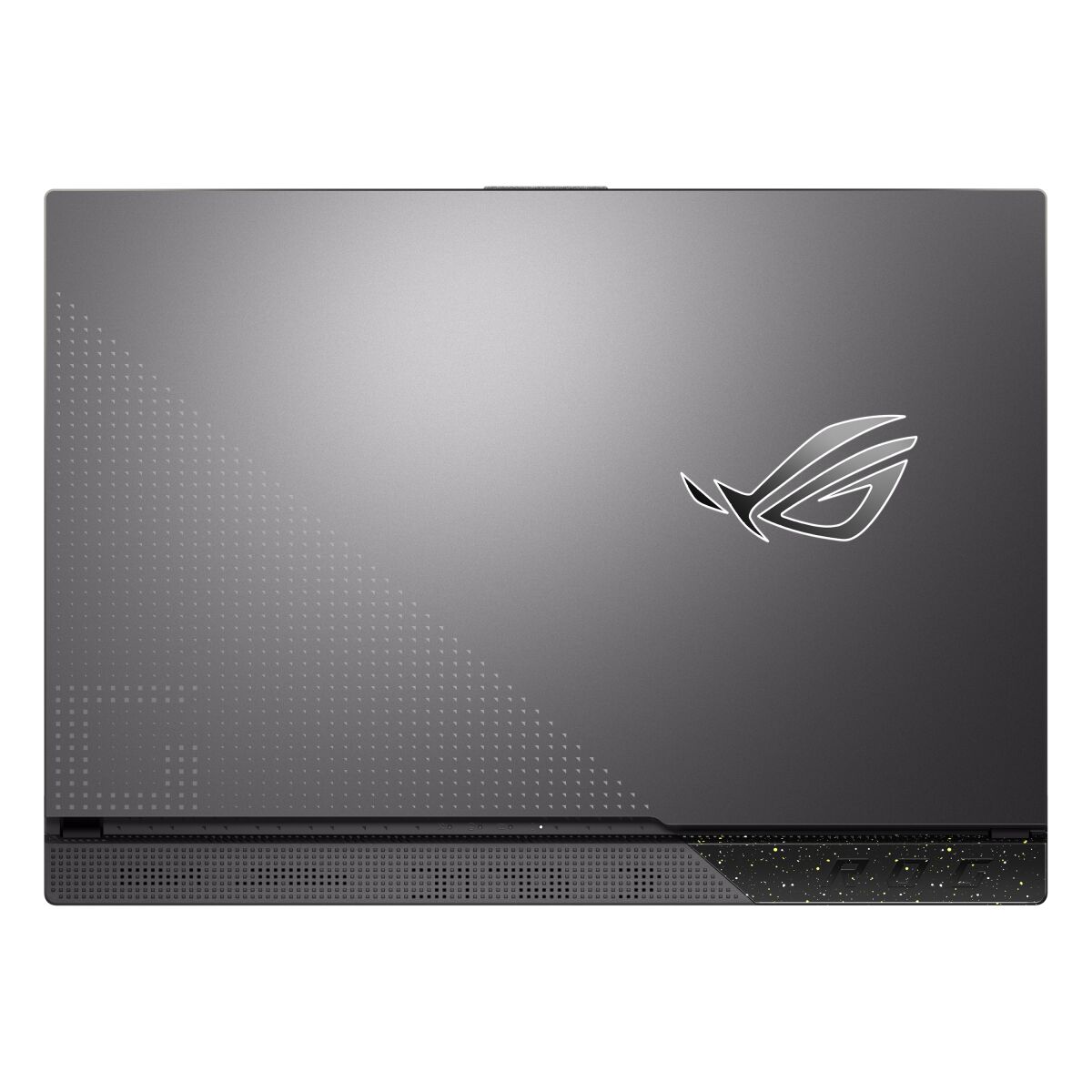
The ASUS ROG Strix G17 G713RW-KH096W gaming laptop features DDR5-SDRAM memory with 2x SO-DIMM slots for RAM upgrades. Maximum supported capacity reaches 32 GB total memory. Compatible upgrade modules operate at 4800 MHz frequency. The SO-DIMM form factor specifications enable memory expansion to enhance system performance on this Republic of Gamers mobile workstation.
Memory Upgrade Specifications
| Specification | Value |
|---|---|
| Memory slots | 2x SO-DIMM |
| Form factor | SO-DIMM |
| Memory type | DDR5-SDRAM |
| Frequency | 4800 MHz |
| Maximum RAM | 32 GB |
| Voltage | 1.1V |
| Number of pins | 262-pin |
| Interface | PC5 |
| PC Speed Rating | PC5-4800 (PC5-38400) |
| Bandwidth | 38.4 GB/s |
| Laptop Release date | 08 January 2022 |
Additional Notes
- The ASUS ROG G713RW-KH096W accepts DDR5 SO-DIMM modules exclusively, preventing the installation of older DDR4 memory due to incompatible notch positioning and voltage requirements.
- The 32 GB maximum capacity constraint stems from chipset or BIOS limitations, restricting configurations to either 2x16 GB matched pairs or asymmetric combinations totaling 32 GB.
- DDR5 modules operating at 4800 MHz fall within JEDEC standard specifications, ensuring broad vendor compatibility without requiring XMP profile activation for rated speeds.
- The dual SO-DIMM slot configuration limits future expansion flexibility, as reaching maximum capacity requires replacing both modules rather than adding to empty slots.
- DDR5 architecture divides each module into two independent 32-bit channels, effectively doubling memory bandwidth compared to equivalent DDR4 configurations at similar clock speeds.
- Upgrading beyond factory-installed memory typically preserves manufacturer warranty coverage, as SO-DIMM installation does not require disassembly of sealed components or void stickers on ROG chassis designs.
- The 4800 MHz frequency represents the baseline DDR5 speed tier, meaning faster modules rated at 5200 MHz or 5600 MHz will downclock to 4800 MHz when installed in this system.
- Mixing modules with different latency timings across the 2 slots forces both modules to operate at the slower timing profile, potentially degrading performance versus matched kit installations.
- DDR5 SO-DIMM modules incorporate onboard voltage regulation, eliminating motherboard-level power delivery concerns that affected DDR4 high-frequency stability in mobile platforms.
- Single-sided DDR5 SO-DIMM modules with 8 memory chips per stick offer better thermal characteristics than double-sided 16-chip designs within confined laptop cooling environments.