ASUS ROG G713RW-KH129W RAM upgrade specifications
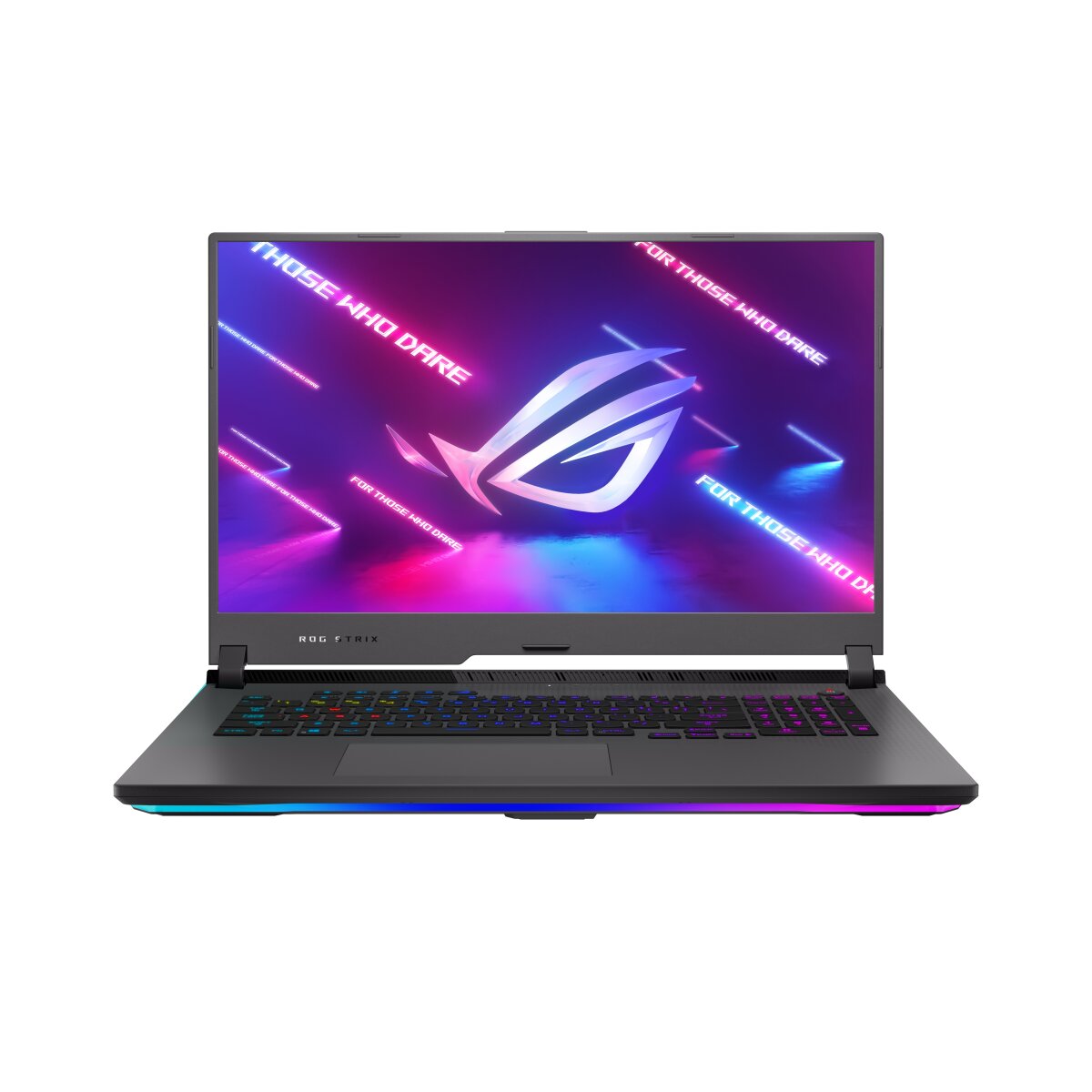




ASUS ROG Strix G17 model G713RW-KH129W features DDR5-SDRAM memory upgrade capabilities with 2x SO-DIMM slots supporting maximum RAM capacity of 32 GB. Memory specifications include DDR5 4800 MHz frequency and SO-DIMM form factor. Compatible upgrades must match DDR5-SDRAM specifications to ensure proper functionality with this gaming laptop configuration.
Memory Upgrade Specifications
| Specification | Value |
|---|---|
| Memory slots | 2x SO-DIMM |
| Form factor | SO-DIMM |
| Memory type | DDR5-SDRAM |
| Frequency | 4800 MHz |
| Maximum RAM | 32 GB |
| Voltage | 1.1V |
| Number of pins | 262-pin |
| Interface | PC5 |
| PC Speed Rating | PC5-4800 (PC5-38400) |
| Bandwidth | 38.4 GB/s |
| Laptop Release date | 31 March 2022 |
Additional Notes
- The ASUS ROG G713RW-KH129W accepts DDR5 SO-DIMM modules exclusively, eliminating backward compatibility with DDR4 or earlier generation memory technologies.
- DDR5 operates at a minimum voltage of 1.1V compared to DDR4's 1.2V, reducing power consumption while generating less thermal output during sustained workloads.
- The 4800 MHz specification represents the JEDEC base frequency for DDR5, with module SPD profiles potentially supporting higher XMP or EXPO speeds if enabled through BIOS.
- SO-DIMM modules require 260-pin configurations for DDR5, differing physically from the 204-pin DDR3 or 260-pin DDR4 form factors through notch repositioning.
- The 32 GB maximum capacity constraint suggests a dual-channel configuration limit of 16 GB per module, restricting future expansion beyond this threshold regardless of available modules.
- DDR5's on-die ECC functionality operates independently of system-level error correction, providing internal data integrity without requiring registered or unbuffered DIMM classification.
- Mixing modules with different densities or timings across the two slots may force the memory controller to operate at the lowest common specifications, potentially underutilizing faster modules.
- Laptop-specific SO-DIMM modules measure 67.6 mm in length compared to desktop DIMM's 133.35 mm, making standard desktop memory physically incompatible despite identical DDR5 technology.
- The absence of quad-channel support through the 2-slot configuration limits peak theoretical bandwidth to approximately 76.8 GB/s at 4800 MHz in dual-channel mode.
- Upgrading requires verification that replacement modules maintain CAS latency ratios proportional to frequency increases to avoid performance degradation from timing mismatches.
- Module height restrictions in laptop chassis typically limit heatspreader profiles to low-profile or bare PCB designs, excluding high-performance desktop-oriented cooling solutions.
- DDR5's dual-channel architecture per module internally doubles the number of memory banks compared to DDR4, improving parallelism for multi-threaded applications without user configuration.