ASUS ROG G713RW-LL015W RAM upgrade specifications




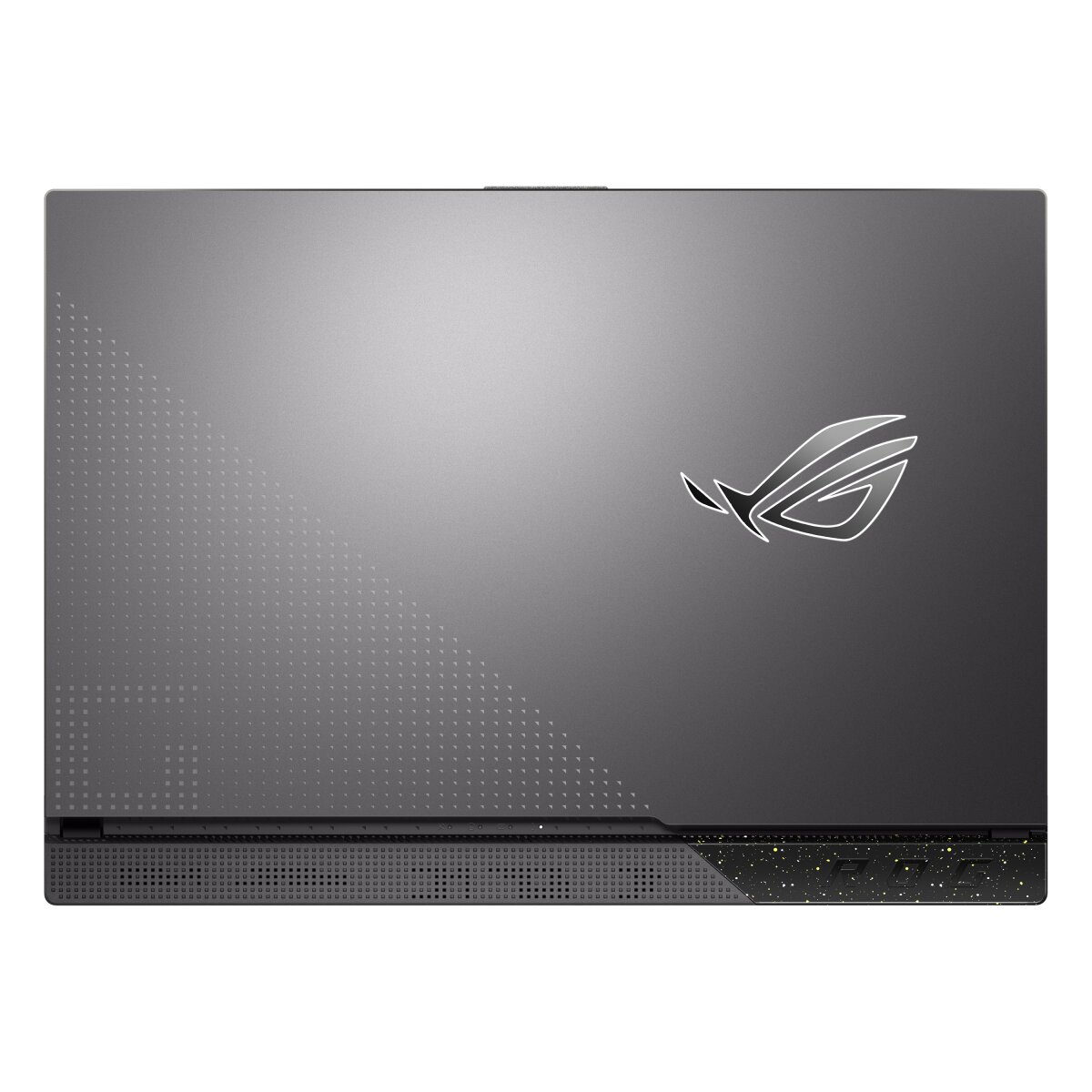
ASUS ROG Strix G17 model G713RW-LL015W supports memory upgrades utilizing DDR5-SDRAM technology. The laptop features two SO-DIMM slots for memory expansion, with maximum supported capacity of 32 GB total RAM. Compatible memory modules operate at 4800 MHz frequency. Specifications allow for flexible RAM upgrade configurations to enhance system performance and multitasking capabilities on this gaming notebook.
Memory Upgrade Specifications
| Specification | Value |
|---|---|
| Memory slots | 2x SO-DIMM |
| Form factor | SO-DIMM |
| Memory type | DDR5-SDRAM |
| Frequency | 4800 MHz |
| Maximum RAM | 32 GB |
| Voltage | 1.1V |
| Number of pins | 262-pin |
| Interface | PC5 |
| PC Speed Rating | PC5-4800 (PC5-38400) |
| Bandwidth | 38.4 GB/s |
| Laptop Release date | 08 January 2022 |
Additional Notes
- The ASUS ROG G713RW-LL015W uses SO-DIMM modules rather than standard DIMM, requiring physically smaller memory sticks with a different notch position that prevents installation of desktop RAM.
- DDR5 modules are electrically incompatible with DDR4 slots due to different operating voltages and pin configurations, eliminating any backward compatibility with older generation memory.
- The 32 GB ceiling reflects chipset or motherboard trace limitations, preventing recognition of higher-capacity modules even if physically installed.
- Populating both slots with 16 GB modules enables dual-channel operation, doubling theoretical memory bandwidth compared to a single module configuration.
- Running modules at speeds exceeding 4800 MHz requires manual timing adjustments in BIOS, as the system will default to JEDEC standard speeds rather than advertised XMP profiles.
- Mismatched module capacities between slots maintain dual-channel mode only up to the capacity of the smaller module, with remaining capacity reverting to slower single-channel operation.
- DDR5's on-die ECC operates independently of system-level error correction, providing internal data integrity without appearing in operating system memory diagnostics.
- The SO-DIMM form factor limits heat dissipation surface area compared to full-size DIMMs, making passive cooling through the chassis bottom cover critical during sustained memory-intensive workloads.
- Mixing modules from different manufacturers can cause POST failures or stability issues due to variations in die revision, rank configuration, or power management IC specifications.
- Accessing memory slots typically requires complete bottom panel removal and possibly battery disconnection, as most gaming laptop designs place SO-DIMM slots beneath the motherboard or require component removal.
- Installing third-party modules may not void warranty under Magnuson-Moss provisions, but physical damage during installation or use of out-of-specification modules remains the owner's liability.
- DDR5's higher baseline latency compared to DDR4 means equivalent-speed DDR4 modules would deliver lower absolute latency despite the newer standard's bandwidth advantages.