ASUS ROG G733PZV-LL131X RAM upgrade specifications
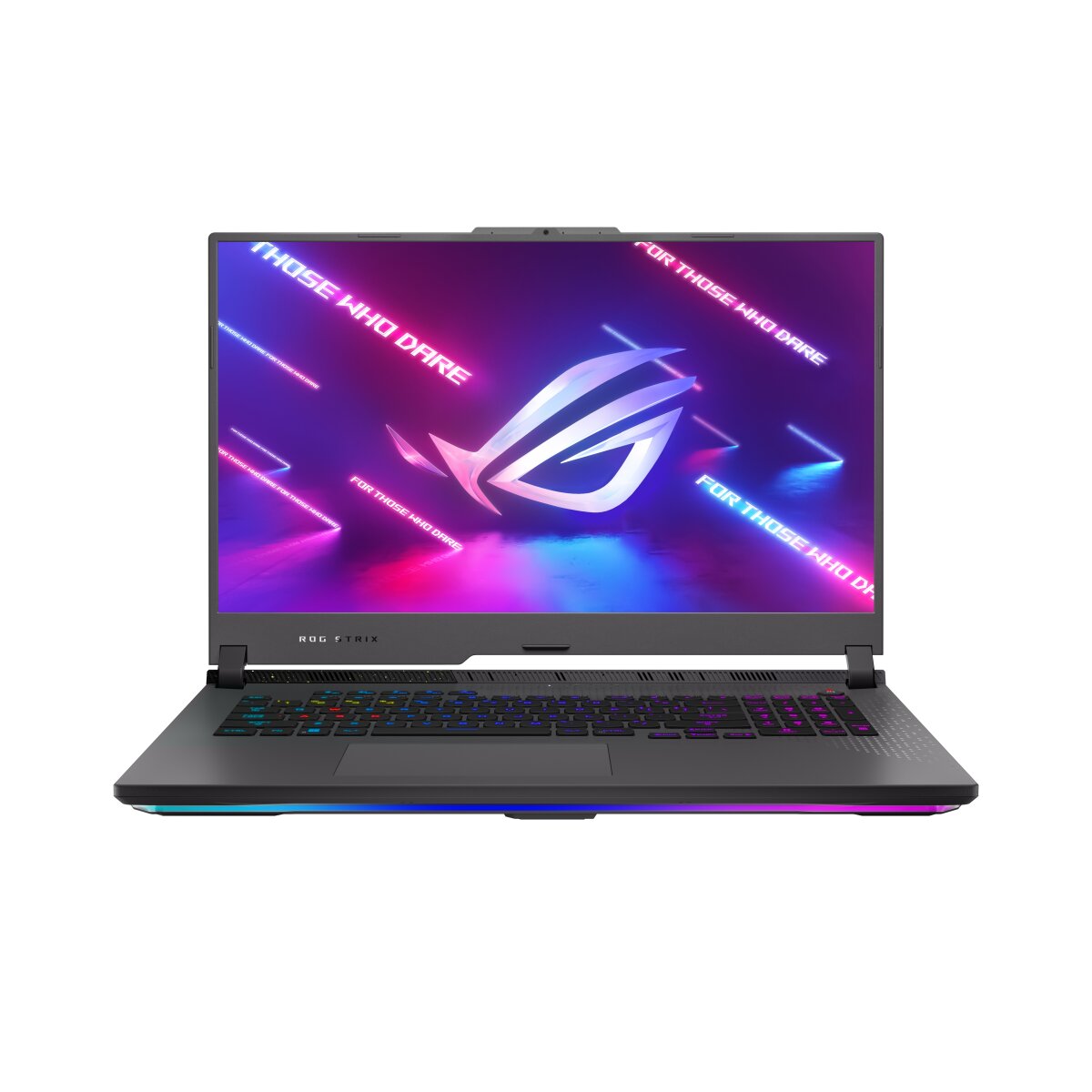

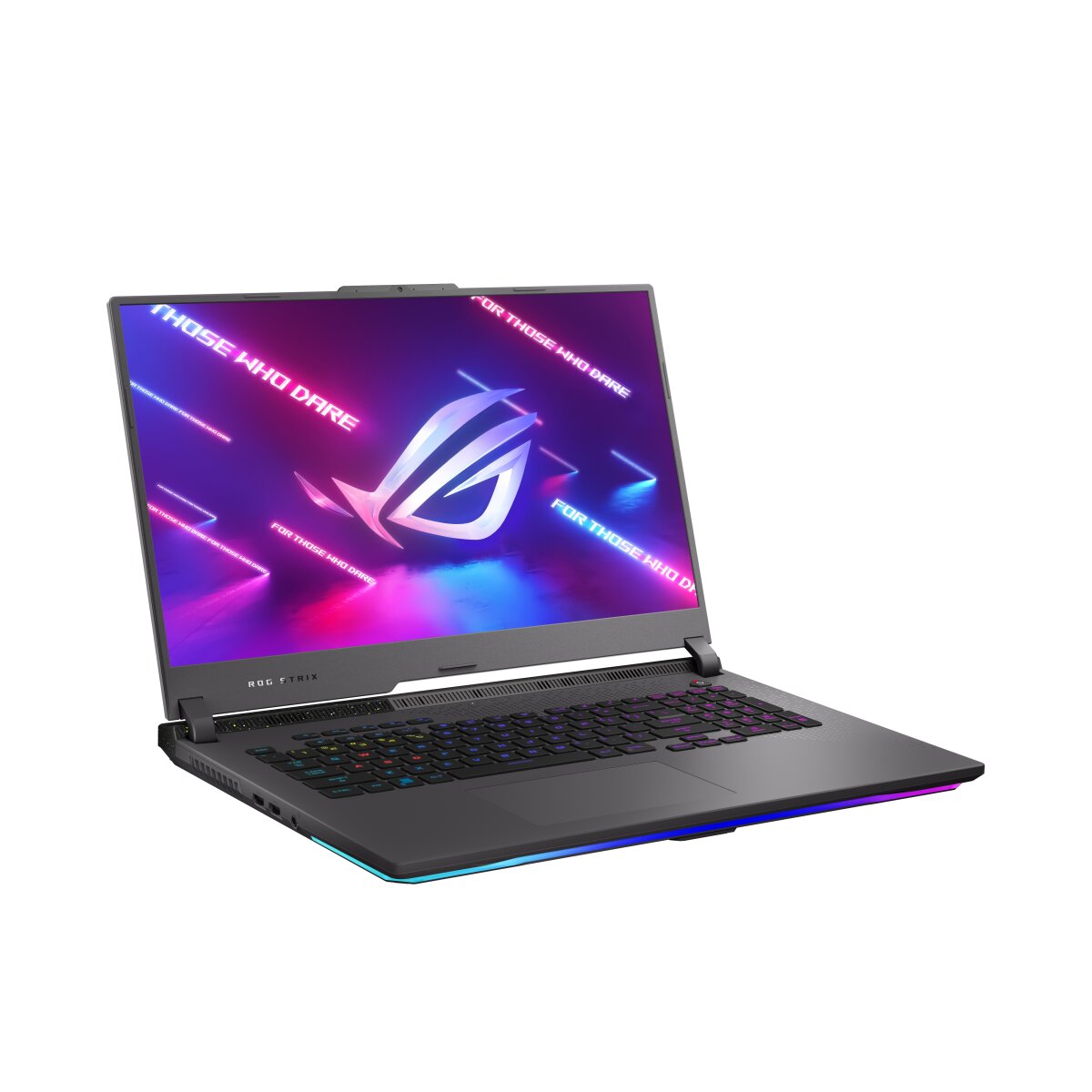

The ASUS ROG Strix G17 G733PZV-LL131X laptop features two SO-DIMM slots supporting DDR5-SDRAM memory upgrades. Maximum RAM capacity reaches 32 GB total, with compatible memory operating at 4800 MHz frequency. Specifications indicate support for DDR5 technology, enabling high-speed memory performance upgrades for enhanced multitasking and gaming capabilities on this gaming laptop model.
Memory Upgrade Specifications
| Specification | Value |
|---|---|
| Memory slots | 2x SO-DIMM |
| Form factor | SO-DIMM |
| Memory type | DDR5-SDRAM |
| Frequency | 4800 MHz |
| Maximum RAM | 32 GB |
| Voltage | 1.1V |
| Number of pins | 262-pin |
| Interface | PC5 |
| PC Speed Rating | PC5-4800 (PC5-38400) |
| Bandwidth | 38.4 GB/s |
Additional Notes
- The ASUS ROG G733PZV-LL131X implements a 32 GB ceiling that prevents dual-channel configurations beyond 2x16 GB modules, limiting headroom for users requiring more than this capacity for professional workloads.
- DDR5 modules rated above 4800 MHz will downclock to this frequency, negating any performance advantage from higher-speed kits and potentially wasting expenditure on premium-binned memory.
- SO-DIMM DDR5 availability remains concentrated in JEDEC standard speeds, with extreme performance profiles (XMP/EXPO) offering negligible compatibility with mobile platforms that lack corresponding BIOS support.
- The 2-slot configuration requires immediate planning for final capacity needs, as incremental upgrades force replacement rather than expansion, effectively doubling the cost of staged memory increases.
- DDR5 operating voltage and thermal characteristics generate more heat than DDR4 predecessors, potentially stressing cooling solutions in sustained memory-intensive operations within compact chassis designs.
- Single-module operation sacrifices half the available memory bandwidth through loss of dual-channel interleaving, creating disproportionate performance penalties in integrated graphics workloads and memory-bound applications.
- Non-standard JEDEC timings or voltages in aftermarket modules may trigger firmware compatibility blocks, resulting in boot failures or forced reversion to conservative fallback settings that eliminate performance gains.
- Warranty preservation depends on using modules within manufacturer-specified electrical parameters, as overvoltage or non-qualified configurations provide grounds for service denial despite physical installation success.
- Memory latency at 4800 MHz DDR5 approximates 4000 MHz DDR4 in absolute nanoseconds despite higher bandwidth, creating scenarios where raw transfer rate improvements fail to translate into perceptible application responsiveness.
- SO-DIMM mechanical retention clips experience higher failure rates than desktop DIMM mechanisms under repeated installation cycles, recommending minimal physical disturbance once optimal configuration is achieved.