ASUS ROG G814JIR-N6059W RAM upgrade specifications




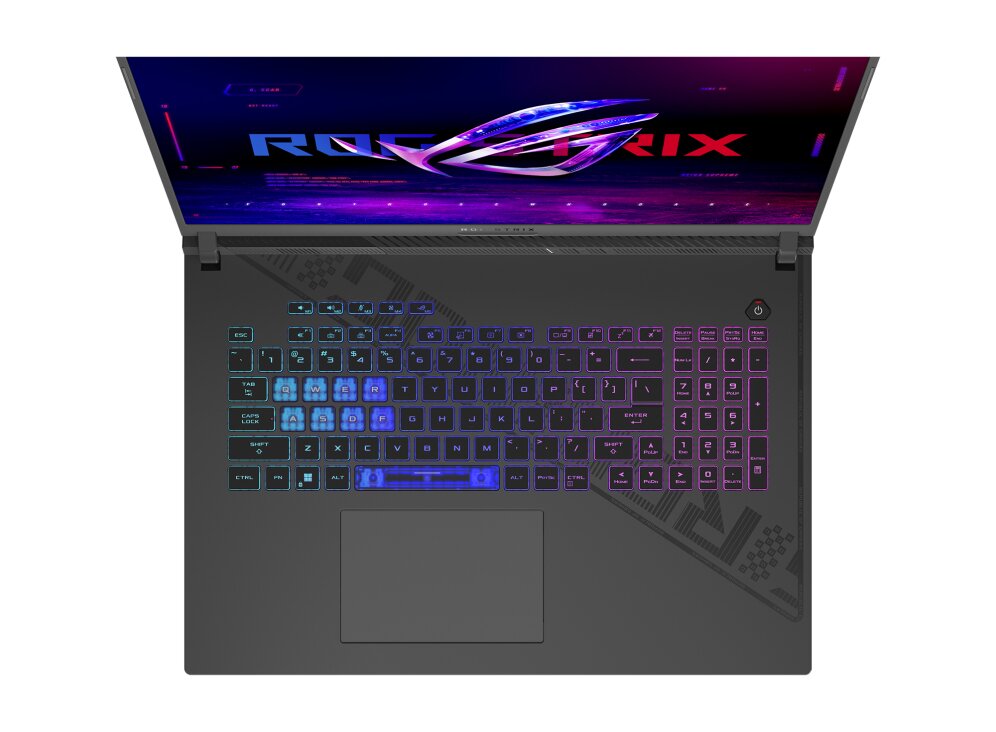
ASUS ROG Strix G18 G814JIR-N6059W RAM upgrade specifications indicate DDR5-SDRAM memory compatibility with 2x SO-DIMM slots supporting maximum capacity of 32 GB total. Memory operates at 5600 MHz frequency utilizing SO-DIMM form factor. Upgrade specifications define compatible memory configuration and maximum RAM capacity for laptop system expansion.
Memory Upgrade Specifications
| Specification | Value |
|---|---|
| Memory slots | 2x SO-DIMM |
| Form factor | SO-DIMM |
| Memory type | DDR5-SDRAM |
| Frequency | 5600 MHz |
| Maximum RAM | 32 GB |
| Voltage | 1.1V |
| Number of pins | 262-pin |
| Interface | PC5 |
| PC Speed Rating | PC5-5600 (PC5-44800) |
| Bandwidth | 44.8 GB/s |
Additional Notes
- The ASUS ROG G814JIR-N6059W implements a 32 GB ceiling that prevents installation of individual modules exceeding 16 GB capacity, regardless of whether higher-density SO-DIMMs become available.
- DDR5-5600 modules rated at lower speeds will function but automatically downclock to match the system's validated frequency, wasting the cost premium of higher-rated kits.
- Dual SO-DIMM configuration requires matched pairs for optimal dual-channel operation, as mismatched capacities force the memory controller into asymmetric or single-channel mode with measurable bandwidth penalties.
- DDR5 SO-DIMM modules operate at 1.1V compared to DDR4's 1.2V standard, making cross-generation modules physically incompatible despite identical 260-pin SO-DIMM connectors.
- The 5600 MHz specification indicates JEDEC standard support rather than XMP/EXPO overclocking profiles, meaning aftermarket modules advertising higher frequencies may not achieve rated speeds without BIOS-level support.
- SO-DIMM installation in ROG chassis typically requires complete bottom panel removal rather than dedicated access doors, necessitating careful cable and thermal pad management during reinstallation.
- Mixing modules from different manufacturers or production batches introduces timing incompatibilities that may trigger POST failures or force the system to operate at conservative JEDEC fallback speeds below 5600 MHz.
- Warranty preservation requires non-destructive upgrades, as SO-DIMM slots lack the tamper-evident seals found on soldered configurations, making user-performed memory replacement a warranty-safe modification path.
- The 2-slot limitation prevents incremental upgrades beyond the initial configuration, as moving from 16 GB to 32 GB requires complete replacement of both modules rather than adding to existing capacity.