ASUS ROG G814JIR-N6060W RAM upgrade specifications




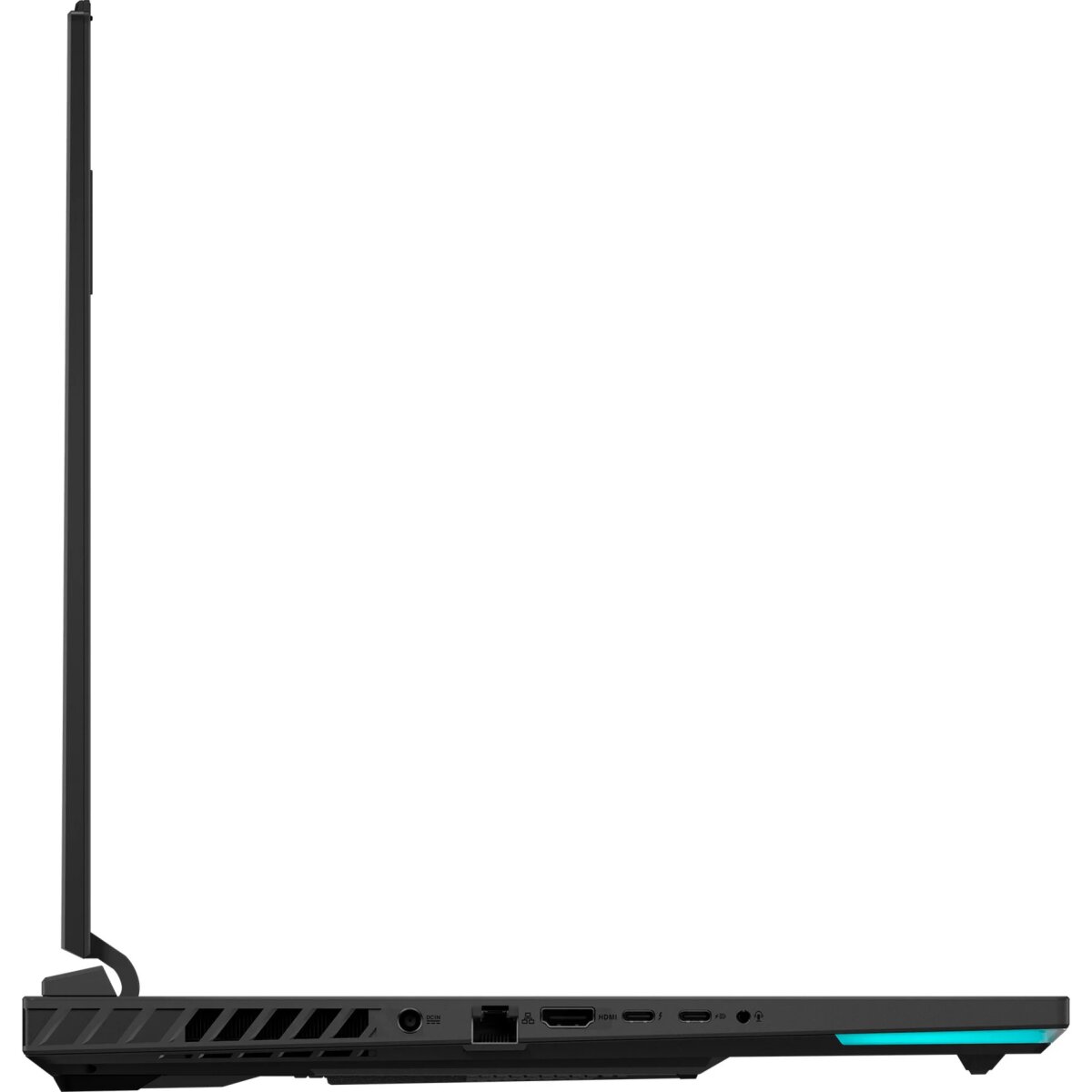
ASUS ROG Strix G18 model G814JIR-N6060W features DDR5-SDRAM memory upgrade specifications. The laptop contains 2x SO-DIMM slots for RAM expansion, supporting maximum capacity of 32 GB total memory. Compatible upgrades utilize DDR5 technology operating at 5600 MHz frequency. SO-DIMM form factor specifications ensure compatibility with standard laptop memory modules. These specifications define the memory upgrade parameters available for this gaming laptop model.
Memory Upgrade Specifications
| Specification | Value |
|---|---|
| Memory slots | 2x SO-DIMM |
| Form factor | SO-DIMM |
| Memory type | DDR5-SDRAM |
| Frequency | 5600 MHz |
| Maximum RAM | 32 GB |
| Voltage | 1.1V |
| Number of pins | 262-pin |
| Interface | PC5 |
| PC Speed Rating | PC5-5600 (PC5-44800) |
| Bandwidth | 44.8 GB/s |
Additional Notes
- The absence of soldered memory on the ASUS G814JIR-N6060W motherboard allows for symmetrical dual-channel configurations by utilizing both physical slots.
- The maximum capacity threshold indicates a BIOS-level or hardware limitation that prevents the use of 24 GB or 32 GB individual modules for higher total density.
- Installation of memory modules exceeding the rated 5600 MHz frequency will result in automatic downclocking to remain within the processor integrated memory controller stability parameters.
- Upgrading requires standard small outline dual in-line memory modules, ensuring compatibility with the specialized internal spatial clearances of high-performance gaming laptop chassis.
- Dual-slot occupancy is necessary to realize the full potential of the DDR5 sub-channel architecture, which significantly improves data throughput in bandwidth-intensive rendering tasks.
- Accessing the memory slots necessitates the removal of the bottom panel, which requires careful handling of internal ribbon cables to maintain the integrity of the factory warranty.
- The DDR5 standard operates at lower voltages than previous generations, reducing heat generation within the localized vicinity of the memory slots during sustained peak loads.