ASUS ROG G814JV-N6012W RAM upgrade specifications
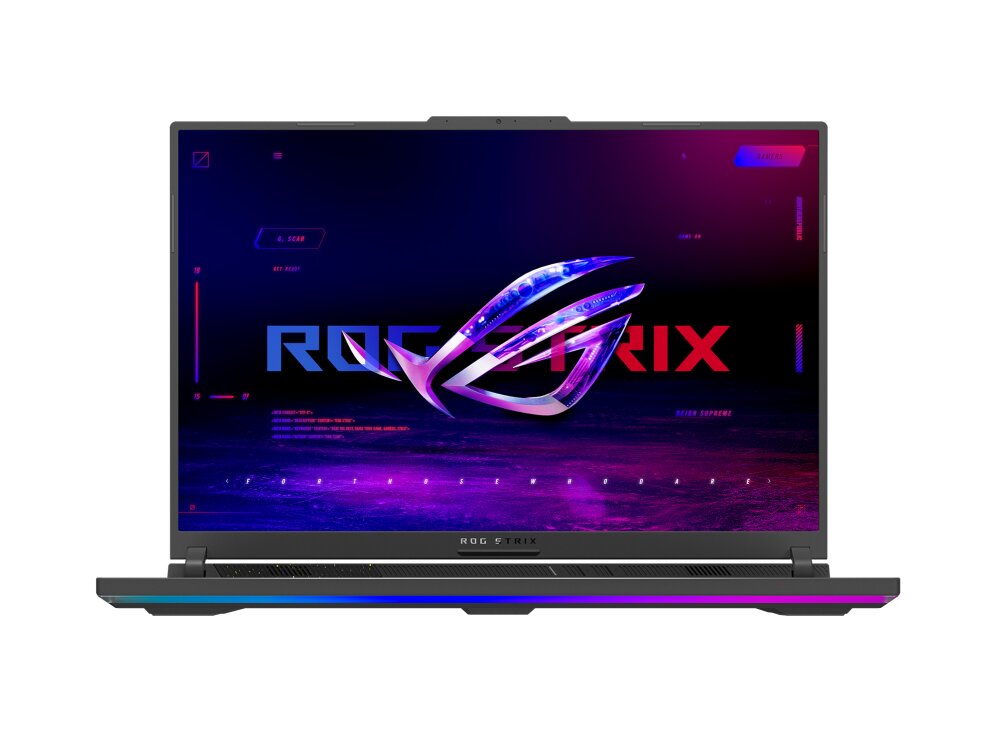


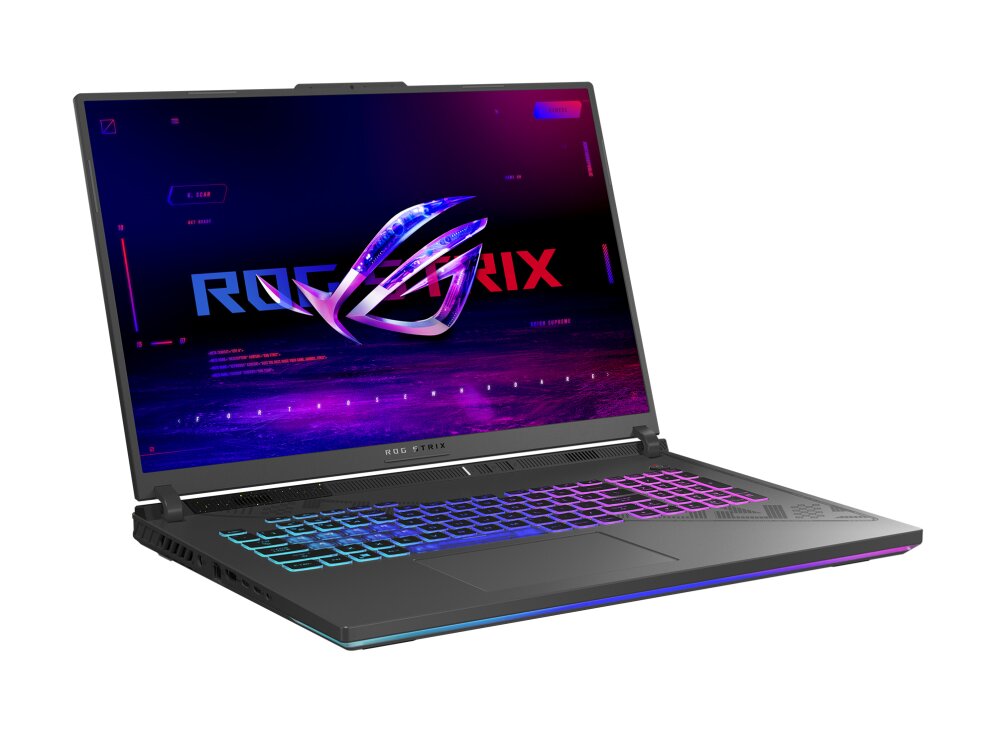
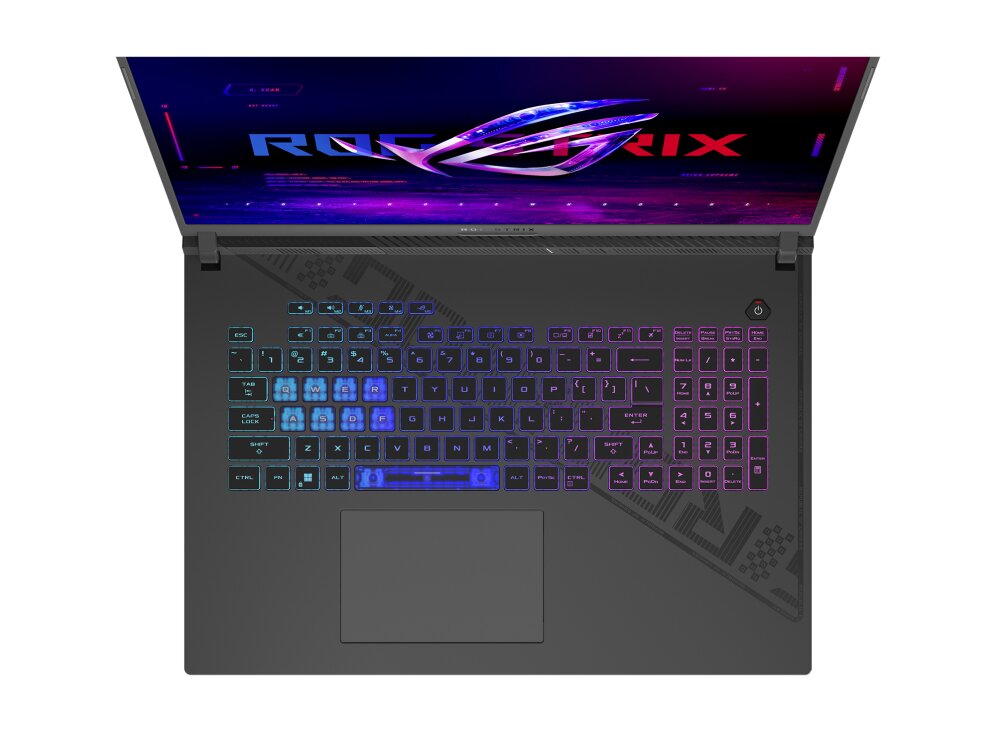
ASUS ROG Strix G18 G814JV-N6012W memory upgrade specifications include two SO-DIMM slots supporting DDR5-SDRAM modules at 4800 MHz frequency. Maximum RAM capacity reaches 32 GB total. Compatible memory modules require SO-DIMM form factor specifications. Upgrade slots accommodate DDR5 technology for enhanced performance. RAM specifications detail compatible memory configurations and maximum capacity supported by this gaming laptop model.
Memory Upgrade Specifications
| Specification | Value |
|---|---|
| Memory slots | 2x SO-DIMM |
| Form factor | SO-DIMM |
| Memory type | DDR5-SDRAM |
| Frequency | 4800 MHz |
| Maximum RAM | 32 GB |
| Voltage | 1.1V |
| Number of pins | 262-pin |
| Interface | PC5 |
| PC Speed Rating | PC5-4800 (PC5-38400) |
| Bandwidth | 38.4 GB/s |
| Laptop Release date | 18 April 2023 |
Additional Notes
- The ASUS ROG G814JV-N6012W implements a 32 GB memory ceiling that prevents future expansion beyond this threshold regardless of individual module capacities.
- DDR5-SDRAM architecture eliminates backward compatibility with DDR4 modules, requiring complete replacement of existing memory during upgrades rather than mixing generations.
- The 4800 MHz frequency specification represents the validated speed ceiling for this platform, with higher-rated modules automatically downclocking to match this limit.
- SO-DIMM physical constraints restrict module height and contact pin configuration, excluding standard desktop DIMM formats from installation.
- Dual-slot configuration enables symmetric memory channel population when using matched capacity modules, optimizing bandwidth utilization for integrated memory controllers.
- DDR5 voltage regulation occurs on-module rather than motherboard-based, introducing per-DIMM power management independent of platform-level controls.
- The 32 GB maximum typically manifests as platform chipset limitation rather than slot physical restriction, preventing recognition of higher-capacity configurations.
- Error correction features vary between DDR5 consumer and server modules, with on-die ECC becoming standard while registered DIMM protection remains enterprise-specific.
- Mixing different capacity modules across the 2 slots remains technically functional but forces single-channel operation on capacity exceeding the smaller module.
- Thermal dissipation requirements increase with DDR5 compared to DDR4, making heat spreader design relevant for sustained high-frequency operation in compact chassis.
- JEDEC-standard DDR5-4800 modules ensure broadest compatibility, while XMP or EXPO profile modules require BIOS support for advertised speeds beyond base specification.
- Non-removable base memory configurations, if present, occupy slots and reduce available expansion positions while contributing toward the 32 GB limit.