ASUS ROG G814JV-N6055 RAM upgrade specifications
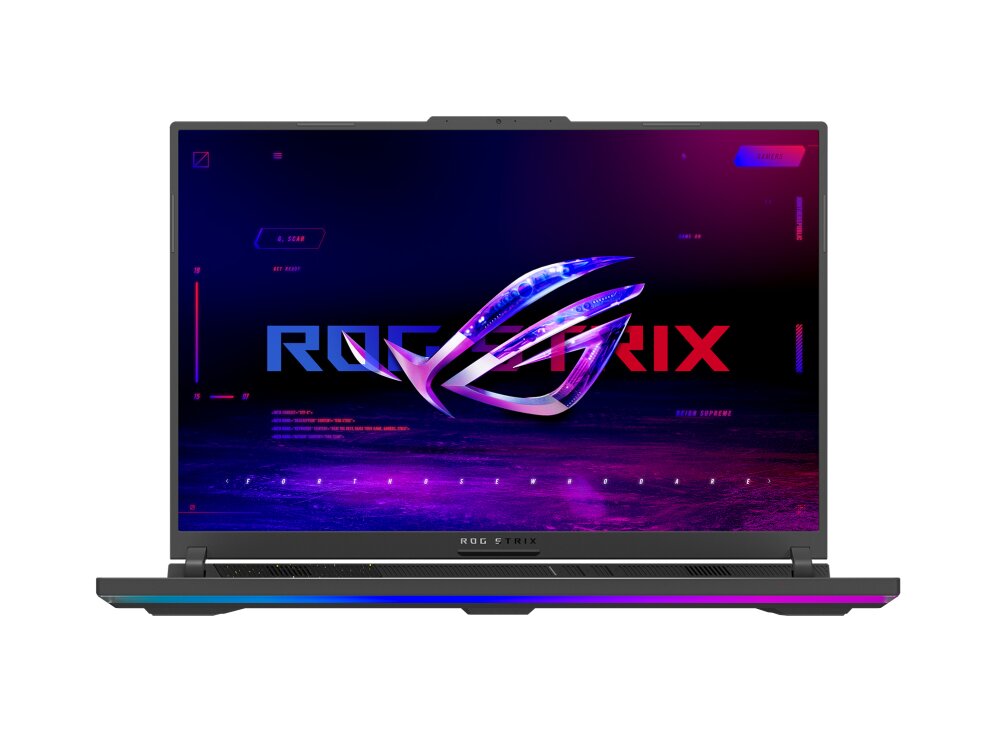

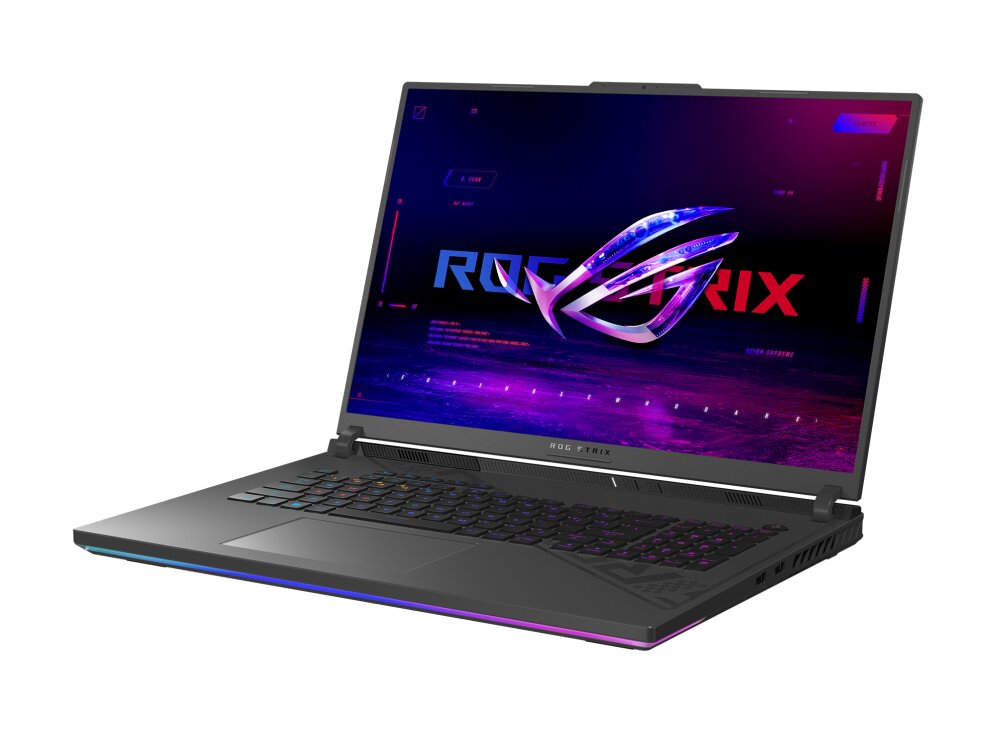
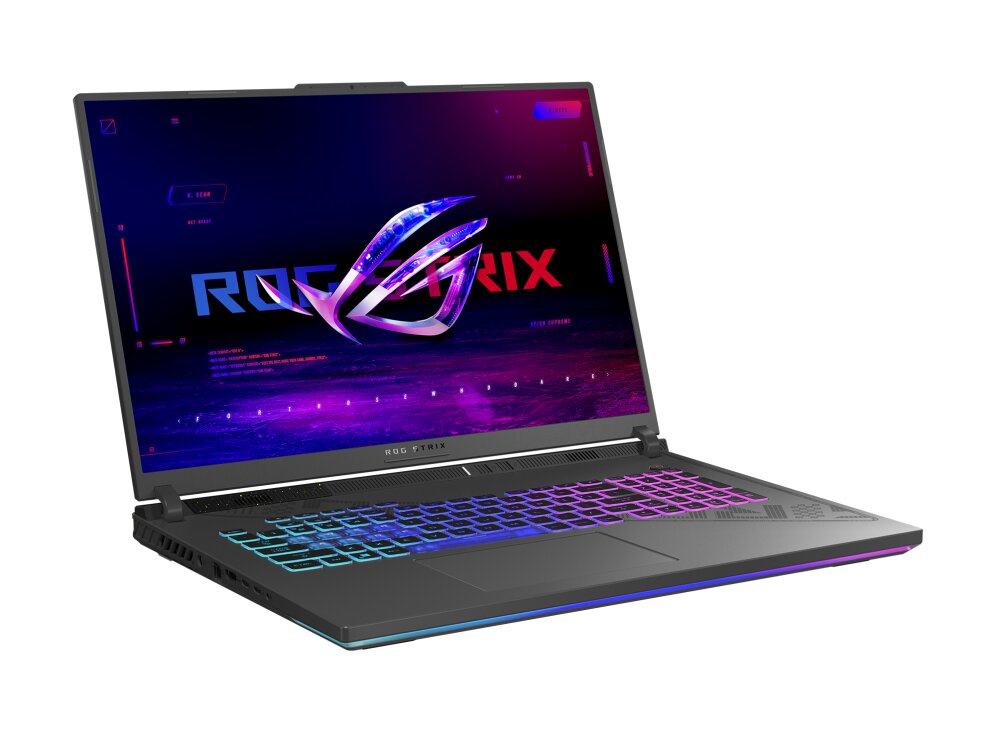
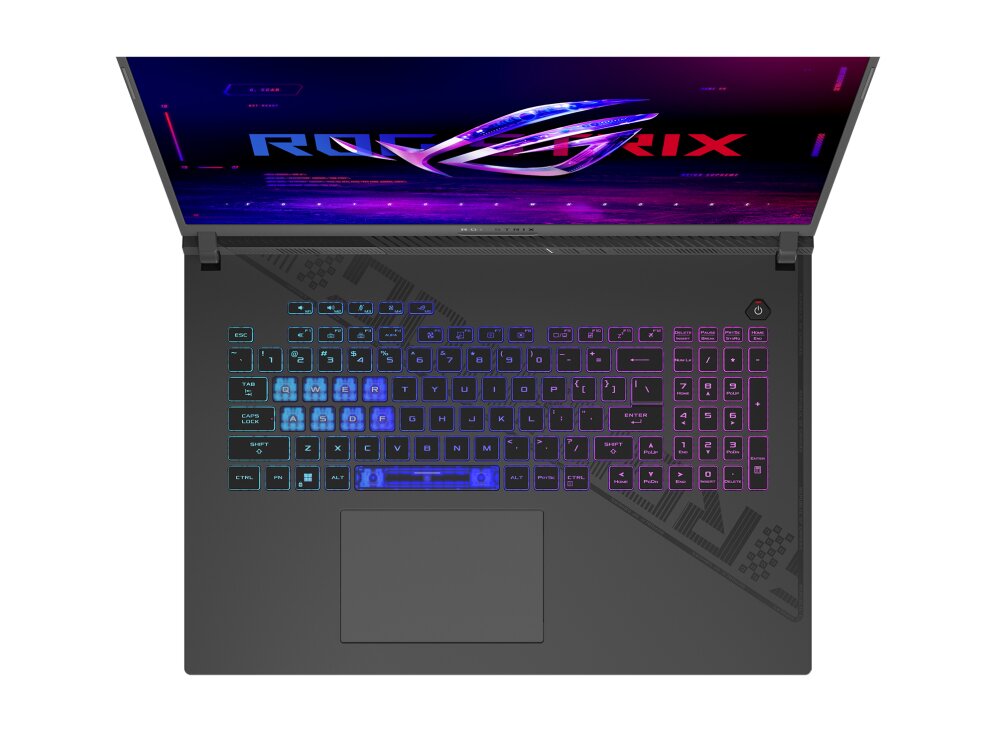
ASUS ROG Strix G18 G814JV-N6055 RAM upgrade specifications include DDR5-SDRAM memory compatible with 2x SO-DIMM slots. Maximum supported capacity reaches 32 GB total RAM. Memory operates at 4800 MHz frequency with SO-DIMM form factor. Upgrade specifications enable enhanced multitasking and performance capabilities for gaming and intensive applications on the G814JV-N6055 laptop model.
Memory Upgrade Specifications
| Specification | Value |
|---|---|
| Memory slots | 2x SO-DIMM |
| Form factor | SO-DIMM |
| Memory type | DDR5-SDRAM |
| Frequency | 4800 MHz |
| Maximum RAM | 32 GB |
| Voltage | 1.1V |
| Number of pins | 262-pin |
| Interface | PC5 |
| PC Speed Rating | PC5-4800 (PC5-38400) |
| Bandwidth | 38.4 GB/s |
Additional Notes
- The ASUS ROG G814JV-N6055 imposes a 32 GB ceiling due to chipset or BIOS memory controller limitations, preventing recognition of higher-capacity modules even when physically compatible.
- DDR5-4800 represents JEDEC baseline specification rather than performance-optimized XMP profiles, indicating conservative factory timing configuration prioritizing stability over latency reduction.
- SO-DIMM form factor restricts aftermarket module availability compared to desktop DIMM equivalents, typically reducing vendor options and increasing per-gigabyte cost at identical specifications.
- Dual-channel architecture requires matched module pairs for optimal bandwidth utilization, as asymmetric configurations force single-channel operation and halve theoretical memory throughput.
- Physical slot accessibility depends on bottom panel serviceability design, with some implementations requiring full disassembly that may void seal-based warranty indicators.
- DDR5 voltage requirements differ from DDR4 predecessors, making cross-generation module installation physically impossible despite SO-DIMM connector similarity.
- Mixing modules with different latency timings forces system-wide adoption of slowest common denominator values, negating speed advantages of premium modules.
- Native 4800 MHz operation occurs without BIOS intervention, whereas higher-frequency modules require manual profile activation unavailable in locked OEM firmware implementations.
- Heat dissipation considerations affect sustained performance under memory-intensive workloads, as compact laptop chassis provide limited passive cooling compared to tower configurations.
- Upgrading to maximum capacity while maintaining dual-channel operation necessitates 2x16 GB configuration, eliminating intermediate expansion paths between factory specification and ceiling threshold.