ASUS ROG G814JV-N6157W RAM upgrade specifications

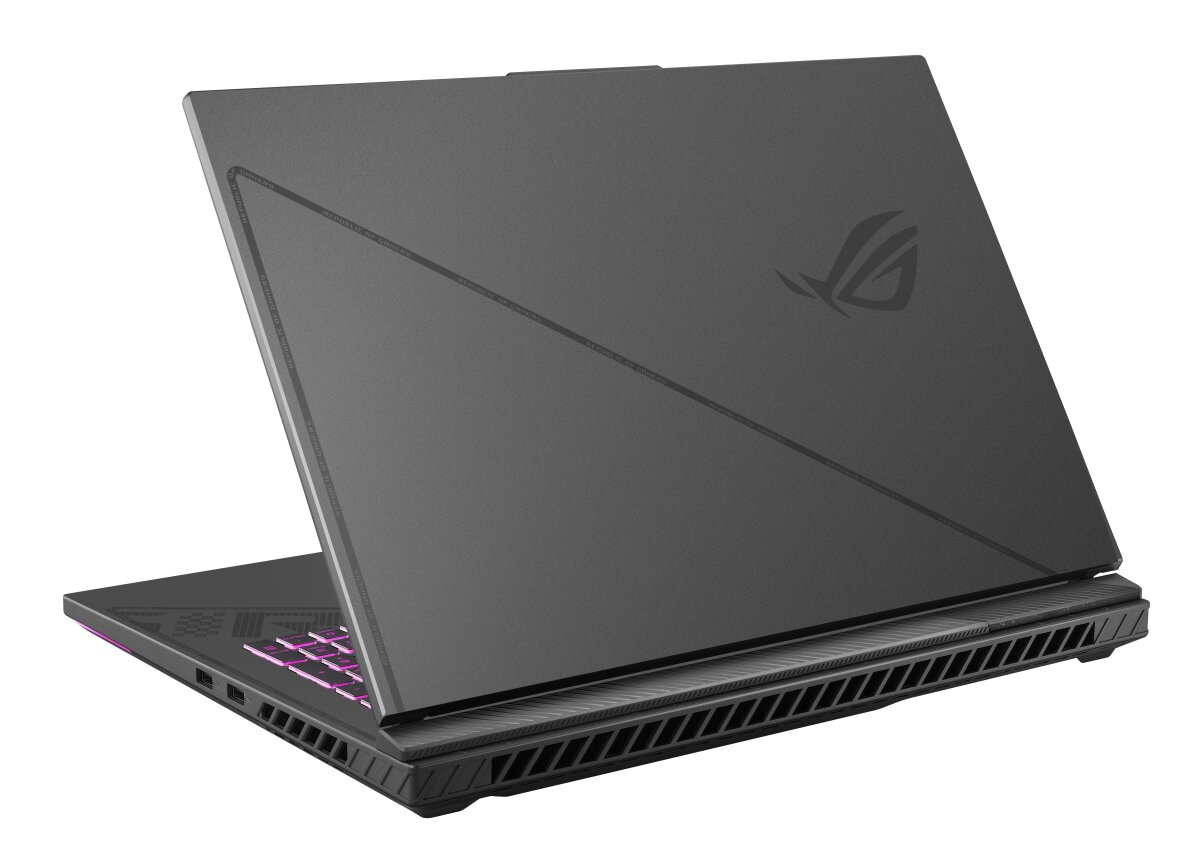


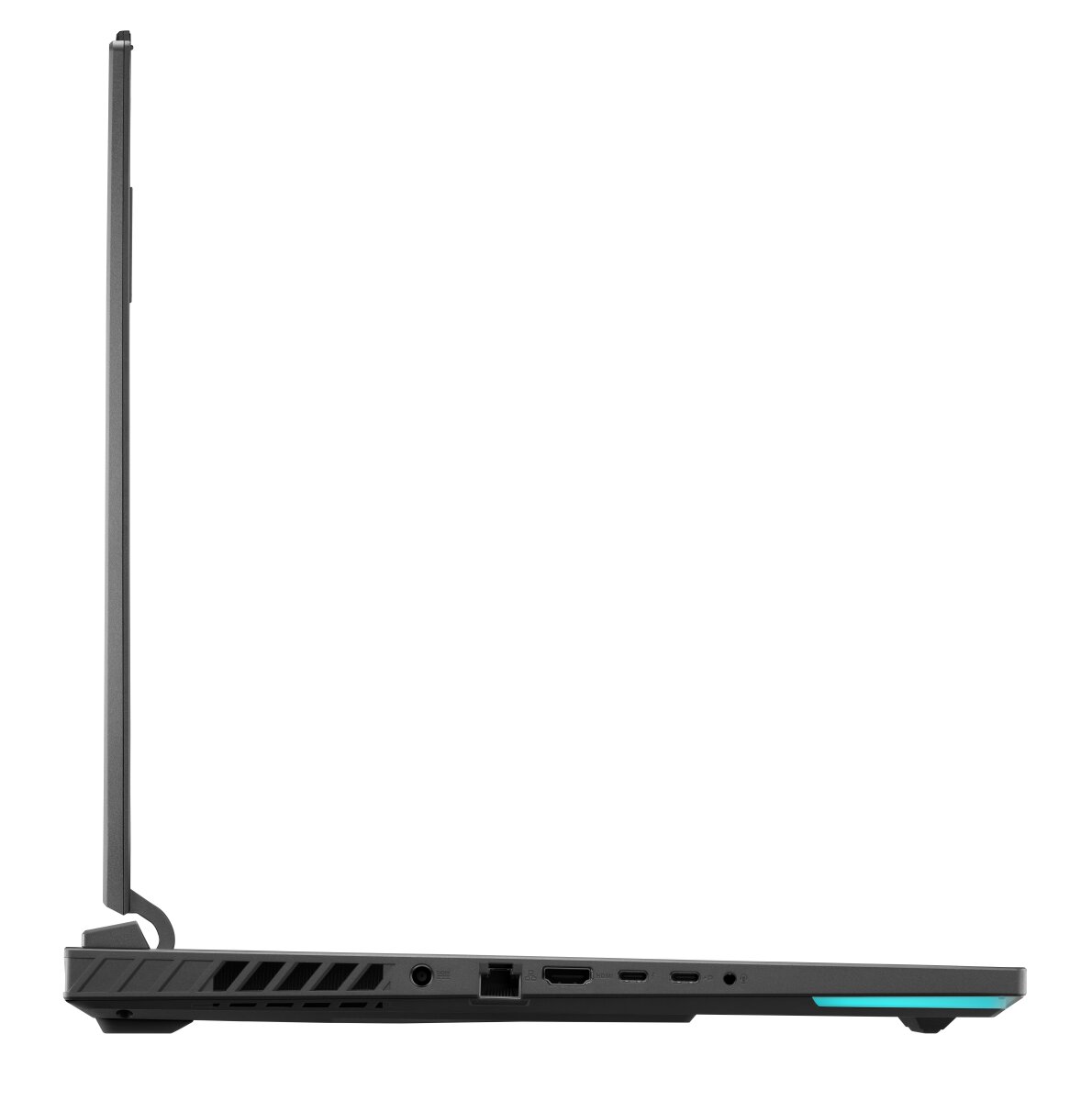
ASUS ROG Strix G18 model G814JV-N6157W features two SO-DIMM slots supporting DDR5-SDRAM memory upgrades. Maximum RAM capacity reaches 32 GB total. Compatible memory operates at 4800 MHz frequency. Upgrade specifications indicate SO-DIMM form factor for memory module installation. Current configurations support expansion through dedicated memory slots for enhanced system performance and multitasking capabilities.
Memory Upgrade Specifications
| Specification | Value |
|---|---|
| Memory slots | 2x SO-DIMM |
| Form factor | SO-DIMM |
| Memory type | DDR5-SDRAM |
| Frequency | 4800 MHz |
| Maximum RAM | 32 GB |
| Voltage | 1.1V |
| Number of pins | 262-pin |
| Interface | PC5 |
| PC Speed Rating | PC5-4800 (PC5-38400) |
| Bandwidth | 38.4 GB/s |
Additional Notes
- The presence of 2 SO-DIMM slots allows for dual-channel memory architecture which doubles the potential peak data transfer bandwidth compared to single-channel configurations.
- The 32 GB maximum capacity limitation suggests the motherboard firmware or processor architecture prevents the utilization of 32 GB or 48 GB high-density modules in each slot.
- Upgrading the ASUS ROG G814JV-N6157W beyond the factory configuration requires matching the 4800 MHz frequency to avoid downclocking or system instability during high-load gaming sessions.
- Physical access to the memory slots involves removing the bottom chassis panel which may expose sensitive internal heat pipes and liquid metal thermal interface material.
- The DDR5 standard utilizes on-module Power Management Integrated Circuits which shifts voltage regulation from the motherboard to the RAM sticks for localized power efficiency.
- Each memory slot supports a maximum of 16 GB per module to reach the stated total capacity limit.
- Replacing both existing modules is necessary if the factory setup occupies both slots and a capacity increase is desired since no additional vacant headers exist.
- The integrated On-die ECC feature of the DDR5 modules provides internal bit-flip correction without requiring a specialized workstation-grade processor.