ASUS ROG G814JV-N6180W RAM upgrade specifications




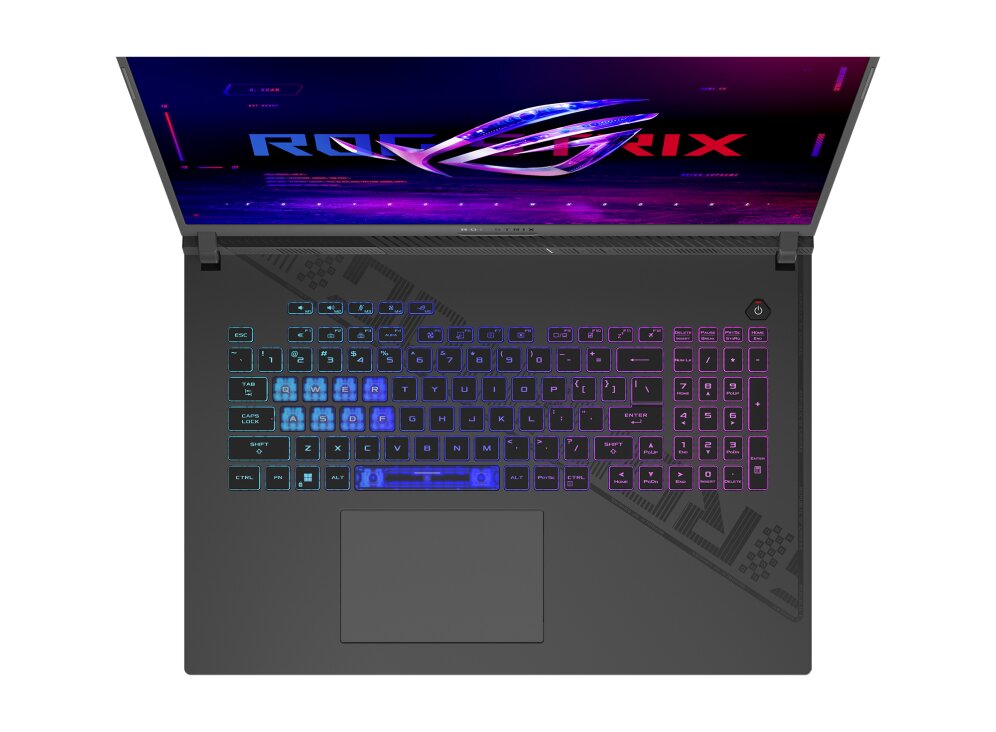
The ASUS ROG Strix G18 G814JV-N6180W features DDR5-SDRAM memory upgrade specifications with two SO-DIMM slots supporting maximum RAM capacity of 32 GB. Compatible memory modules operate at 4800 MHz frequency. The laptop accepts SO-DIMM form factor memory upgrades, providing expandable storage for enhanced multitasking and performance capabilities within the specified technical parameters.
Memory Upgrade Specifications
| Specification | Value |
|---|---|
| Memory slots | 2x SO-DIMM |
| Form factor | SO-DIMM |
| Memory type | DDR5-SDRAM |
| Frequency | 4800 MHz |
| Maximum RAM | 32 GB |
| Voltage | 1.1V |
| Number of pins | 262-pin |
| Interface | PC5 |
| PC Speed Rating | PC5-4800 (PC5-38400) |
| Bandwidth | 38.4 GB/s |
Additional Notes
- The ASUS ROG G814JV-N6180W employs DDR5 SO-DIMM modules, which are not backward compatible with DDR4 systems and require voltage-regulated modules specific to the DDR5 standard at 1.1V.
- The 4800 MHz frequency represents the JEDEC baseline specification for DDR5, meaning aftermarket modules rated at higher frequencies may downclock to this speed if the system firmware does not support XMP 3.0 or comparable profiles.
- The 32 GB ceiling indicates a chipset or BIOS limitation that prevents recognition of higher-capacity modules, such as 32 GB SO-DIMMs, even if physically installed.
- Populating both SO-DIMM slots enables dual-channel memory operation, which doubles the effective bandwidth compared to single-channel configurations and reduces latency-sensitive workload bottlenecks.
- Installing mismatched module capacities, such as 8 GB paired with 16 GB, forces the controller into flex mode, where only the overlapping capacity operates in dual-channel while the remainder runs in single-channel.
- DDR5 SO-DIMM modules integrate onboard power management ICs, making them physically incompatible with DDR4 slots due to differences in notch positioning and pin count.
- Thermal performance of DDR5 modules may degrade under sustained workloads, as higher frequencies and onboard voltage regulation generate more heat than DDR4 equivalents in confined laptop chassis.
- Warranty preservation typically requires using modules that match or exceed the factory-installed specifications, as deviations in voltage or timing profiles can void coverage if damage occurs during installation or operation.
- The SO-DIMM form factor restricts airflow around memory slots compared to desktop DIMM layouts, making heat spreaders on aftermarket modules less effective and potentially interfering with chassis closure.
- Systems populated with 2 modules may experience marginally higher latency than single-module configurations due to increased electrical load on the memory controller, though bandwidth gains offset this penalty in multi-threaded applications.