ASUS ROG G814JVR-IS96 RAM upgrade specifications
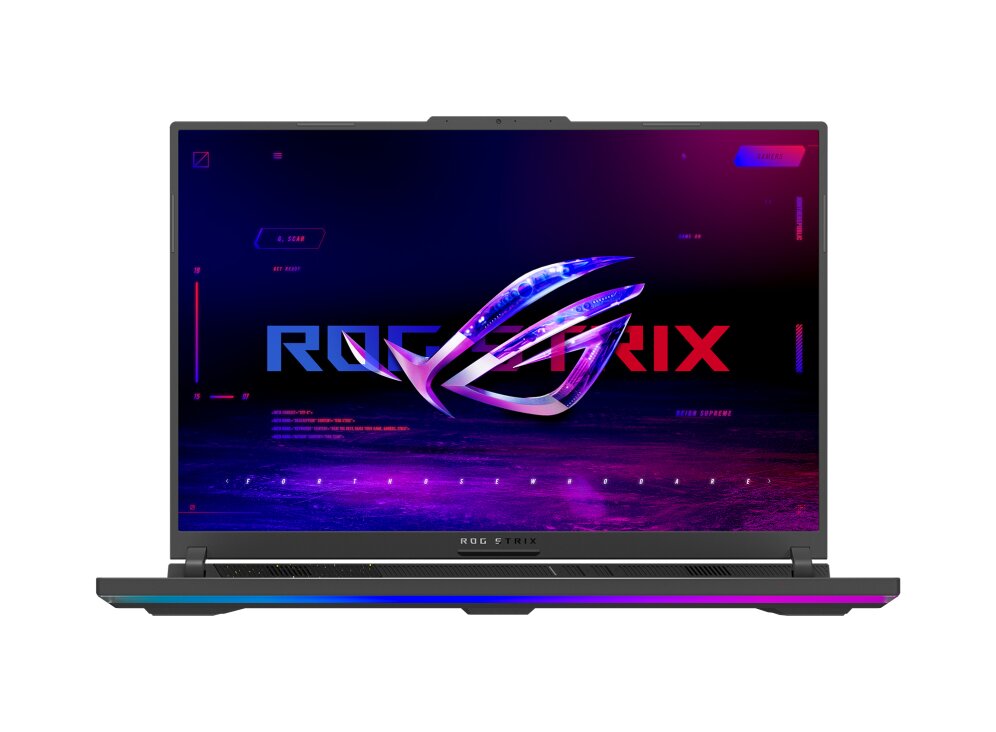



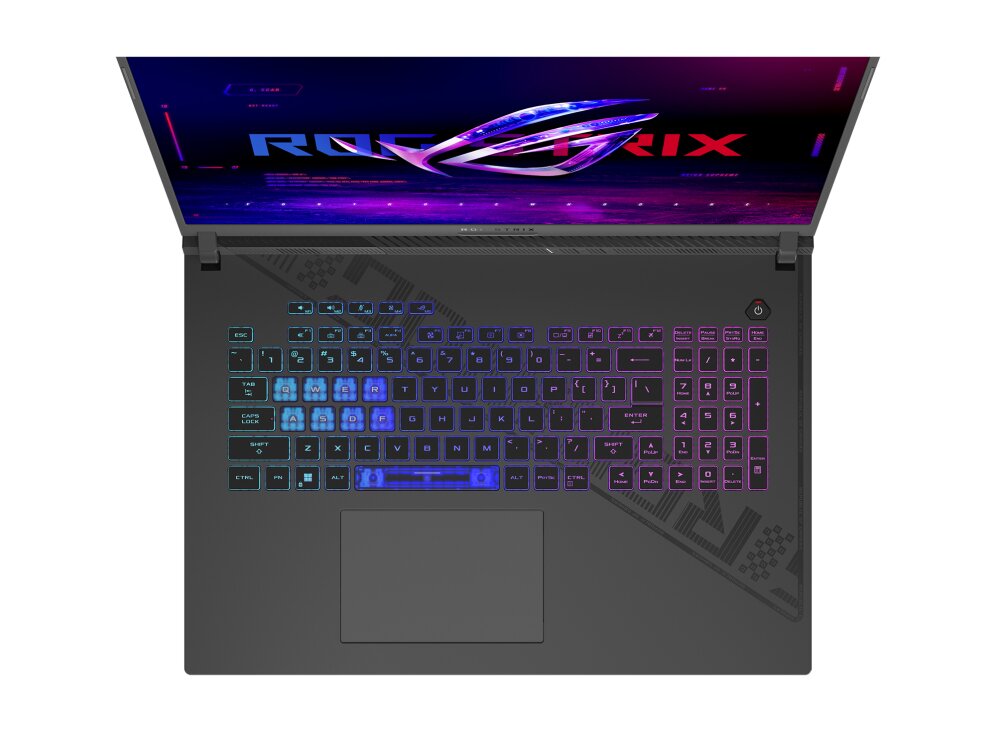
ASUS ROG Strix G18 G814JVR-IS96 laptop features two SO-DIMM memory slots supporting DDR5-SDRAM upgrade capacity. Maximum RAM configuration reaches 32 GB total. Compatible memory operates at 5600 MHz frequency. Specifications indicate SO-DIMM form factor for upgrade modules. Memory upgrade capacity of 16 GB per slot supports gaming and multitasking performance requirements. DDR5 specifications provide enhanced bandwidth compatibility with Intel Core processors. RAM upgrade slots accommodate standard SO-DIMM modules meeting DDR5-5600 specifications for ROG Strix G18 series configuration.
Memory Upgrade Specifications
| Specification | Value |
|---|---|
| Memory slots | 2x SO-DIMM |
| Form factor | SO-DIMM |
| Memory type | DDR5-SDRAM |
| Frequency | 5600 MHz |
| Maximum RAM | 32 GB |
| Voltage | 1.1V |
| Number of pins | 262-pin |
| Interface | PC5 |
| PC Speed Rating | PC5-5600 (PC5-44800) |
| Bandwidth | 44.8 GB/s |
Additional Notes
- The DDR5-5600 specification indicates a theoretical maximum bandwidth of 44.8 GB/s per channel, though actual throughput depends on memory controller efficiency and dual-channel configuration activation.
- The 32 GB ceiling suggests a chipset or BIOS limitation rather than a physical slot constraint, as SO-DIMM DDR5 modules exist in 48 GB and higher capacities.
- Mixing modules with different latency timings may force the memory controller to operate at the slower module's specifications, potentially degrading performance even if frequencies match.
- Non-JEDEC standard overclocked modules rated beyond 5600 MHz will likely downclock to match the supported frequency, negating any premium paid for higher-rated kits.
- The SO-DIMM form factor restricts compatibility to laptop-specific modules, eliminating the option to repurpose standard DIMM desktop memory.
- Populating both slots with identical capacity modules enables dual-channel mode, effectively doubling memory bandwidth compared to single-channel operation with one populated slot.
- DDR5's on-die ECC operates independently of the system's error correction implementation, providing background data integrity without user configuration.
- Voltage requirements for DDR5 SO-DIMM standardize at 1.1V, reducing compatibility issues related to power delivery compared to DDR4's variable voltage profiles.
- The ASUS ROG G814JVR-IS96 memory subsystem requires modules adhering to JEDEC DDR5 standards to avoid POST failures or system instability during boot sequences.
- Thermal considerations become relevant above 32 GB configurations in other systems, though the imposed maximum here prevents encountering heat dissipation challenges associated with denser module populations.
- Bank group architecture in DDR5 differs from DDR4, meaning legacy timing optimization techniques do not translate directly when migrating knowledge from previous generation upgrades.
- Warranty preservation typically requires avoiding physical damage to retention clips during module installation, as bent or broken clips may void coverage even if the upgrade itself is manufacturer-permitted.