ASUS ROG G814JZR-N6008W-GAMING RAM upgrade specifications




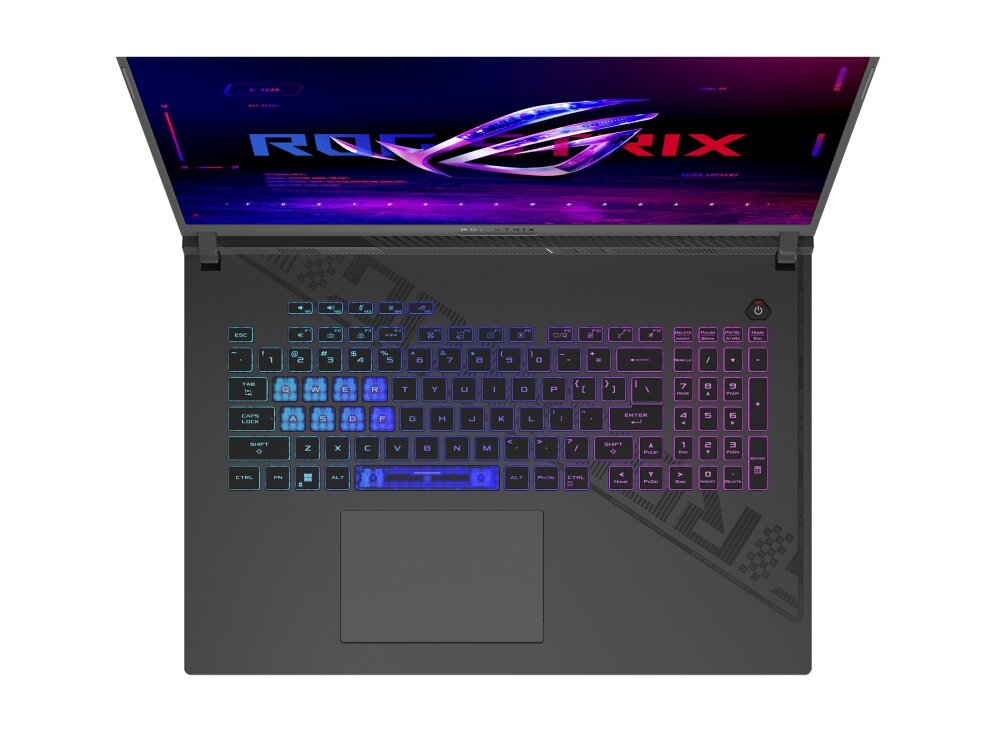
ASUS ROG Strix G18 G814JZR-N6008W-GAMING gaming laptop features DDR5-SDRAM memory upgrade capabilities. The system contains two SO-DIMM slots supporting maximum RAM capacity of 64 GB. Compatible memory operates at 5600 MHz frequency specifications. Upgrade options utilize SO-DIMM form factor modules. Current configuration and expandable memory slots enable performance enhancement through additional DDR5 modules.
Memory Upgrade Specifications
| Specification | Value |
|---|---|
| Memory slots | 2x SO-DIMM |
| Form factor | SO-DIMM |
| Memory type | DDR5-SDRAM |
| Frequency | 5600 MHz |
| Maximum RAM | 64 GB |
| Voltage | 1.1V |
| Number of pins | 262-pin |
| Interface | PC5 |
| PC Speed Rating | PC5-5600 (PC5-44800) |
| Bandwidth | 44.8 GB/s |
Additional Notes
- The ASUS ROG G814JZR-N6008W-GAMING dual-channel architecture requires matched module pairs to maintain optimal memory interleaving, as mismatched capacities or timings will force the controller to operate in asymmetric or single-channel mode.
- The 5600 MHz specification represents JEDEC or XMP profile operation, meaning modules rated below this frequency will underclock the entire memory subsystem to the slower module's maximum stable speed.
- DDR5 SO-DIMM modules operating at 5600 MHz typically require 1.1V, but some high-density configurations may specify 1.25V or higher, potentially triggering thermal throttling in compact gaming chassis without adequate airflow over the memory area.
- The 64 GB ceiling indicates a maximum of 32 GB per slot, which limits upgrade paths to either 2x16 GB or 2x32 GB configurations, with no intermediate single-module expansion options available.
- DDR5 on-die ECC operates independently of the system's error correction capabilities, meaning module-level error correction functions regardless of BIOS settings, but does not guarantee protection against all memory corruption scenarios in gaming workloads.
- Modules exceeding 5600 MHz may require manual BIOS configuration to enable higher-speed XMP or EXPO profiles, as most systems default to JEDEC baseline speeds until user intervention authorizes overclocked operation.
- The SO-DIMM form factor restricts compatibility to notebook-specific modules, as desktop DIMM modules are physically incompatible due to differing pin counts and notch positioning.
- Mixing module ranks, such as pairing single-rank with dual-rank DIMMs, can reduce maximum stable frequency or increase latency due to additional electrical load on the memory controller's command and address buses.
- Non-vendor modules void coverage only for memory-related failures in most jurisdictions, but physical installation damage to retention clips or slots typically falls outside accidental damage protection unless explicitly covered by extended warranty terms.
- Heat spreader height variations among aftermarket modules may create clearance conflicts with internal components, though SO-DIMM thermal solutions are generally lower-profile than desktop equivalents.