ASUS ROG G814JZR-N6044 RAM upgrade specifications




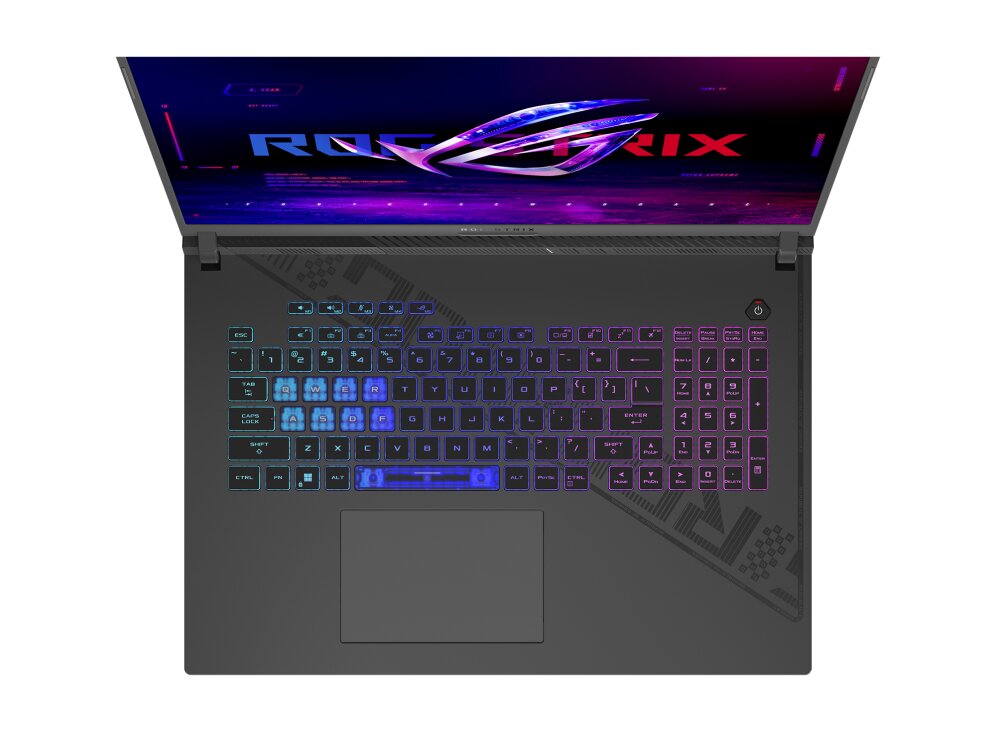
ASUS ROG Strix G18 G814JZR-N6044 laptop RAM upgrade specifications include DDR5-SDRAM memory compatible with 2x SO-DIMM slots. The maximum RAM capacity reaches 64 GB total, with memory operating at 5600 MHz frequency. Upgrades utilize SO-DIMM form factor modules. This gaming laptop model supports DDR5 memory technology for enhanced performance specifications.
Memory Upgrade Specifications
| Specification | Value |
|---|---|
| Memory slots | 2x SO-DIMM |
| Form factor | SO-DIMM |
| Memory type | DDR5-SDRAM |
| Frequency | 5600 MHz |
| Maximum RAM | 64 GB |
| Voltage | 1.1V |
| Number of pins | 262-pin |
| Interface | PC5 |
| PC Speed Rating | PC5-5600 (PC5-44800) |
| Bandwidth | 44.8 GB/s |
Additional Notes
- The ASUS ROG G814JZR-N6044 requires DDR5 SO-DIMM modules, which are physically incompatible with DDR4 slots due to different notch positioning and voltage requirements.
- The 5600 MHz specification represents JEDEC standard speed, though Intel 13th generation or later processors in this chassis may support JEDEC or XMP profiles beyond this base frequency if matching modules are installed.
- Dual SO-DIMM configuration limits upgrade flexibility compared to 4-slot designs, requiring complete replacement of existing modules rather than incremental capacity additions.
- The 64 GB ceiling translates to 2x32 GB module pairing as the only path to maximum capacity, with 2x16 GB or mixed configurations leaving expansion headroom unused.
- DDR5 SO-DIMM modules operate at 1.1V compared to DDR4's 1.2V, reducing heat output but requiring motherboard firmware compatibility for proper voltage regulation.
- Installing mismatched module capacities triggers single-channel operation for the excess capacity on the larger module, halving theoretical bandwidth for that portion of installed memory.
- The SO-DIMM form factor measures 69.6 mm compared to standard DIMM's 133.35 mm length, preventing use of desktop memory modules regardless of DDR5 compatibility.
- Accessing memory slots in ROG gaming chassis typically requires bottom panel removal, with potential warranty implications if manufacturer seals are present on chassis screws.
- DDR5's on-die ECC operates independently of system-level ECC support, providing background error correction without BIOS configuration but not replacing registered ECC functionality.
- The 5600 MHz effective transfer rate derives from 2800 MHz base clock doubled through DDR architecture, distinguishing it from older SDR or DDR technologies with different multipliers.
- Thermal considerations favor modules with integrated heat spreaders in gaming laptops, though SO-DIMM height restrictions limit spreader thickness compared to desktop counterparts.
- Mixed-speed module installation forces all memory to operate at the slowest module's rated frequency, negating performance benefits of higher-speed components.