ASUS ROG G814PM-S8051W RAM upgrade specifications
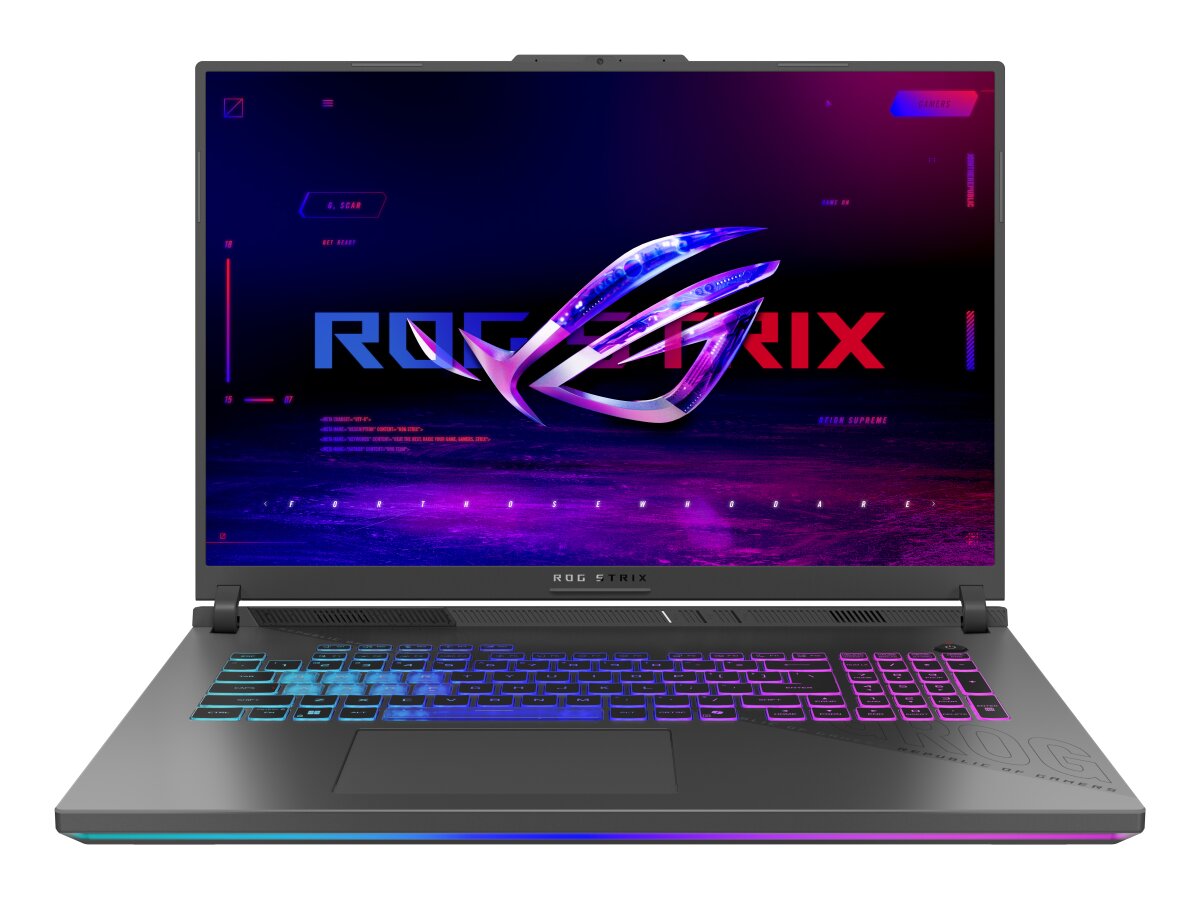
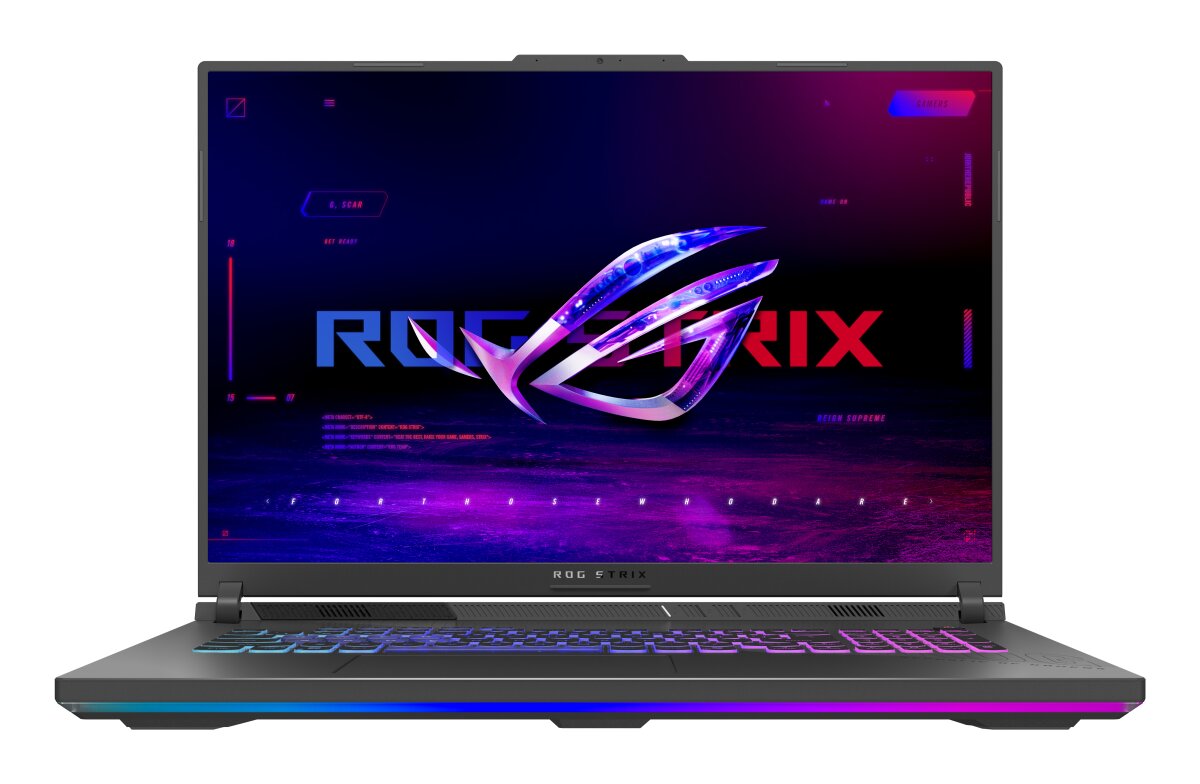
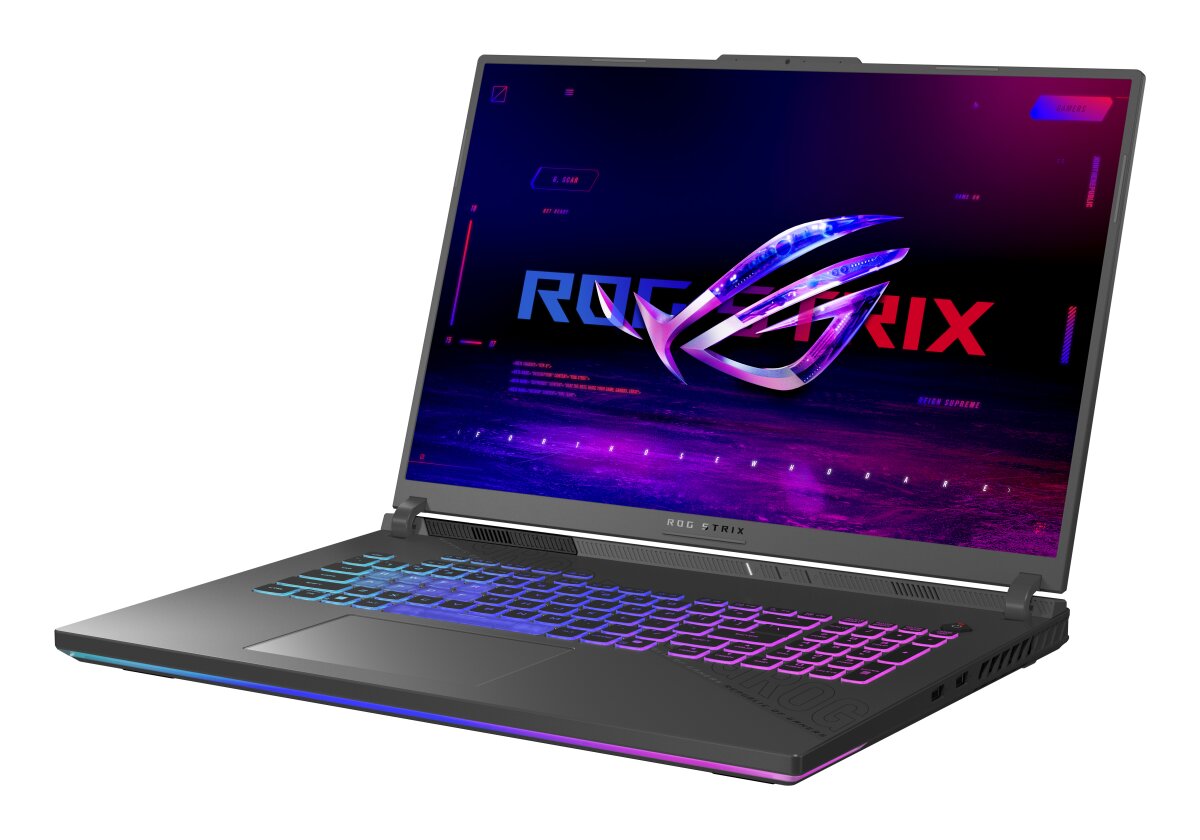
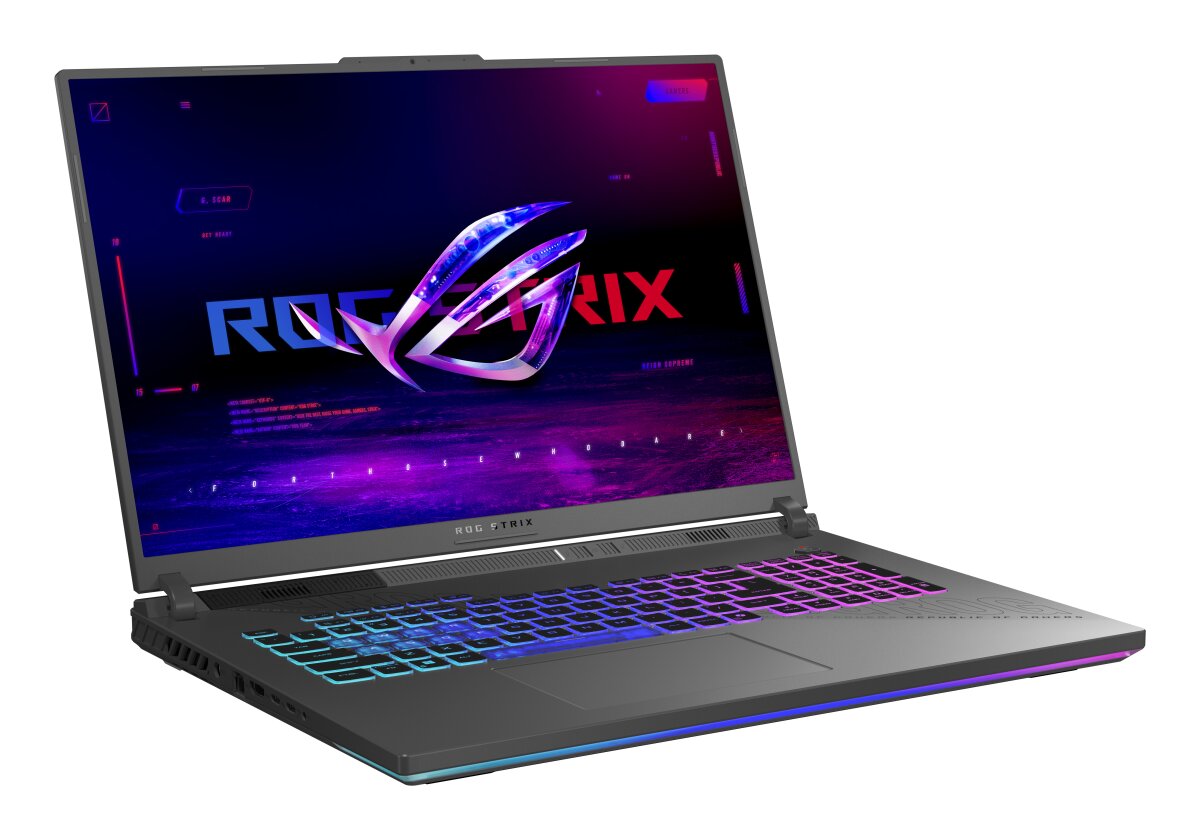
ASUS ROG Strix G18 model G814PM-S8051W supports DDR5-SDRAM memory upgrades with maximum capacity of 64 GB. The laptop features 2x SO-DIMM slots for memory expansion. Compatible DDR5 modules operate at 5200 MHz frequency. Upgrade specifications indicate SO-DIMM form factor modules are required for memory expansion on this gaming laptop. Maximum RAM capacity supports high-performance computing requirements for intensive applications.
Memory Upgrade Specifications
| Specification | Value |
|---|---|
| Memory slots | 2x SO-DIMM |
| Form factor | SO-DIMM |
| Memory type | DDR5-SDRAM |
| Frequency | 5200 MHz |
| Maximum RAM | 64 GB |
| Voltage | 1.1V |
| Number of pins | 262-pin |
| Interface | PC5 |
| PC Speed Rating | PC5-5200 (PC5-41600) |
| Bandwidth | 41.6 GB/s |
Additional Notes
- The ASUS ROG G814PM-S8051W uses SO-DIMM slots, which are laptop-specific modules incompatible with standard desktop DDR5 memory. Desktop DDR5 UDIMMs cannot physically fit into these sockets.
- DDR5-5200 MHz operation requires memory modules rated for 5200 MHz or higher JEDEC standards. Modules rated below this frequency may not initialize at rated speed or may trigger fallback to lower timing profiles, reducing effective bandwidth by 10-15 percent.
- The 2-slot configuration creates a single upgrade ceiling of 64 GB total capacity. Adding a single module beyond the factory configuration leaves one slot populated, reducing dual-channel memory throughput by half compared to symmetric population.
- SO-DIMM DDR5 modules are more expensive per gigabyte than their desktop UDIMM equivalents due to lower manufacturing volume, making cost-per-GB for the 64 GB ceiling approximately 20-30 percent higher than comparable desktop configurations.
- Warranty integrity typically requires purchasing memory from manufacturer-approved component lists. Installing non-qualified DDR5-5200 SO-DIMMs may trigger support denial if stability issues arise, even if the modules meet standard specifications.
- The combined slot saturation of 64 GB represents a firm hardware limit for this chassis design. Future memory demand increases cannot be accommodated through expansion, requiring full module replacement rather than supplemental additions.