ASUS ROG G814PP-S8014W RAM upgrade specifications
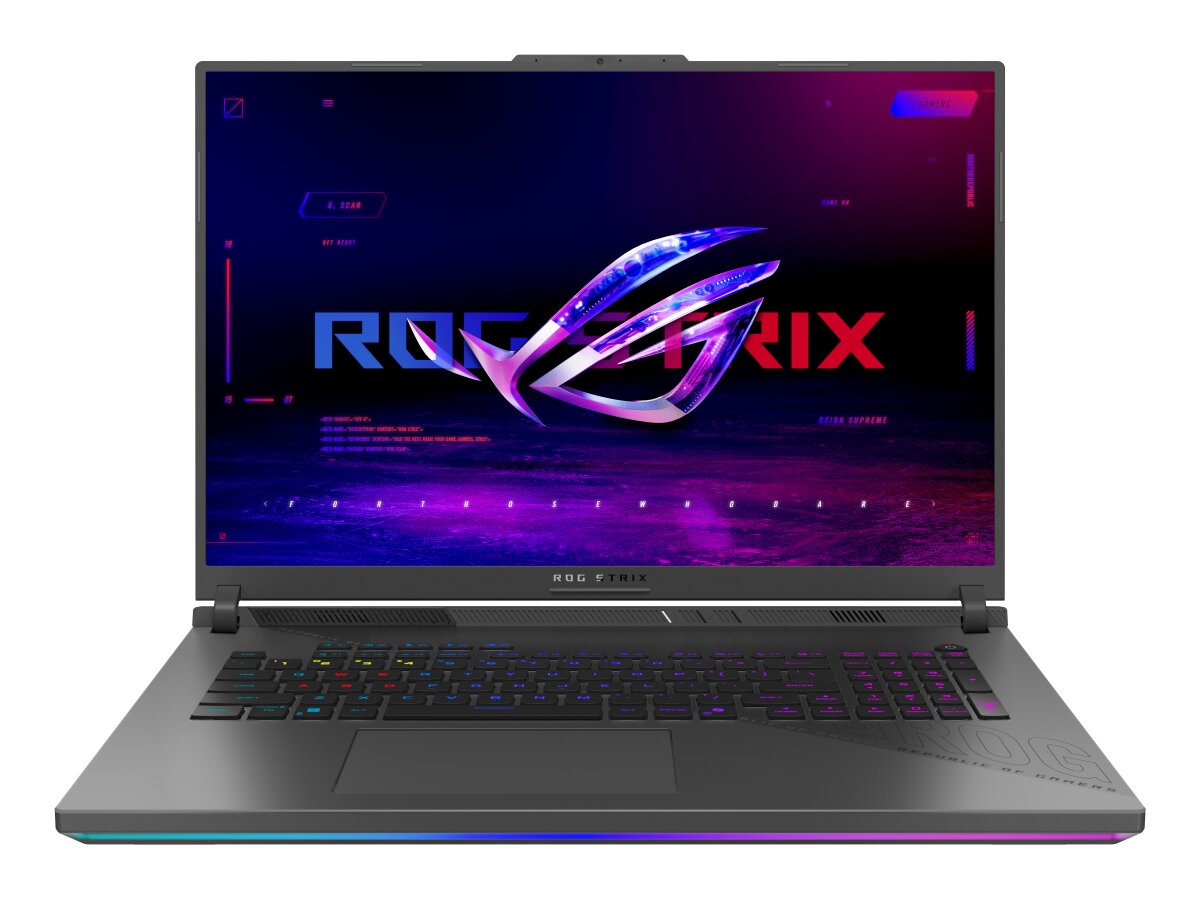

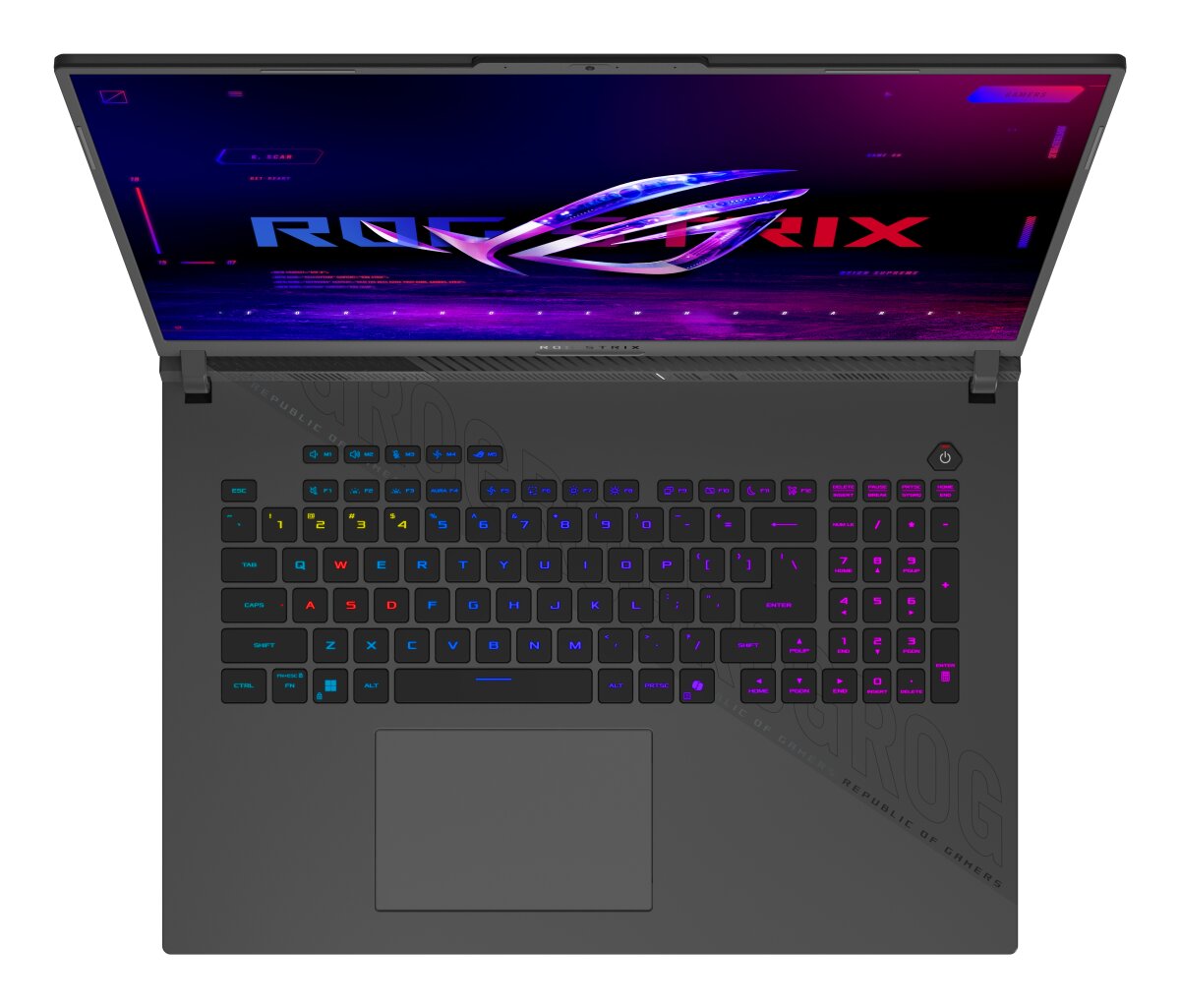
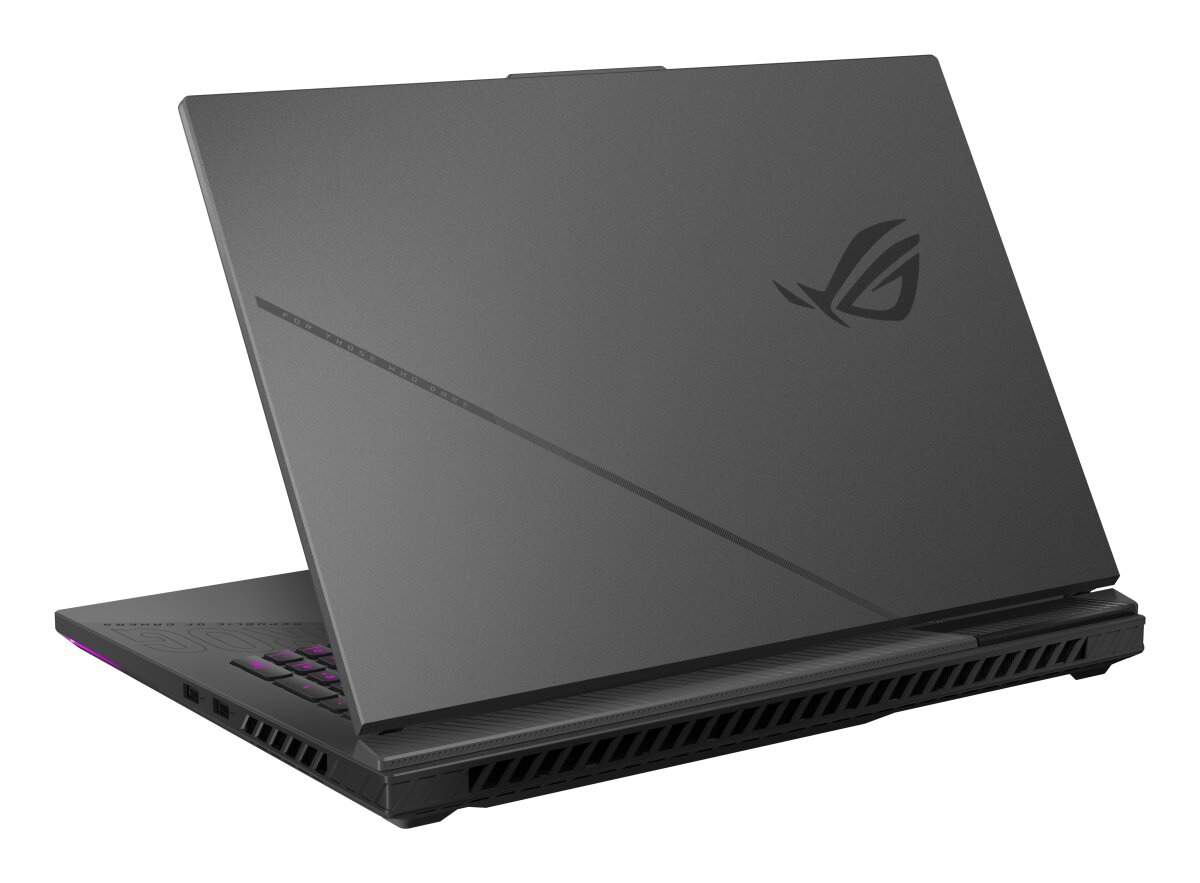
ASUS ROG Strix G814PP-S8014W RAM upgrade specifications indicate support for DDR5-SDRAM memory modules. The laptop features two SO-DIMM memory slots compatible with DDR5 technology operating at 5200 MHz. Maximum supported RAM capacity reaches 64 GB total. Upgrade options include DDR5 SO-DIMM modules compatible with the existing slot configuration. Memory specifications confirm DDR5-SDRAM support with specifications meeting Intel platform requirements for the Strix G18 series gaming laptop.
Memory Upgrade Specifications
| Specification | Value |
|---|---|
| Memory slots | 2x SO-DIMM |
| Form factor | SO-DIMM |
| Memory type | DDR5-SDRAM |
| Frequency | 5200 MHz |
| Maximum RAM | 64 GB |
| Voltage | 1.1V |
| Number of pins | 262-pin |
| Interface | PC5 |
| PC Speed Rating | PC5-5200 (PC5-41600) |
| Bandwidth | 41.6 GB/s |
Additional Notes
- The ASUS ROG G814PP-S8014W uses DDR5 SO-DIMM modules, which are physically incompatible with DDR4 or earlier generation memory due to different notch positioning and voltage requirements.
- DDR5-5200 represents JEDEC standard specifications, meaning modules rated at higher frequencies like 5600 MHz or 6000 MHz will downclock to 5200 MHz when installed in this system.
- The 2-slot configuration limits upgrade flexibility, requiring complete module replacement rather than capacity expansion when moving from lower to higher total memory.
- Achieving the 64 GB maximum capacity requires two 32 GB modules, which typically operate in dual-channel mode for symmetric bandwidth distribution across both memory channels.
- SO-DIMM form factor compliance is mandatory, as standard desktop DIMM modules will not physically fit the notebook's memory slots regardless of electrical compatibility.
- DDR5 operates at 1.1V compared to DDR4's 1.2V, meaning voltage-incompatible modules from previous generations cannot function even if forced into the slot.
- Memory frequency at 5200 MHz provides 41.6 GB/s theoretical bandwidth per channel, doubling to approximately 83.2 GB/s in dual-channel configuration with matched module pairs.
- Mixing modules with different speeds, latencies, or capacities may force the system to run all memory at the lowest common denominator specifications or prevent boot entirely.
- Third-party RAM installations typically preserve warranty coverage for most manufacturers, though verification of specific warranty terms remains advisable before module replacement.
- DDR5's on-die ECC differs from traditional ECC memory, providing error correction for internal operations while remaining distinct from server-grade ECC SO-DIMMs that require chipset support.