ASUS ROG G814PP-S9018W RAM upgrade specifications

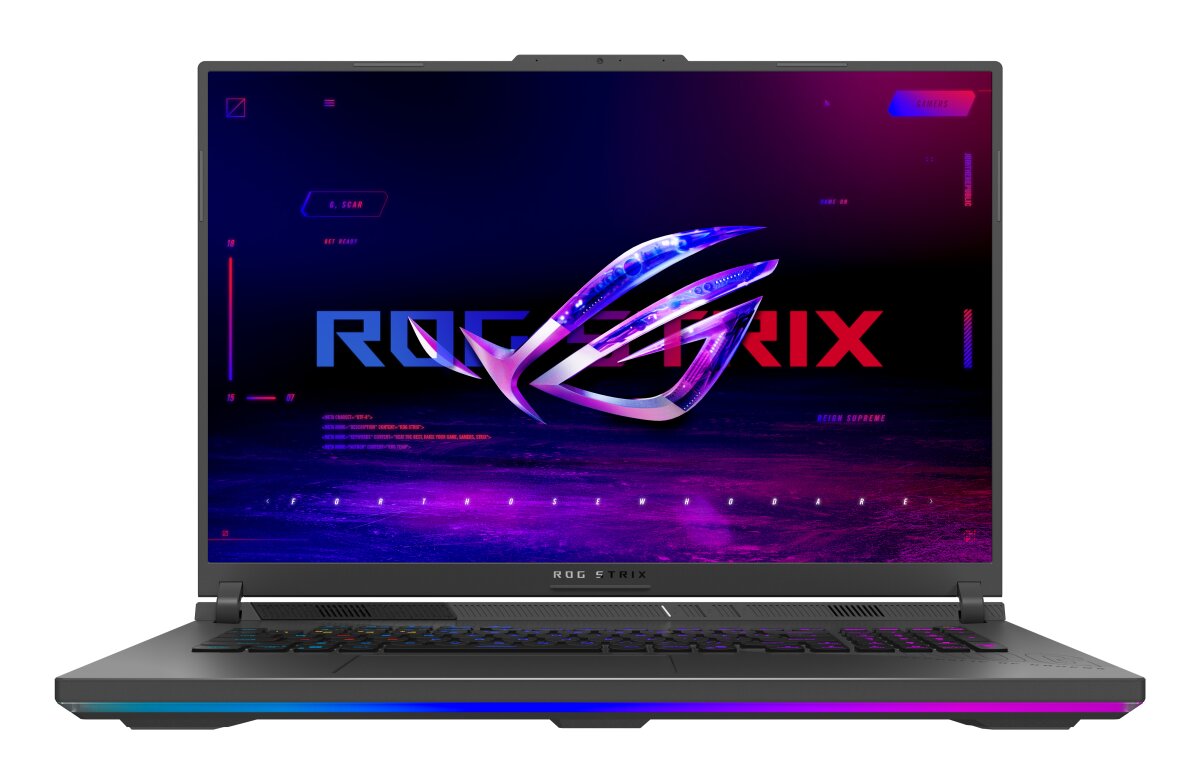


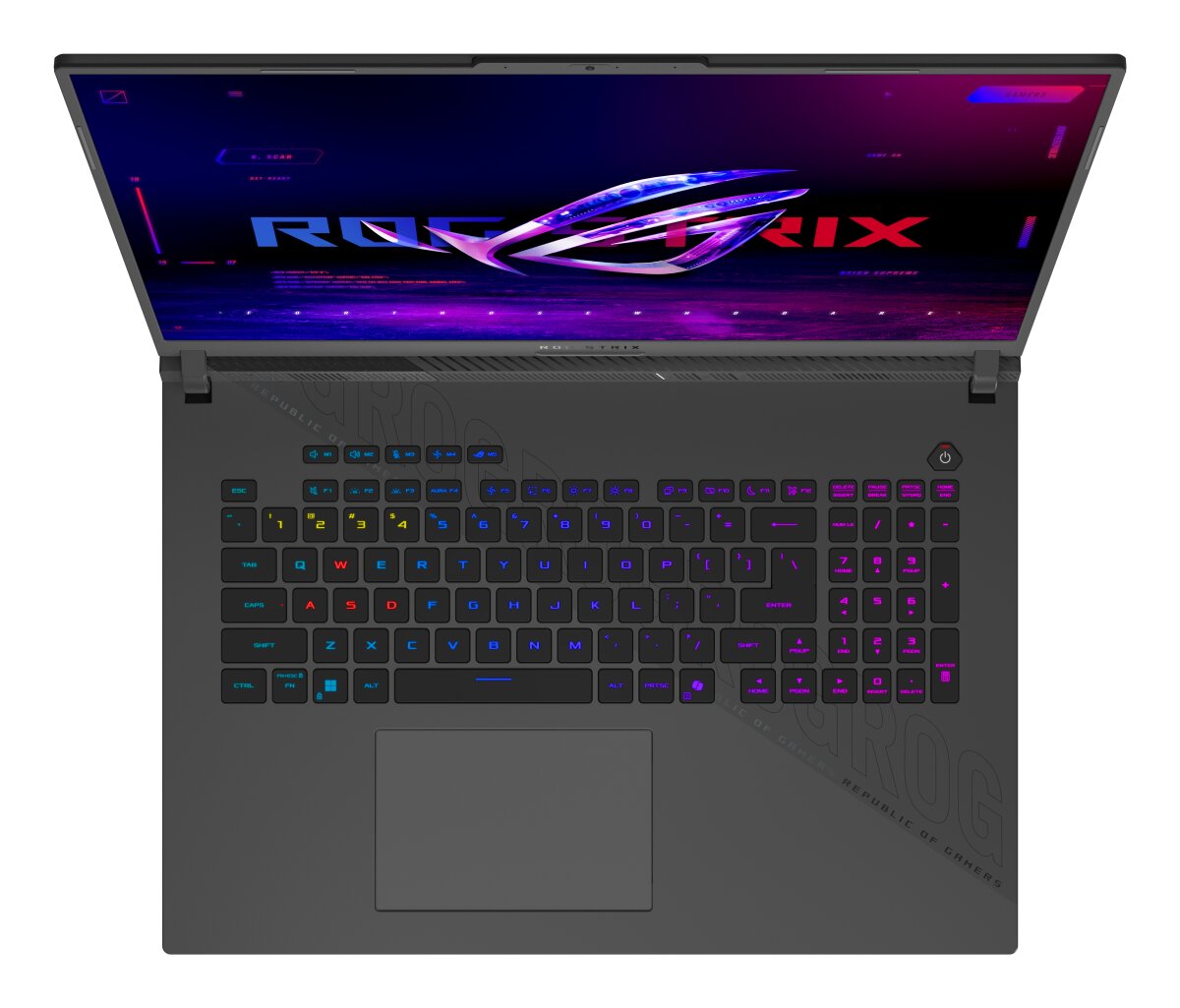
The ASUS ROG Strix G18 G814PP-S9018W features DDR5-SDRAM memory upgrade capabilities with 2x SO-DIMM slots supporting maximum capacity of 32 GB. Compatible memory modules operate at 5200 MHz frequency. The laptop specifications include SO-DIMM form factor RAM slots, enabling users to expand or upgrade memory configurations according to system requirements and performance demands.
Memory Upgrade Specifications
| Specification | Value |
|---|---|
| Memory slots | 2x SO-DIMM |
| Form factor | SO-DIMM |
| Memory type | DDR5-SDRAM |
| Frequency | 5200 MHz |
| Maximum RAM | 32 GB |
| Voltage | 1.1V |
| Number of pins | 262-pin |
| Interface | PC5 |
| PC Speed Rating | PC5-5200 (PC5-41600) |
| Bandwidth | 41.6 GB/s |
Additional Notes
- The DDR5-5200 specification requires motherboard firmware that supports JEDEC standard profiles, as manual timing adjustments are typically unavailable in ROG laptop BIOS implementations.
- The 32 GB maximum capacity limit indicates a dual-channel controller architecture with 16 GB maximum per slot, preventing future expansion beyond this threshold regardless of DIMM availability.
- SO-DIMM DDR5 modules operate at 1.1V nominal voltage compared to DDR4's 1.2V, reducing compatibility with legacy testing equipment during verification procedures.
- The 5200 MHz frequency represents a 62.5% increase in theoretical bandwidth over DDR4-3200, though real-world performance gains depend on CPU memory controller efficiency and thermal constraints.
- Mixing DDR5 modules with different die densities may force the memory controller to operate at the lowest common frequency and timing configuration, potentially underutilizing rated specifications.
- The 2-slot configuration lacks redundancy for single-module failure scenarios, requiring complete memory replacement rather than partial degradation to half capacity.
- DDR5's on-DIMM voltage regulation architecture means defective modules may cause POST failures that differ diagnostically from DDR4 behavior patterns.
- The absence of ECC designation indicates unbuffered modules without error correction, making the system vulnerable to soft errors during sustained computational workloads.
- Physical slot access on this chassis requires bottom panel removal, which may involve breaking factory seals that affect warranty status verification during service claims.
- The SO-DIMM form factor at DDR5 densities generates higher thermal output per cubic millimeter than DDR4 equivalents, potentially triggering thermal throttling in sustained memory-intensive operations without adequate chassis airflow.