ASUS ROG G814PP-S9046-GAMING RAM upgrade specifications




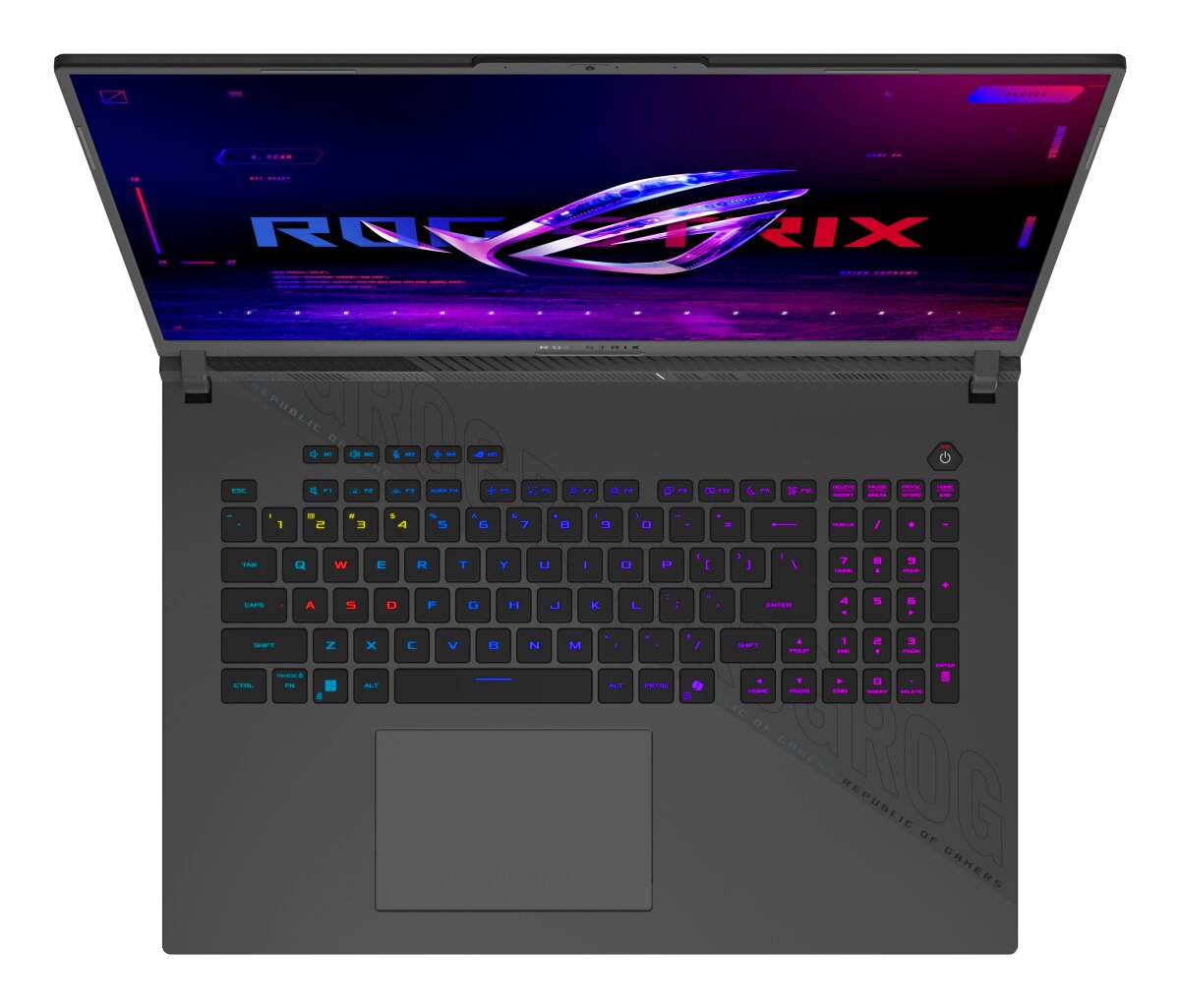
The ASUS ROG Strix G18 G814PP-S9046-GAMING gaming laptop contains two SO-DIMM memory slots supporting DDR5-SDRAM upgrades. Maximum RAM capacity reaches 64 GB total, with compatible modules operating at 5200 MHz frequency. The SO-DIMM form factor specifications enable memory expansion for enhanced multitasking and gaming performance on this specific model.
Memory Upgrade Specifications
| Specification | Value |
|---|---|
| Memory slots | 2x SO-DIMM |
| Form factor | SO-DIMM |
| Memory type | DDR5-SDRAM |
| Frequency | 5200 MHz |
| Maximum RAM | 64 GB |
| Voltage | 1.1V |
| Number of pins | 262-pin |
| Interface | PC5 |
| PC Speed Rating | PC5-5200 (PC5-41600) |
| Bandwidth | 41.6 GB/s |
Additional Notes
- The ASUS ROG G814PP-S9046-GAMING utilizes DDR5 technology, which operates at higher voltages than DDR4 and requires modules with integrated power management ICs, eliminating compatibility with any DDR4 SO-DIMM regardless of physical similarity.
- The 64 GB ceiling translates to 32 GB modules per slot, meaning upgrades beyond this threshold would require motherboard replacement rather than additional memory installation.
- SO-DIMM packaging restricts module height to approximately 30 mm, preventing installation of larger DIMM variants used in desktop systems despite potential electrical compatibility.
- The 5200 MHz specification represents a JEDEC standard speed, allowing modules rated at higher frequencies such as 5600 MHz or 6000 MHz to function through automatic downclocking to native chipset support levels.
- DDR5's dual-channel architecture operates at the module level rather than the slot level, enabling each SO-DIMM to function independently as two 32-bit channels compared to DDR4's single 64-bit channel per module.
- Thermal considerations become critical at 5200 MHz operation, as DDR5 modules generate approximately 30 percent more heat than equivalent DDR4 configurations, potentially requiring passive heat spreaders on replacement modules.
- Mixed-capacity configurations such as pairing 16 GB with 32 GB modules remain functional but disable flex mode optimization, resulting in asymmetric channel population and reduced memory interleaving efficiency.
- The 2-slot limitation means capacity expansion requires complete replacement of existing modules rather than supplemental installation, affecting total cost of ownership for incremental upgrades.
- On-die ECC functionality in DDR5 operates transparently at the DRAM level but differs from server-grade ECC SO-DIMM, which consumer platforms including ROG series typically do not support in BIOS.
- Latency specifications become paramount at 5200 MHz, where CL40 and CL42 modules exhibit measurable performance differences in memory-bound workloads despite identical frequency ratings.
- Opening the chassis for memory installation on gaming laptops typically voids seals rather than warranty coverage itself, though manufacturer policies vary regarding user-serviceable component access.
- Single-rank versus dual-rank module architecture affects bandwidth utilization, with dual-rank configurations offering superior performance in multi-threaded applications despite identical total capacity.