ASUS ROG G815LW-S8030W RAM upgrade specifications
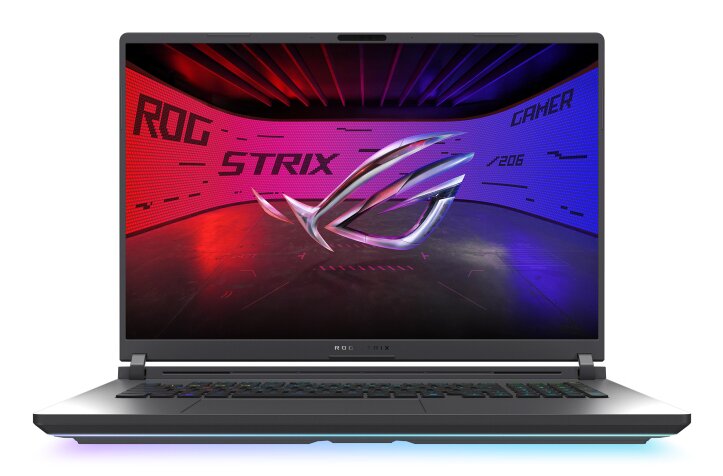
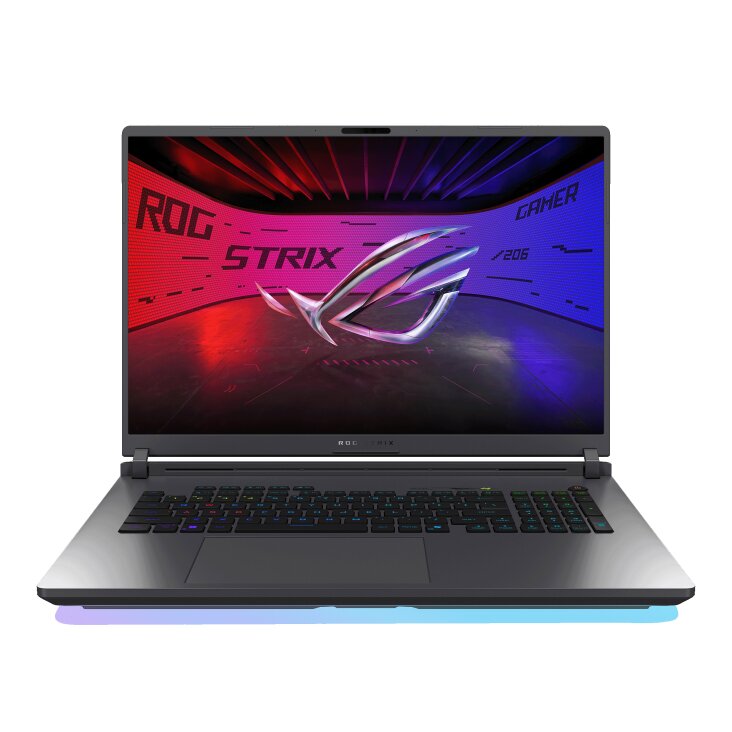
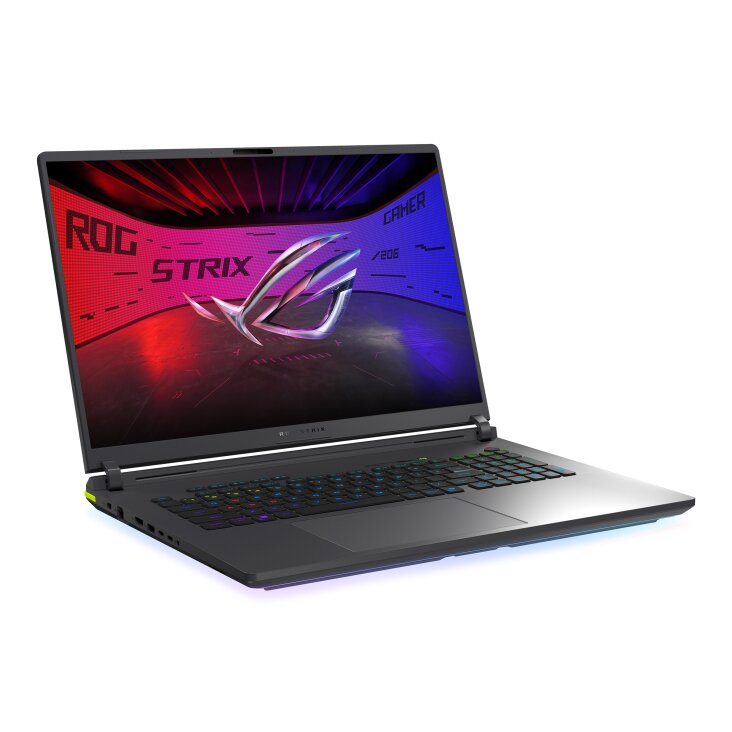

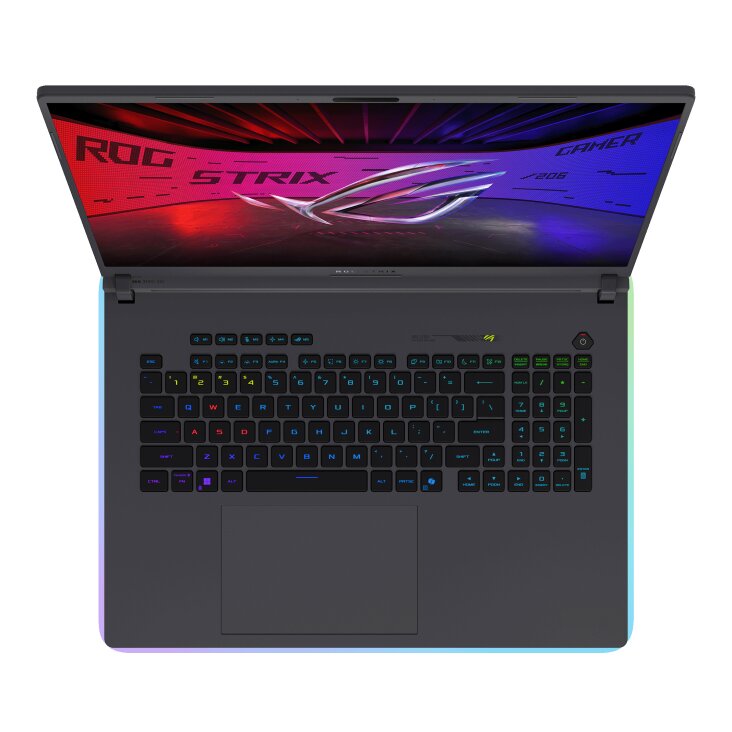
The ASUS ROG Strix G18 G815LW-S8030W features DDR5-SDRAM memory upgrade specifications with two SO-DIMM slots supporting maximum capacity of 64 GB RAM. The compatible memory operates at 5600 MHz frequency. Upgrade options for this gaming laptop model include DDR5 SO-DIMM modules compatible with the existing slot configuration, enabling memory expansion up to the maximum specified capacity for enhanced performance in the Strix G18 series.
Memory Upgrade Specifications
| Specification | Value |
|---|---|
| Memory slots | 2x SO-DIMM |
| Form factor | SO-DIMM |
| Memory type | DDR5-SDRAM |
| Frequency | 5600 MHz |
| Maximum RAM | 64 GB |
| Voltage | 1.1V |
| Number of pins | 262-pin |
| Interface | PC5 |
| PC Speed Rating | PC5-5600 (PC5-44800) |
| Bandwidth | 44.8 GB/s |
Additional Notes
- DDR5-5600 modules operating at lower speeds than the standard 5600 MHz will function but may compromise system performance in memory-intensive workloads.
- The 2-slot configuration limits future expansion flexibility, requiring both modules to be replaced rather than supplemented when upgrading from a lower capacity.
- SO-DIMM DDR5 modules require precise alignment during installation due to the notch position specific to DDR5, preventing accidental insertion of incompatible DDR4 SO-DIMMs.
- JEDEC-compliant non-XMP DDR5 modules eliminate potential stability issues that can arise from overclocked memory profiles on mobile platforms.
- Dual-channel population necessitates matched module pairs to avoid asymmetric configurations that reduce memory bandwidth despite both slots being occupied.
- The ASUS ROG G815LW-S8030W supports per-slot capacities up to 32 GB, establishing the upper boundary for single-module density selection.
- Thermal considerations become relevant above 32 GB total capacity, as higher-density modules may generate additional heat in the confined laptop chassis.
- Non-ECC SO-DIMM modules maintain compatibility with the consumer-grade memory controller, whereas ECC variants designed for workstation platforms will not function.
- Voltage specifications for DDR5 SO-DIMMs standardize at 1.1V, eliminating the variable voltage compatibility concerns present in DDR4 upgrade scenarios.
- Aftermarket memory installation typically preserves warranty coverage for laptops sold in most regions, though verification of regional warranty terms remains advisable before modification.
- The 5600 MHz frequency represents the baseline JEDEC standard for DDR5, ensuring broad module availability compared to higher-speed bins that may have limited vendor support.