ASUS ROG G815LW-S9005W RAM upgrade specifications
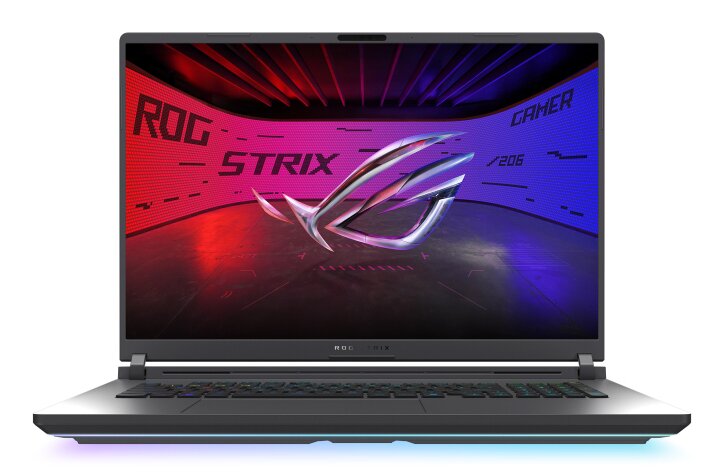
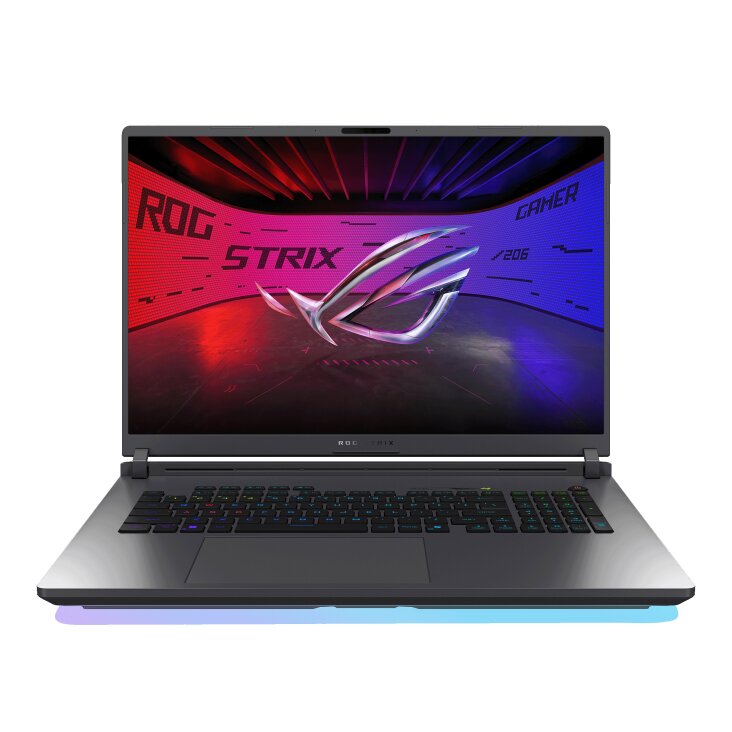

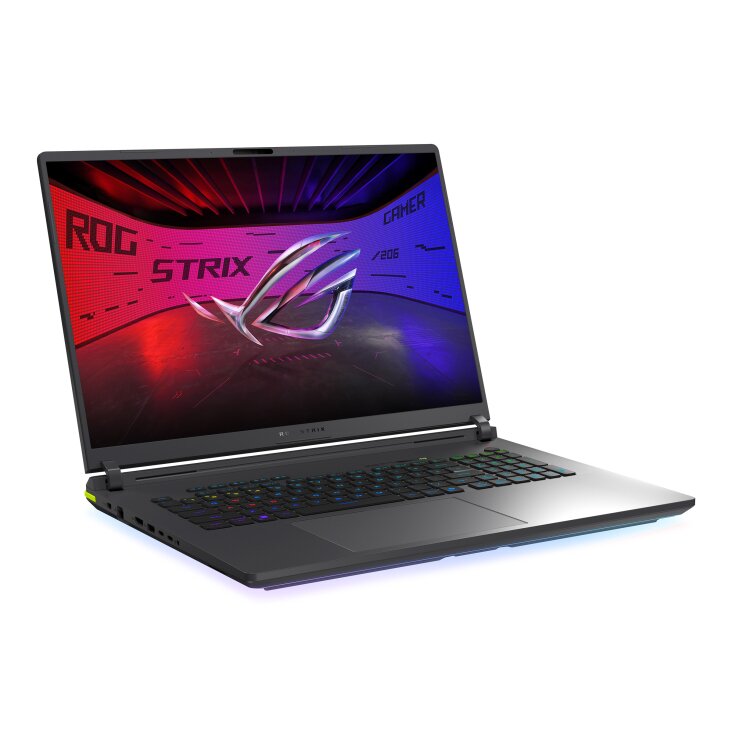
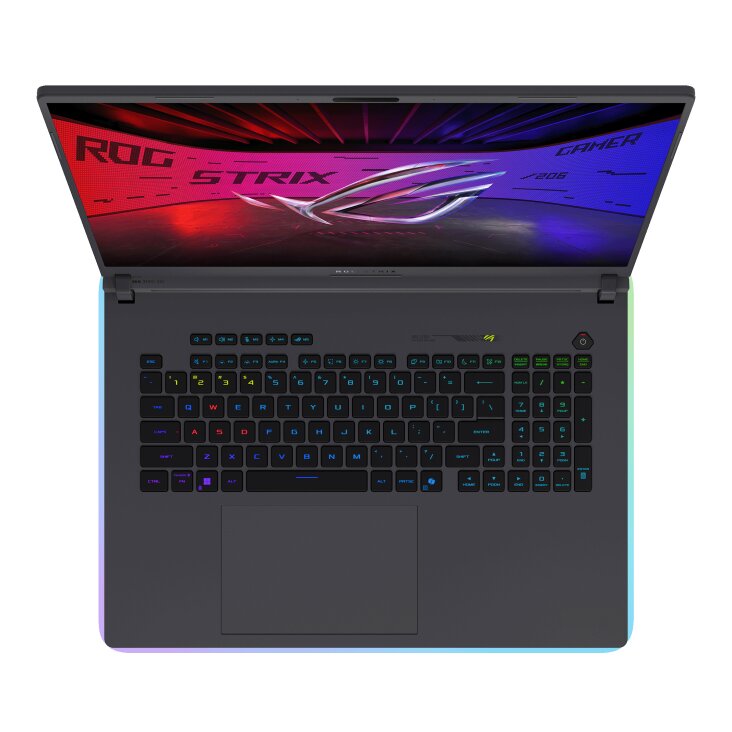
ASUS ROG Strix G18 model G815LW-S9005W supports DDR5-SDRAM memory upgrade configuration. The laptop features 2x SO-DIMM slots for memory expansion. Maximum RAM capacity reaches 32 GB total. Compatible memory specifications include DDR5-SDRAM operating at 5600 MHz frequency. The SO-DIMM form factor ensures compatibility with standard laptop memory modules. Upgrade options allow users to expand memory capacity by utilizing available slots within the specified maximum threshold.
Memory Upgrade Specifications
| Specification | Value |
|---|---|
| Memory slots | 2x SO-DIMM |
| Form factor | SO-DIMM |
| Memory type | DDR5-SDRAM |
| Frequency | 5600 MHz |
| Maximum RAM | 32 GB |
| Voltage | 1.1V |
| Number of pins | 262-pin |
| Interface | PC5 |
| PC Speed Rating | PC5-5600 (PC5-44800) |
| Bandwidth | 44.8 GB/s |
Additional Notes
- The ASUS ROG G815LW-S9005W supports DDR5 memory exclusively, which means DDR4 modules cannot be physically installed despite similar connector appearance to untrained observation.
- With 2 SO-DIMM slots and a 32 GB ceiling, symmetric dual-channel population (2x16 GB) represents the only configuration that maximizes both capacity and memory bandwidth utilization for this platform.
- The 5600 MHz native frequency operates as a JEDEC standard specification for DDR5, but actual clock speed may vary based on BIOS configuration and silicon binning of the installed processor.
- SO-DIMM form factor constrains module height to approximately 30 millimeters, which can create clearance conflicts with tall CPU coolers during installation; verification against thermal solution geometry is necessary before purchase.
- Memory upgrade operations on this laptop model typically require keyboard removal and battery disconnection to access the SO-DIMM slots, creating potential warranty implications if internal seals or tamper indicators are present.
- Single-module upgrades (such as adding one 16 GB stick to an existing 8 GB module) will create asymmetric dual-channel operation, which reduces effective bandwidth by approximately 10-15 percent compared to matched-capacity configurations.
- No upgrade path exists beyond 32 GB total capacity; this represents a hard architectural limitation rather than a future upgrade consideration.