ASUS ROG G815LW-S9016W RAM upgrade specifications


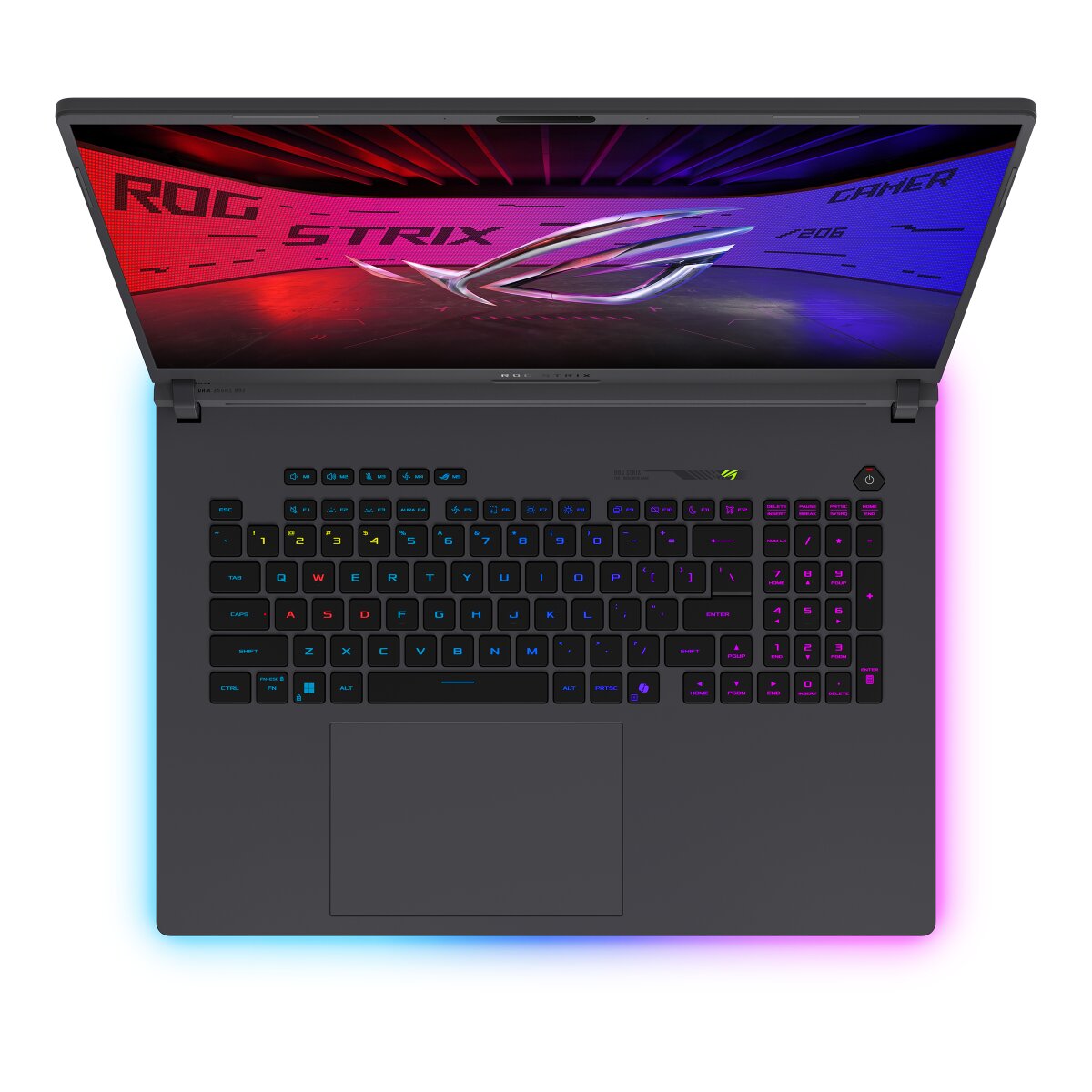

The ASUS ROG Strix G18 G815LW-S9016W laptop features two SO-DIMM slots supporting DDR5-SDRAM memory upgrades. The system accommodates a maximum RAM capacity of 64 GB total, with compatible DDR5 modules operating at 5600 MHz frequency. Memory upgrade specifications allow for flexible configuration within the dual-slot architecture, enabling users to install matching or mismatched capacity modules up to the maximum supported threshold. The SO-DIMM form factor specifications ensure compatibility with standard DDR5 laptop memory upgrades for this gaming-focused model.
Memory Upgrade Specifications
| Specification | Value |
|---|---|
| Memory slots | 2x SO-DIMM |
| Form factor | SO-DIMM |
| Memory type | DDR5-SDRAM |
| Frequency | 5600 MHz |
| Maximum RAM | 64 GB |
| Voltage | 1.1V |
| Number of pins | 262-pin |
| Interface | PC5 |
| PC Speed Rating | PC5-5600 (PC5-44800) |
| Bandwidth | 44.8 GB/s |
Additional Notes
- The ASUS ROG G815LW-S9016W accepts DDR5 SO-DIMM modules exclusively, eliminating backward compatibility with DDR4 memory even if physically forced.
- Dual SO-DIMM architecture means maximum capacity expansion reaches 64 GB total, achievable only through 2x32 GB module pairs; single-sided upgrades leave half the bandwidth potential unutilized.
- 5600 MHz native frequency support indicates the system controller expects JEDEC-validated memory; non-validated overclocked DDR5 kits operating above this specification may encounter stability degradation or firmware rejection during POST.
- SO-DIMM form factor constrains module selection to laptop-grade memory; desktop DDR5 UDIMM sticks are physically incompatible and cannot be adapted via passive means.
- Upgrade path follows symmetric pairing logic: mismatched module capacities (16 GB plus 32 GB, for example) result in dual-channel operation only across the smaller module's capacity, with excess capacity running in single-channel mode and creating latency asymmetry.
- Installation of both SO-DIMM slots simultaneously triggers automatic memory interleaving; inserting a single module in either slot forces single-channel operation and reduces effective bandwidth by approximately 40-50% compared to populated dual-channel configuration.
- OEM warranty typically remains valid during SO-DIMM replacement since these modules are user-accessible components; however, third-party thermal pads or modified memory configurations may void coverage depending on ASUS policy documentation.