ASUS ROG G532LWS-70B27PB1 RAM upgrade specifications
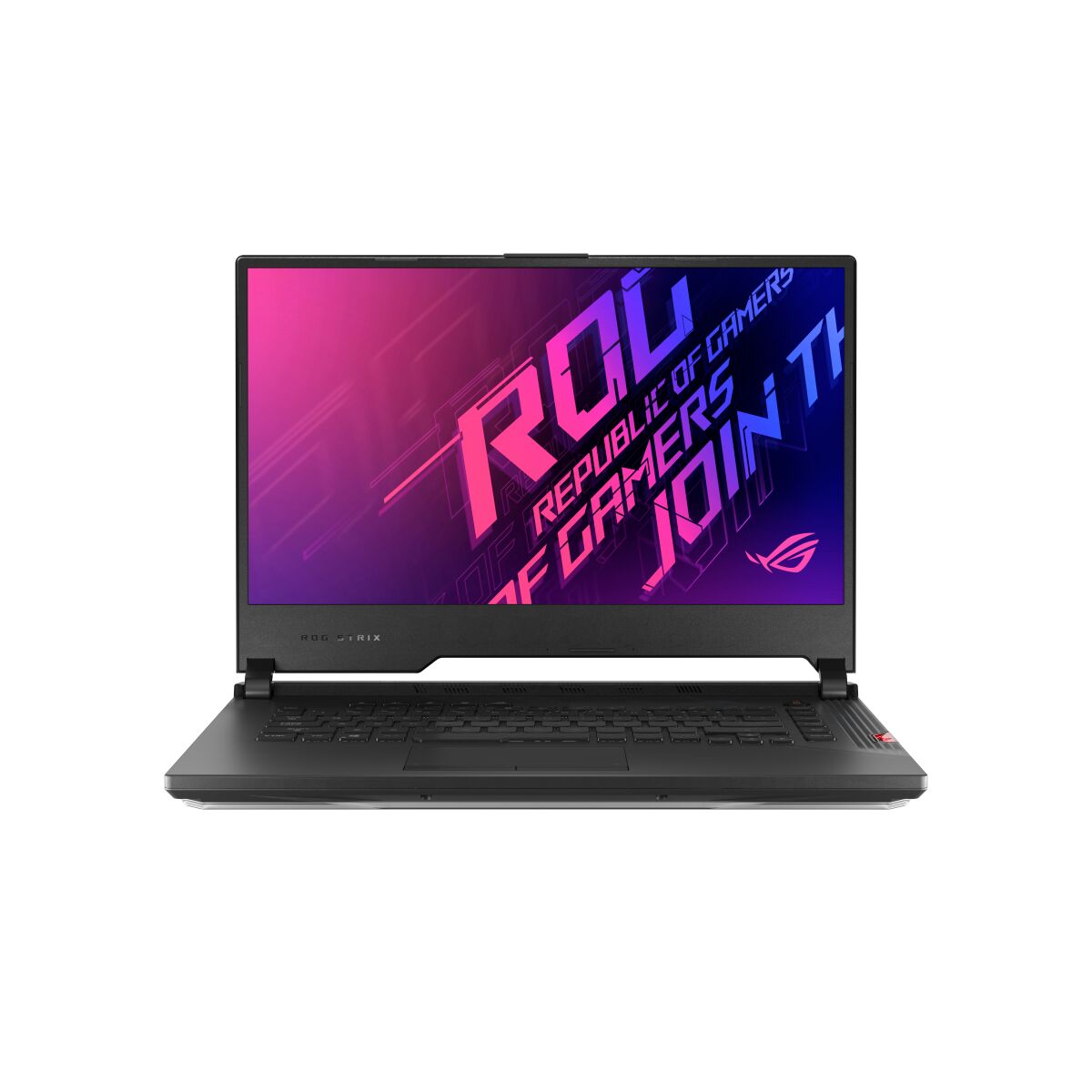
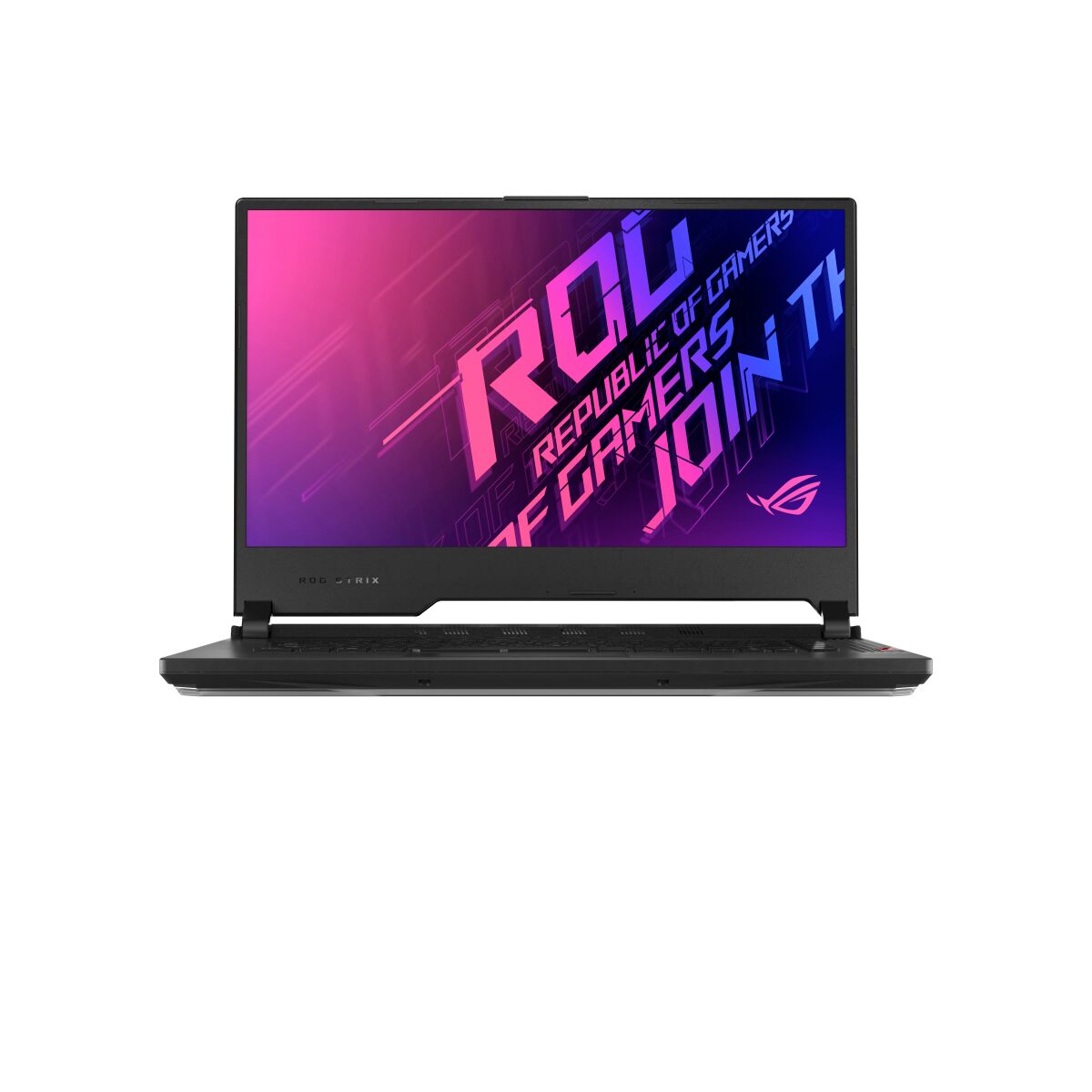
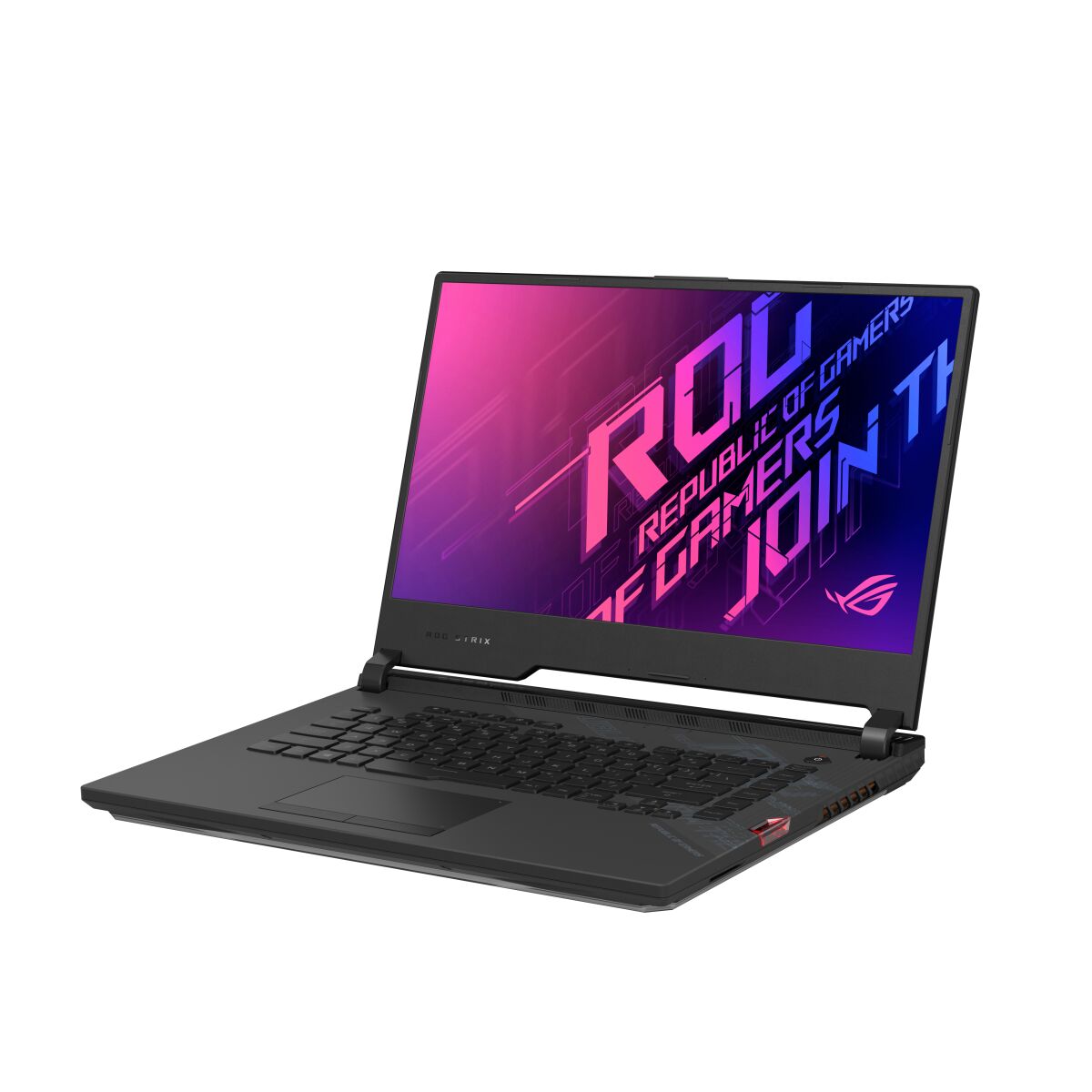
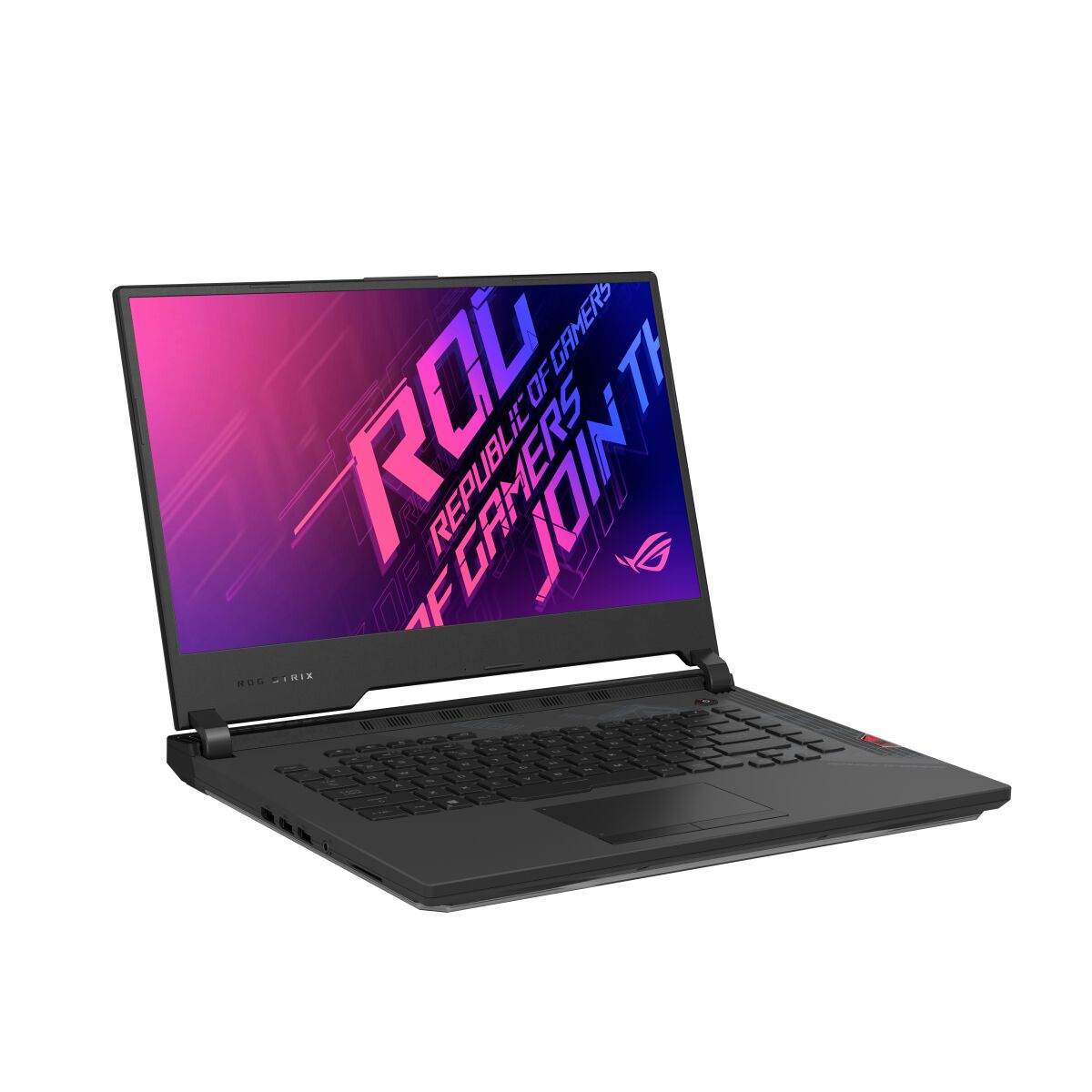
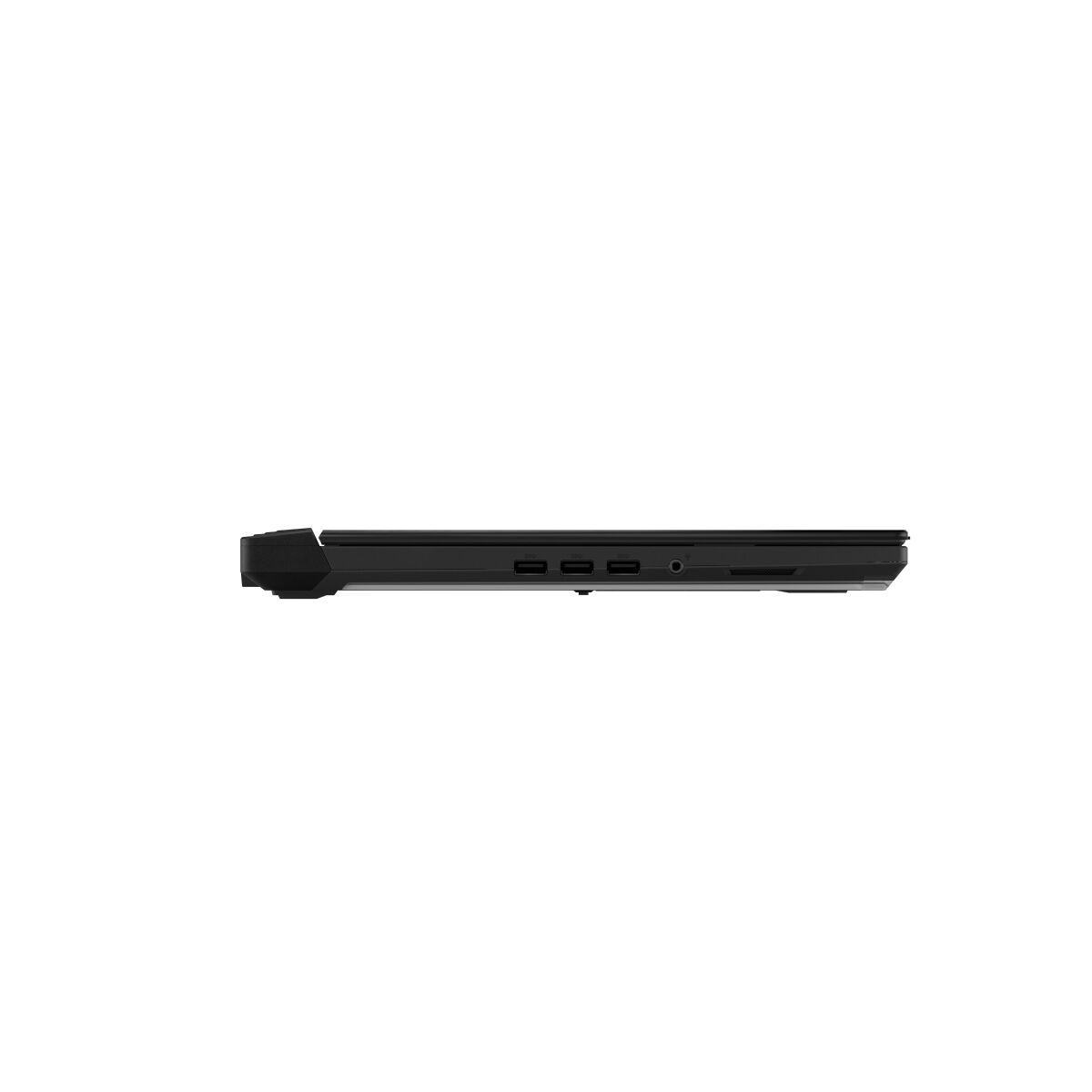
ASUS ROG Strix SCAR 15 model G532LWS-70B27PB1 features DDR4-SDRAM memory upgrade specifications with dual SO-DIMM slots supporting maximum capacity of 32 GB. Compatible RAM operates at 3200 MHz frequency. The laptop accommodates two SO-DIMM modules, enabling memory expansion from factory configuration. Specifications indicate standard DDR4 form factor compatibility, with support for up to 16 GB per slot to reach maximum RAM capacity of 32 GB total.
Memory Upgrade Specifications
| Specification | Value |
|---|---|
| Memory slots | 2x SO-DIMM |
| Form factor | SO-DIMM |
| Memory type | DDR4-SDRAM |
| Frequency | 3200 MHz |
| Maximum RAM | 32 GB |
| Voltage | 1.2V |
| Number of pins | 260-pin |
| Interface | PC4 |
| PC Speed Rating | PC4-3200 (PC4-25600) |
| Bandwidth | 25.6 GB/s |
| Laptop Release date | 15 January 2021 |
Additional Notes
- The ASUS ROG G532LWS-70B27PB1 uses laptop-grade SO-DIMM memory, which means replacement modules must meet this compact form factor; standard desktop DDR4 DIMMs will not fit the available slots.
- With 2 slots total and a 32 GB ceiling, the maximum addressable configuration requires 2x 16 GB modules; single-slot upgrades will leave one SO-DIMM socket empty, reducing potential future expansion options.
- The 3200 MHz specification establishes the qualified speed tier for this platform; memory modules rated above 3200 MHz may not operate at their rated frequency due to controller limitations in the laptop's chipset.
- SO-DIMM modules occupy significantly less physical space than desktop equivalents, which restricts heatspreader designs and reduces passive cooling surface area; aftermarket high-performance memory with elaborate cooling fins may encounter clearance issues beneath the keyboard deck.
- Dual-channel memory architecture requires matched module pairs for optimal performance; asymmetrical configurations (such as mixing 8 GB and 16 GB modules) will operate in single-channel mode across the lower capacity module, creating a performance bottleneck.
- Factory memory typically carries onboard warranty coverage; replacing modules with third-party equivalents may trigger warranty disclaimers if incompatibility causes system failure, even if the new modules technically meet specifications.