ASUS ROG G531GV-AL172 RAM upgrade specifications

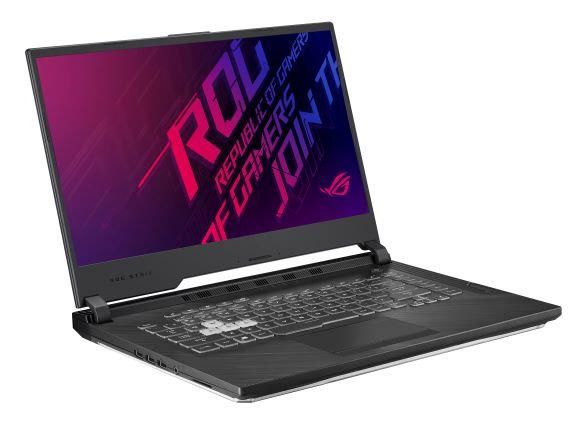

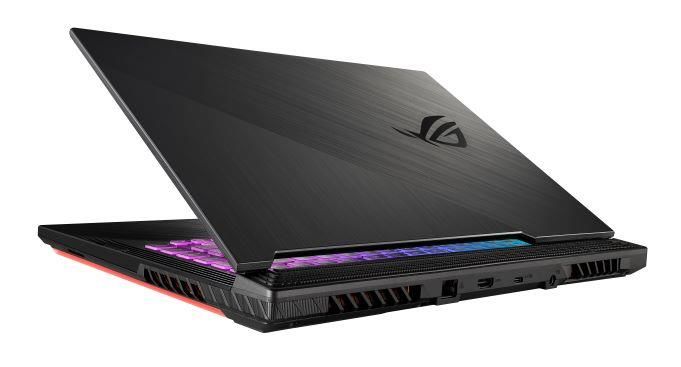

ASUS ROG Strix Hero III G531GV-AL172 laptop supports DDR4-SDRAM memory upgrades through 2x SO-DIMM slots. The upgrade specifications indicate maximum RAM capacity of 32 GB total, with compatible memory operating at 2666 MHz frequency. The SO-DIMM form factor specifications define the physical dimensions required for compatible RAM modules. Current memory configuration and available upgrade slots determine maximum expandable capacity for this gaming laptop model.
Memory Upgrade Specifications
| Specification | Value |
|---|---|
| Memory slots | 2x SO-DIMM |
| Form factor | SO-DIMM |
| Memory type | DDR4-SDRAM |
| Frequency | 2666 MHz |
| Maximum RAM | 32 GB |
| Voltage | 1.2V |
| Number of pins | 260-pin |
| Interface | PC4 |
| PC Speed Rating | PC4-2666 (PC4-21328) |
| Bandwidth | 21.3 GB/s |
| Laptop Release date | 27 October 2019 |
Additional Notes
- The ASUS ROG G531GV-AL172 accepts only SO-DIMM modules, which excludes standard desktop DIMM memory despite both using DDR4 technology.
- The 2666 MHz frequency operates on JEDEC standard voltage of 1.2V, preventing the use of higher voltage XMP or overclocked modules that may require 1.35V or above.
- Dual-channel configuration requires matched pairs in both slots to achieve maximum memory bandwidth of 42.6 GB/s, while mismatched modules force single-channel operation at 21.3 GB/s.
- Installing 32 GB total capacity necessitates 2 modules of 16 GB each, as the 2-slot limit prevents alternative configurations like 4x8 GB.
- Modules rated above 2666 MHz will function but downclock to match the maximum supported frequency, wasting the performance potential of higher-speed memory.
- CAS latency impacts real-world performance at this frequency, with CL19 modules introducing approximately 14.3 nanoseconds of delay versus 13.5 nanoseconds for CL18 variants.
- Non-ECC unbuffered modules are required, as registered or ECC memory types are incompatible with consumer laptop memory controllers.
- Accessing the memory slots typically requires bottom panel removal, which may void warranty seals depending on regional warranty terms and service policies.
- Single-rank versus dual-rank module architecture affects performance on multi-threaded workloads, with dual-rank configurations potentially offering 5-15% gains in memory-intensive tasks.
- The chipset enforces strict SPD timing parameters at boot, requiring modules with compatible Serial Presence Detect profiles to avoid POST failures.