ASUS ROG G533QM-HF005T RAM upgrade specifications
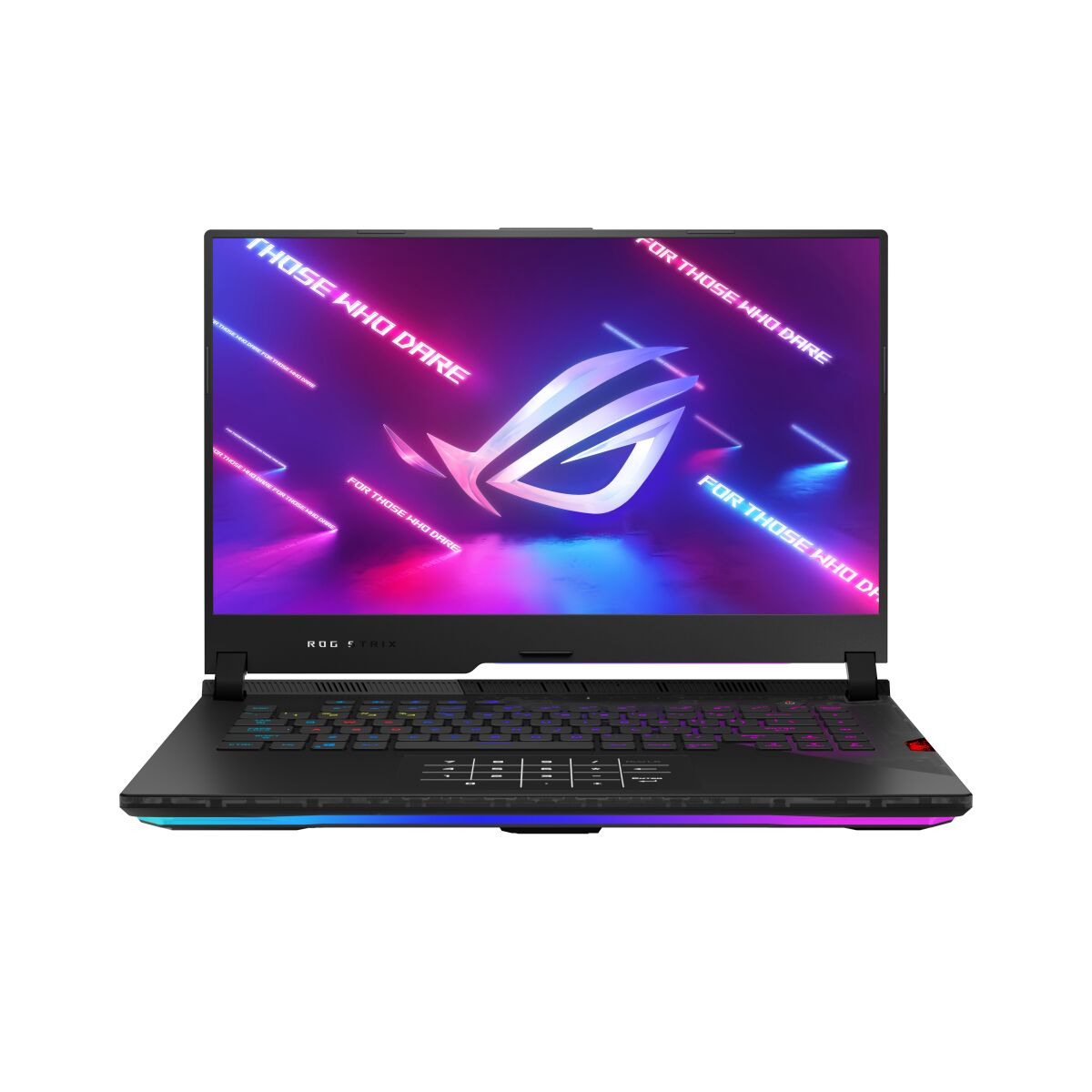
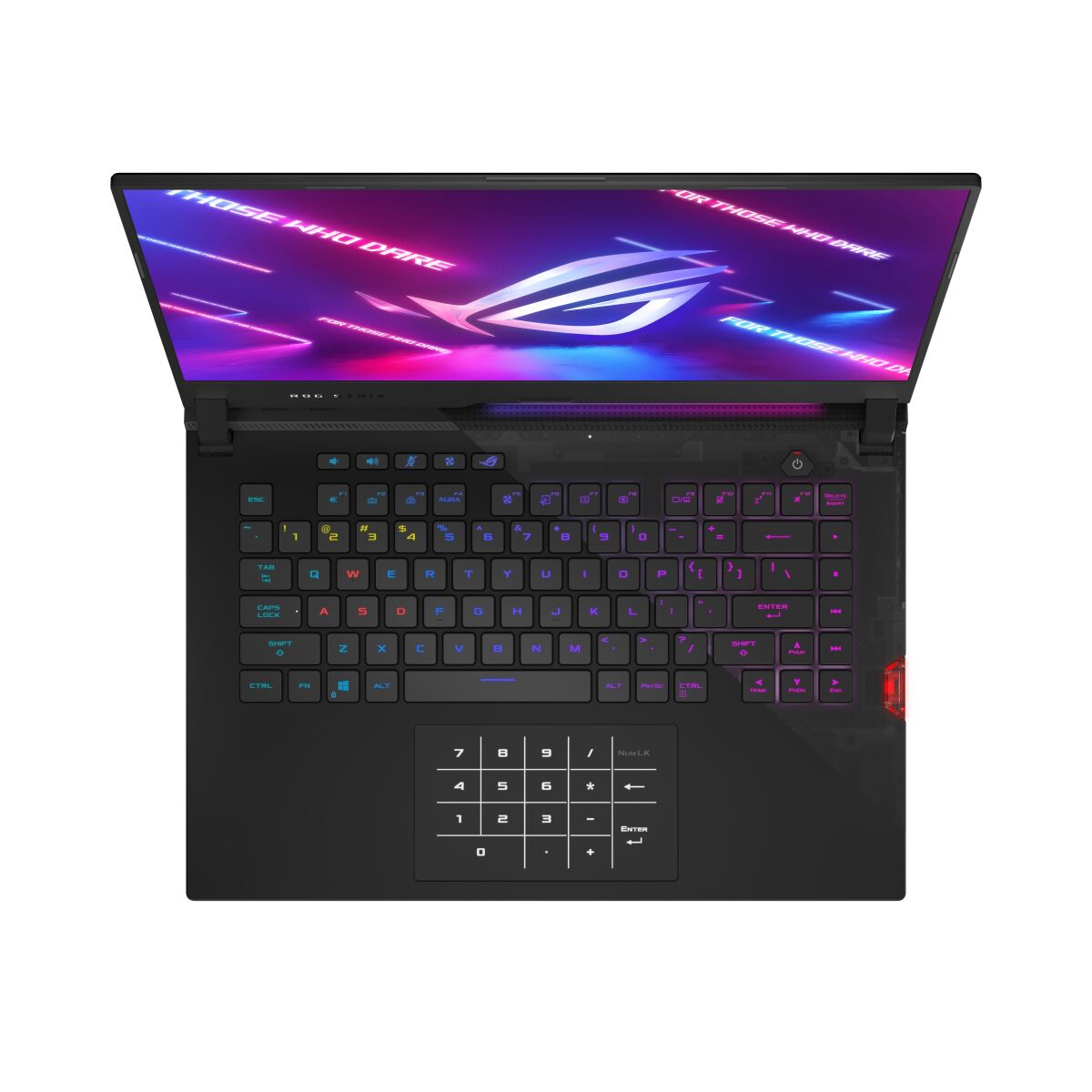



The ASUS ROG Strix SCAR 15 G533QM-HF005T features DDR4-SDRAM memory upgradeable through two SO-DIMM slots. Maximum memory capacity reaches 64 GB total, with compatible modules operating at 3200 MHz frequency. Specifications indicate DDR4 SO-DIMM form factor compatibility for memory expansion and RAM upgrade configurations on this gaming laptop model.
Memory Upgrade Specifications
| Specification | Value |
|---|---|
| Memory slots | 2x SO-DIMM |
| Form factor | SO-DIMM |
| Memory type | DDR4-SDRAM |
| Frequency | 3200 MHz |
| Maximum RAM | 64 GB |
| Voltage | 1.2V |
| Number of pins | 260-pin |
| Interface | PC4 |
| PC Speed Rating | PC4-3200 (PC4-25600) |
| Bandwidth | 25.6 GB/s |
| Laptop Release date | 02 February 2021 |
Additional Notes
- The ASUS ROG G533QM-HF005T accommodates DDR4-3200 SO-DIMM modules exclusively, restricting upgrade options to laptop-specific memory incompatible with desktop systems or older DDR3 hardware.
- Dual SO-DIMM slots permit symmetric population up to 64 GB total capacity, achievable through 2x32 GB configuration; asymmetric pairing (16 GB + 32 GB) triggers single-channel fallback on one module, degrading bandwidth efficiency by approximately 50 percent.
- The 3200 MHz specification requires voltage-regulated DDR4 modules rated for 1.2V operation; consumer-grade DDR4-3200 sticks often exceed this tolerance, risking POST failures or data corruption without vendor validation.
- SO-DIMM mechanical constraints necessitate removal of bottom panel access covers; user-accessible installation typically remains warranty-safe provided electrostatic precautions are observed and original modules are retained for diagnostics.
- Latency performance remains dependent on CAS rating and Samsung/Micron die selection within DDR4-3200 supply; identical frequency ratings exhibit measurable variance in real-world transfer rates and application responsiveness.
- Upgrading from factory baseline configurations to 64 GB maximum introduces thermal load increases across SODIMM slots; sustained multi-threaded workloads may require thermal throttling mitigation through airflow optimization or repasting adjacent chipset areas.