ASUS ROG G533QS-DS98 RAM upgrade specifications
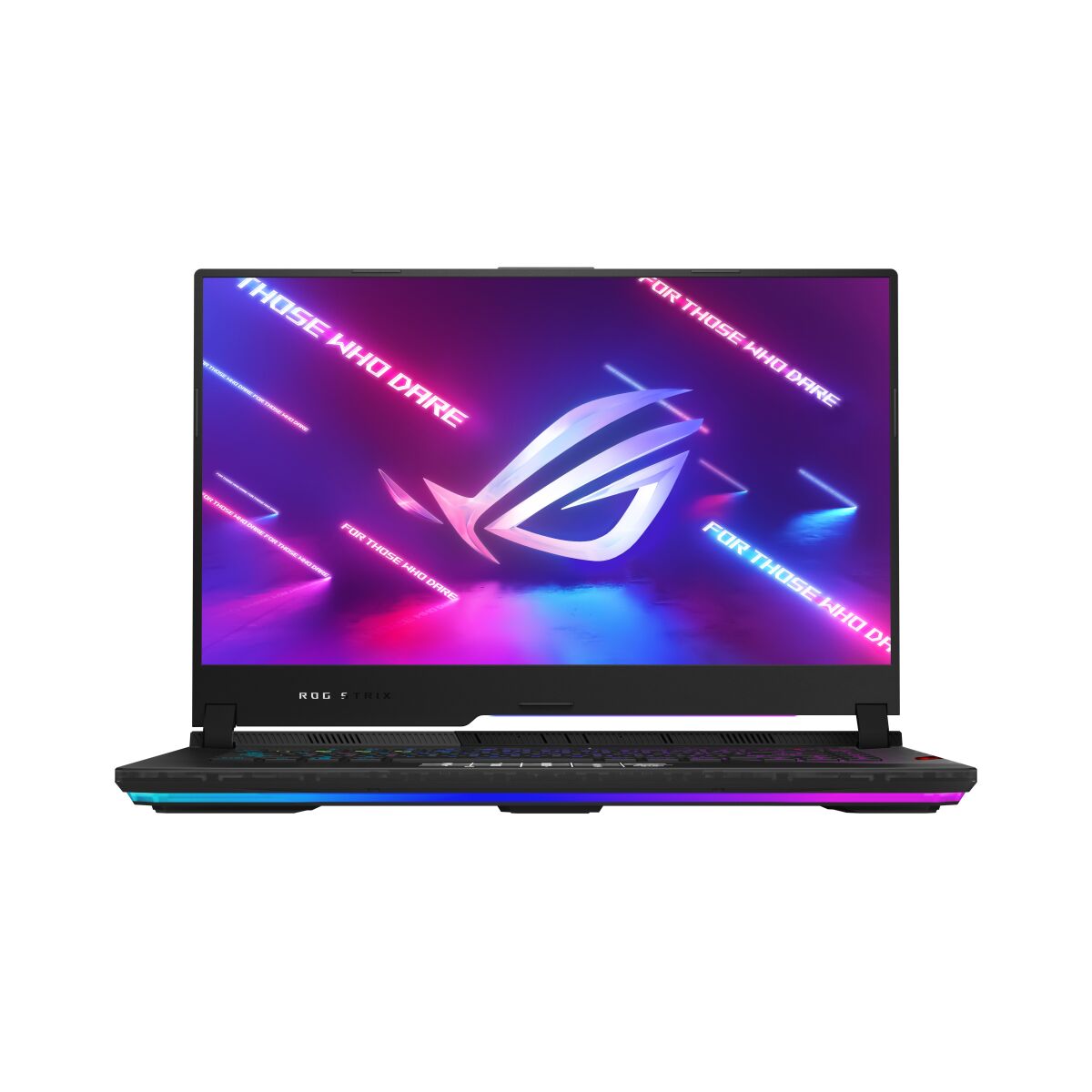
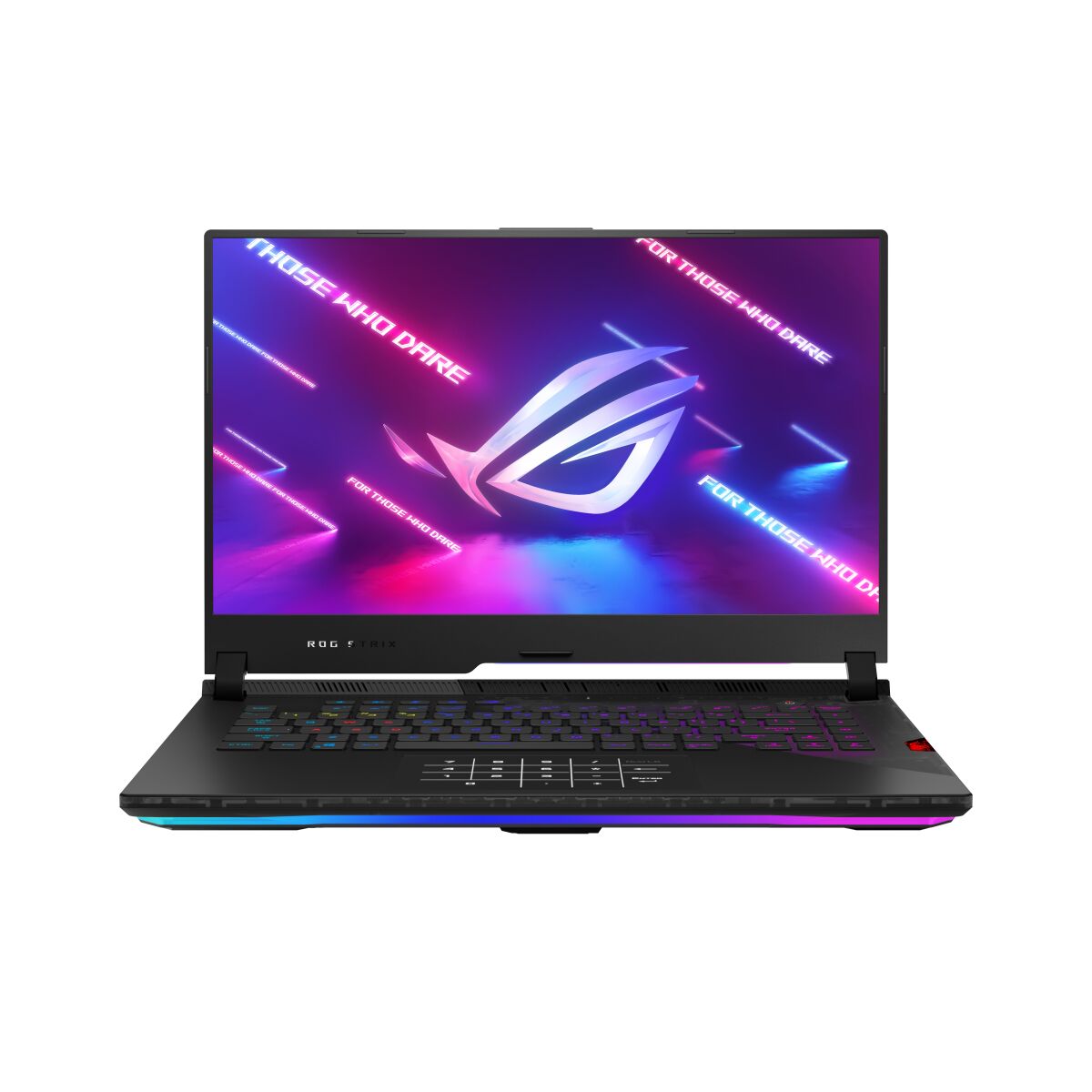
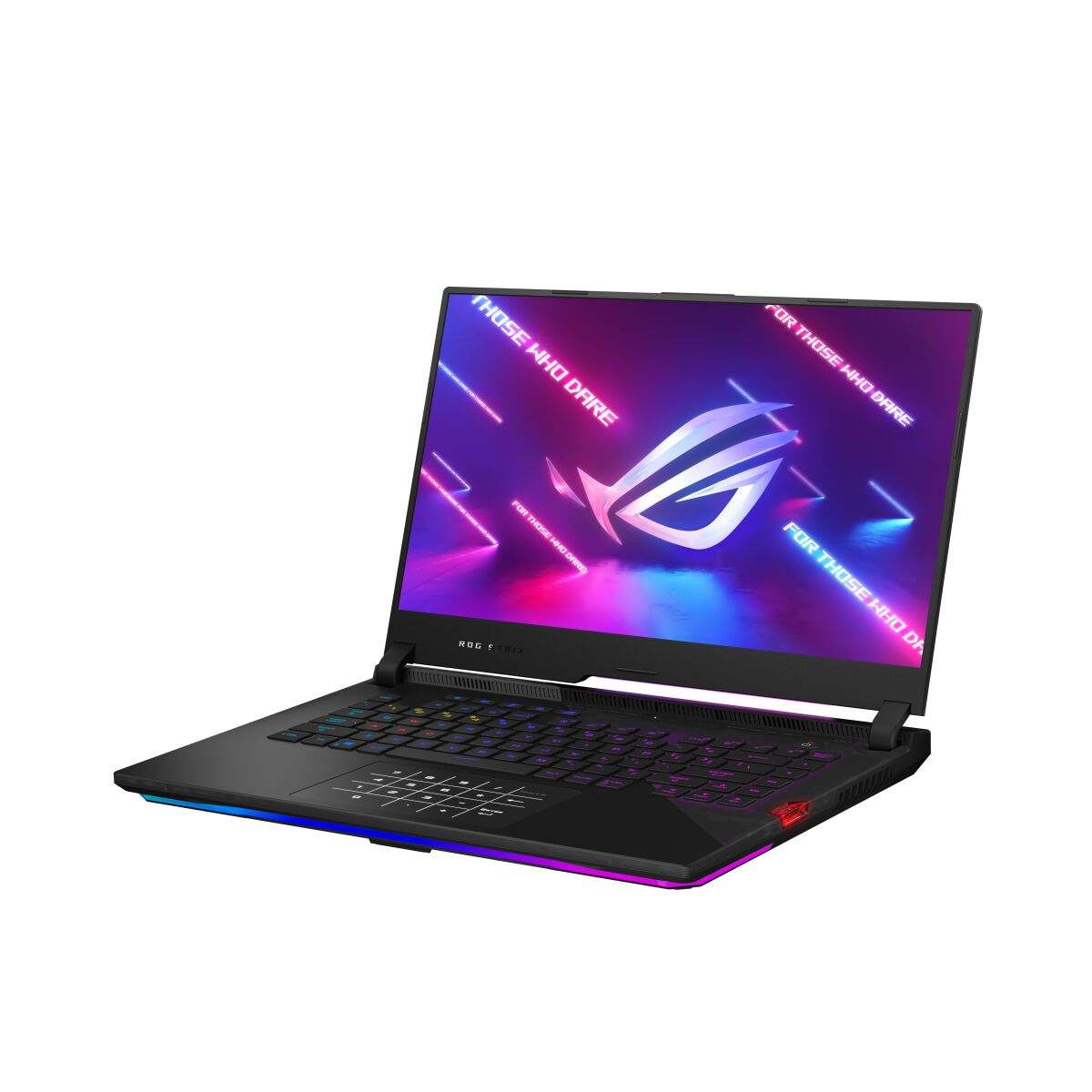
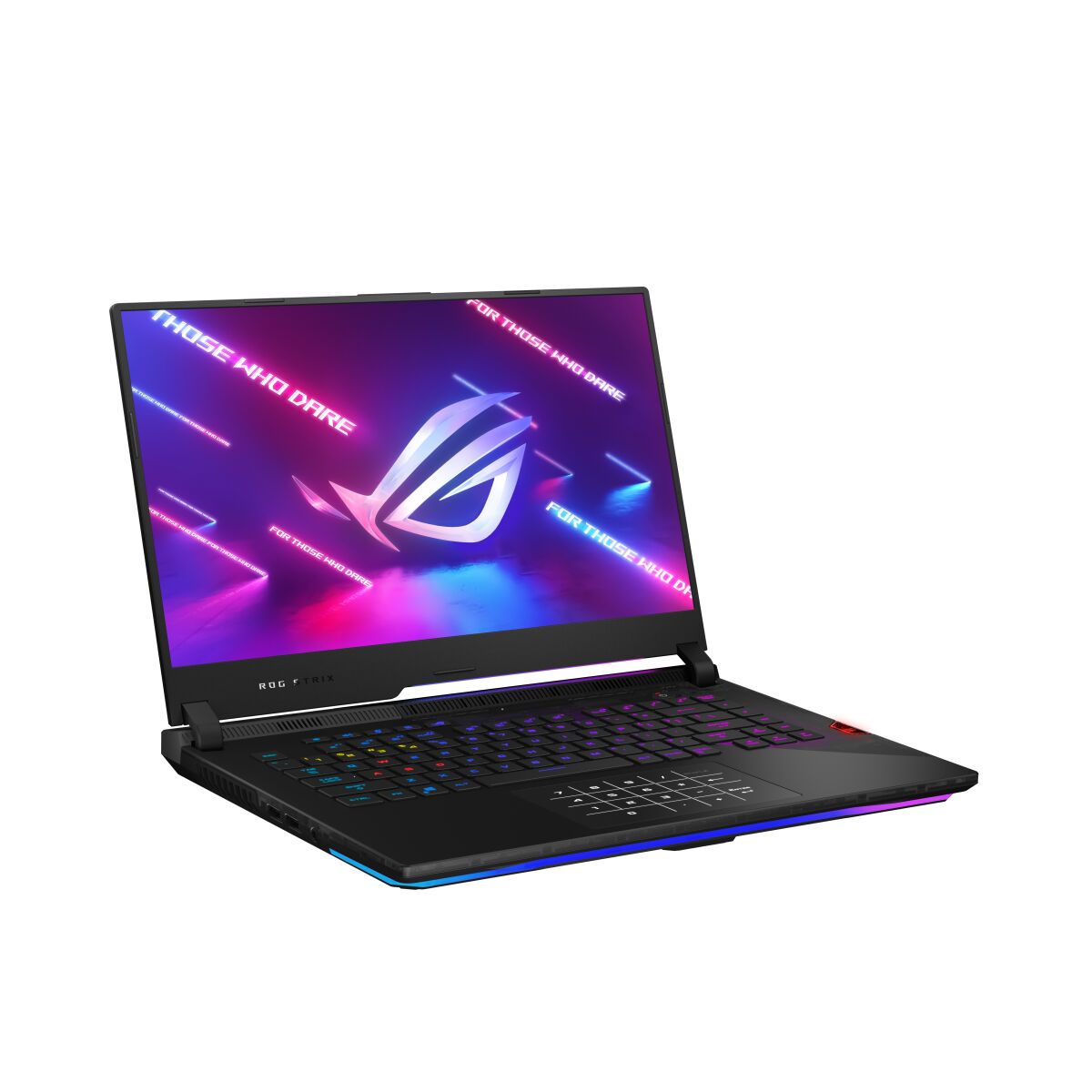
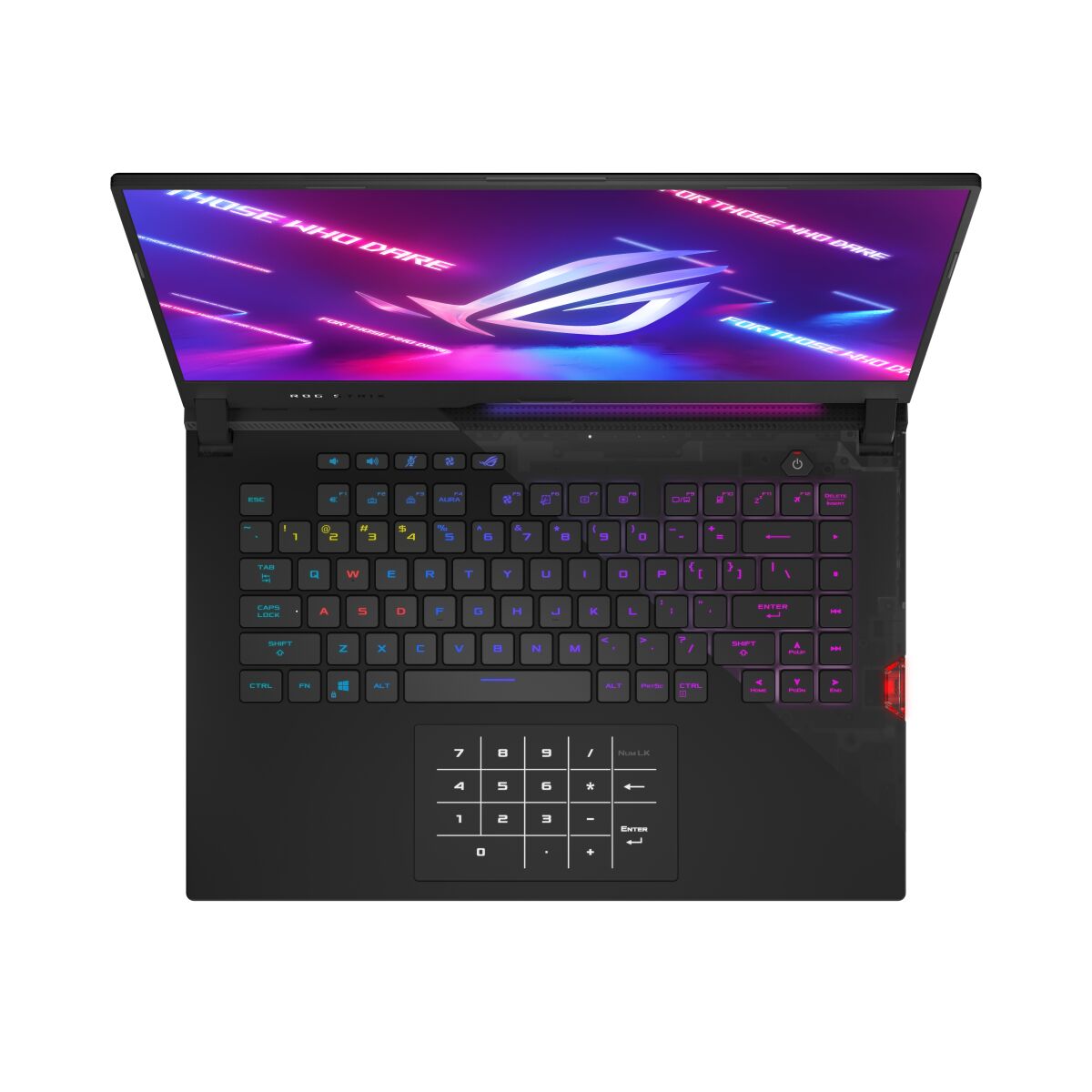
ASUS ROG Strix SCAR 15 G533QS-DS98 laptop memory upgrade specifications include two SO-DIMM slots supporting DDR4-SDRAM memory at 3200 MHz frequency. Maximum RAM capacity reaches 32 GB total. Compatible memory modules must match SO-DIMM form factor specifications for proper installation in available upgrade slots. Current configuration supports DDR4 memory technology with stated frequency parameters for optimal performance compatibility.
Memory Upgrade Specifications
| Specification | Value |
|---|---|
| Memory slots | 2x SO-DIMM |
| Form factor | SO-DIMM |
| Memory type | DDR4-SDRAM |
| Frequency | 3200 MHz |
| Maximum RAM | 32 GB |
| Voltage | 1.2V |
| Number of pins | 260-pin |
| Interface | PC4 |
| PC Speed Rating | PC4-3200 (PC4-25600) |
| Bandwidth | 25.6 GB/s |
| Laptop Release date | 16 April 2021 |
Additional Notes
- The ASUS ROG G533QS-DS98 accepts only SO-DIMM modules, which eliminates standard desktop DIMM compatibility and requires purchasers to verify module height clearance within the laptop chassis before installation.
- The 32 GB maximum capacity indicates a per-slot limitation of 16 GB when both slots are populated, preventing the use of higher-density 32 GB modules even if they match other specifications.
- DDR4-3200 represents the maximum validated frequency for this platform, meaning modules rated above 3200 MHz will downclock to this speed and provide no performance advantage despite higher cost.
- The dual-channel configuration requires matched module pairs for optimal memory interleaving, as mismatched capacities or timings will force single-channel operation and reduce bandwidth to approximately half the potential throughput.
- SO-DIMM DDR4 modules operate at 1.2V standard voltage, and low-voltage variants designed for different platforms may cause stability issues or POST failures if installed.
- The 3200 MHz specification implies JEDEC or XMP profile support, but XMP activation may require BIOS settings adjustment and is not guaranteed on all laptop platforms despite module compatibility.
- Upgrading beyond 16 GB total capacity necessitates replacing both existing modules rather than adding to a single occupied slot, as asymmetric configurations prevent full dual-channel bandwidth utilization.
- Third-party modules must match the 260-pin SO-DIMM standard specific to DDR4 laptop memory, as physically similar DDR3 SO-DIMMs use incompatible keying and voltage requirements.
- The memory controller's 3200 MHz ceiling means CAS latency becomes the primary differentiator between modules at this frequency, with CL22 being common and CL20 or lower providing marginal latency improvements.