ASUS ROG G533QS-HF009T RAM upgrade specifications
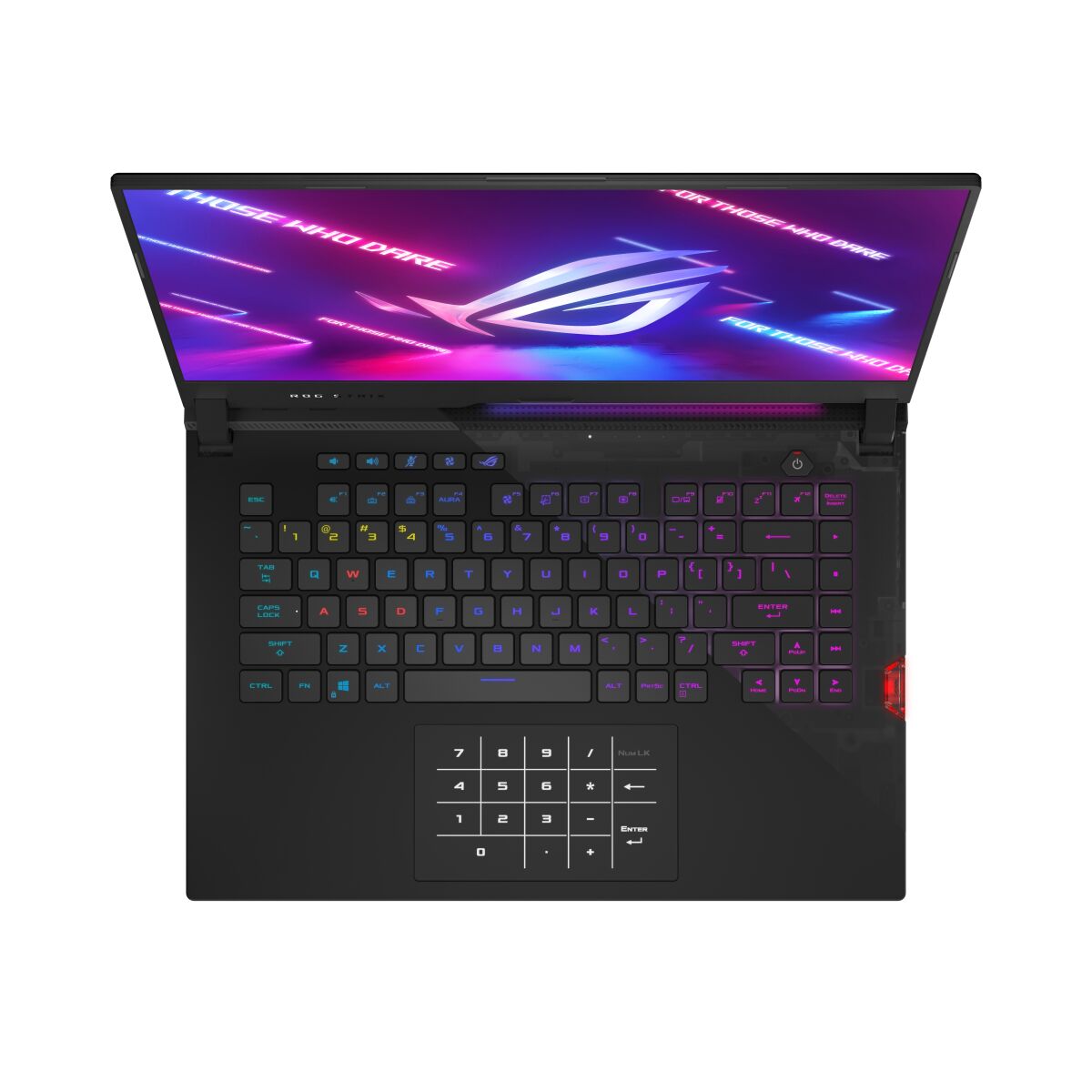

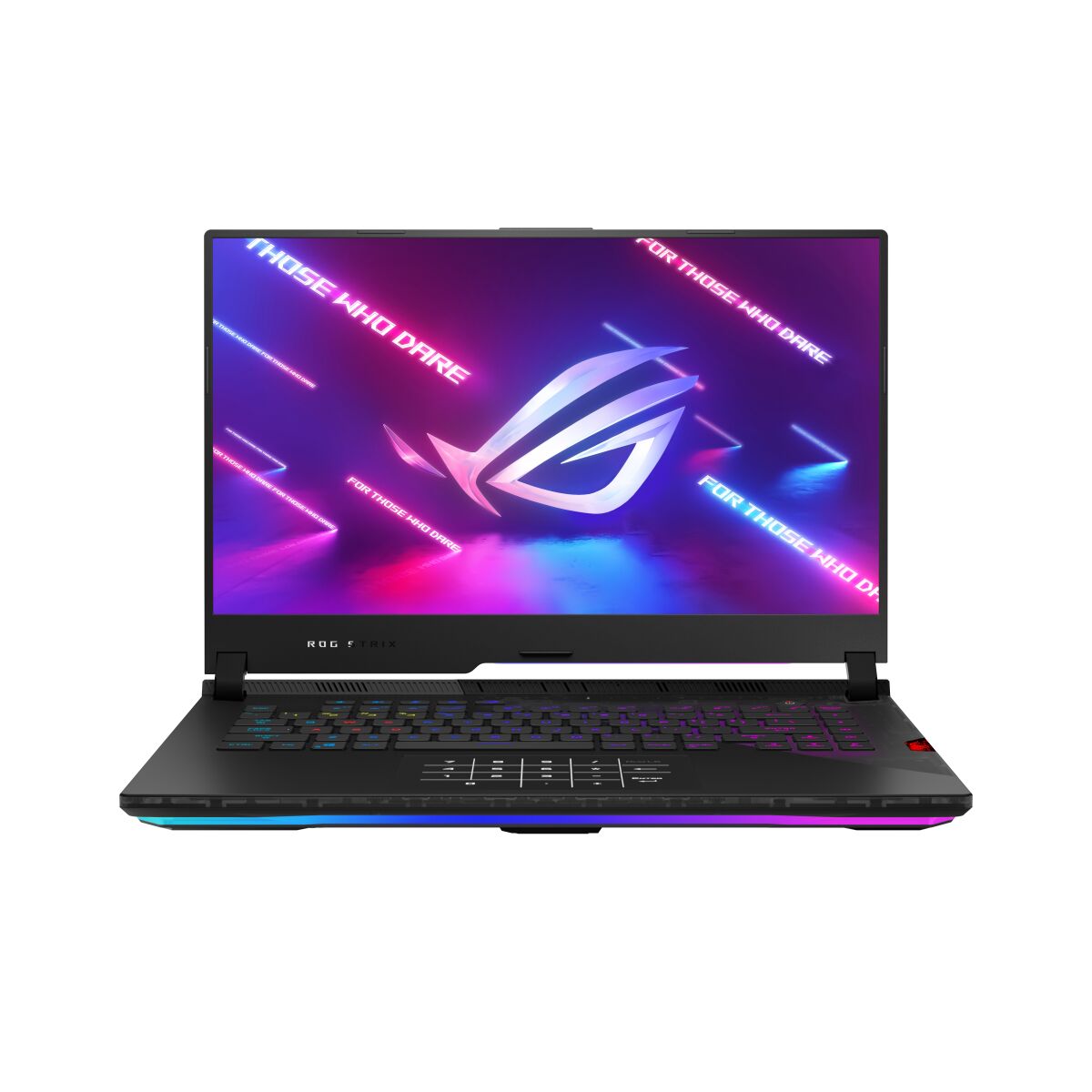
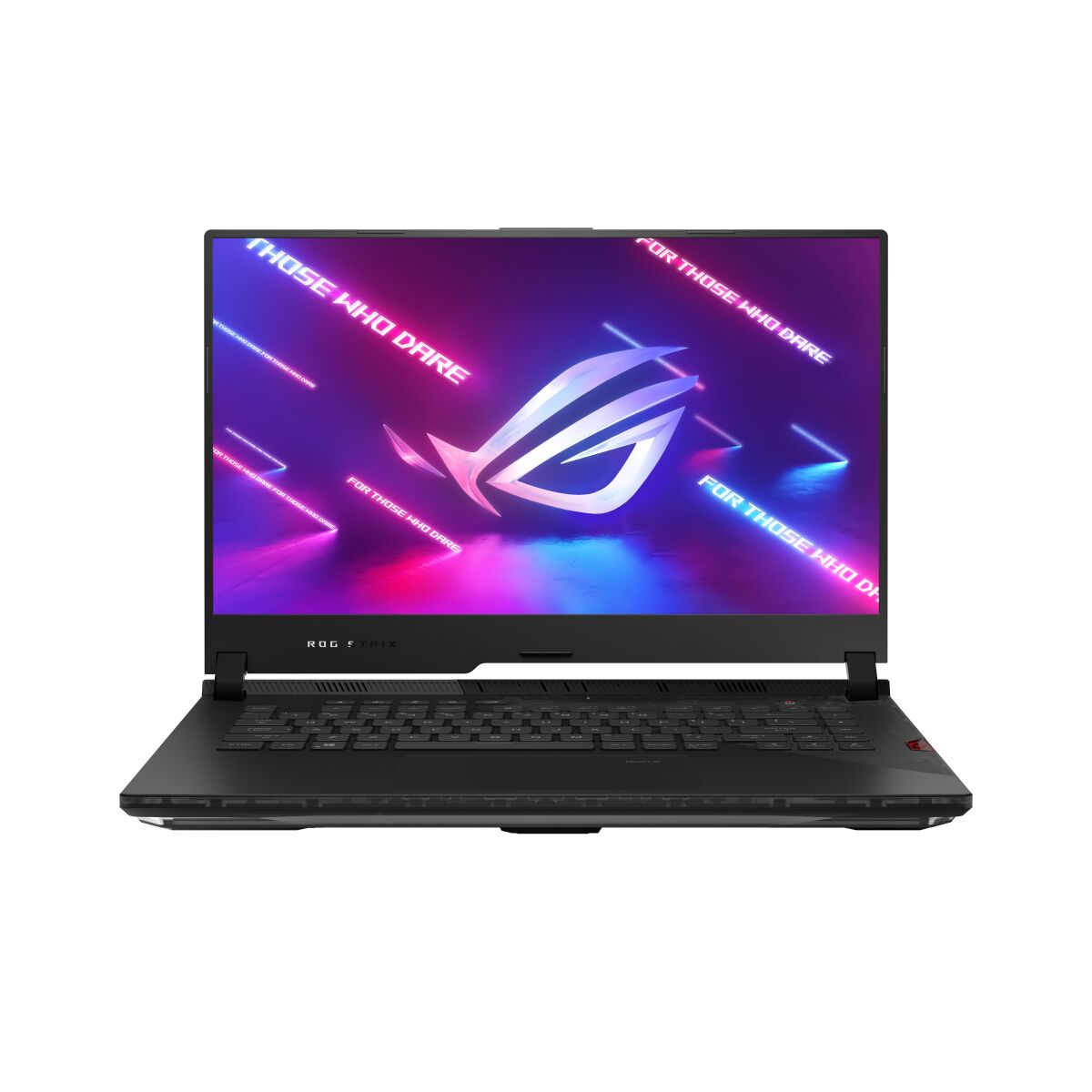
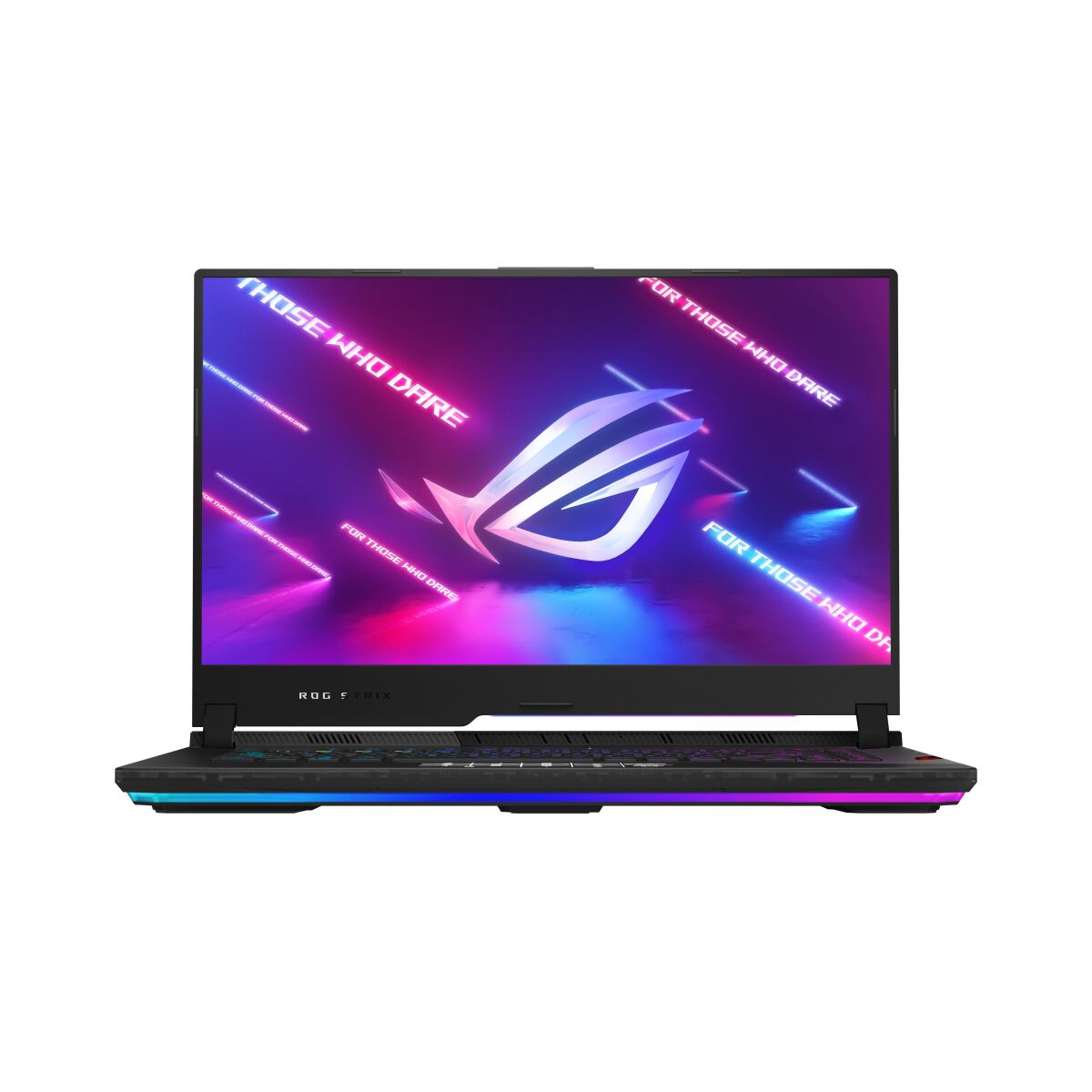
ASUS ROG Strix SCAR 15 G533QS-HF009T laptop accommodates DDR4-SDRAM memory upgrades via two SO-DIMM slots. Maximum supported RAM capacity reaches 64 GB, with compatible memory operating at 3200 MHz frequency. Specifications indicate SO-DIMM form factor modules are required for upgrade compatibility. Current configuration supports DDR4 memory technology with dual-slot architecture enabling memory expansion up to stated maximum specifications.
Memory Upgrade Specifications
| Specification | Value |
|---|---|
| Memory slots | 2x SO-DIMM |
| Form factor | SO-DIMM |
| Memory type | DDR4-SDRAM |
| Frequency | 3200 MHz |
| Maximum RAM | 64 GB |
| Voltage | 1.2V |
| Number of pins | 260-pin |
| Interface | PC4 |
| PC Speed Rating | PC4-3200 (PC4-25600) |
| Bandwidth | 25.6 GB/s |
| Laptop Release date | 12 January 2021 |
Additional Notes
- The ASUS ROG G533QS-HF009T accommodates only 2 SO-DIMM slots, creating a symmetrical upgrade constraint; asymmetrical configurations (one 16 GB and one 32 GB module, for example) function but trigger performance penalties due to single-channel operation on the smaller capacity stick.
- DDR4-3200 MHz compatibility establishes a ceiling for memory bus speed; modules rated DDR4-3600 or higher will downclock to 3200 MHz, eliminating the performance advantage of faster specifications while adding unnecessary cost.
- The 64 GB maximum capacity requires both slots to hold 32 GB SO-DIMM modules; this configuration remains within DDR4 JEDEC standards but depends on BIOS support validation, as firmware revisions occasionally restrict maximum module density recognition.
- SO-DIMM form factor is exclusive to this chassis; standard desktop DDR4-DIMM modules are physically incompatible and cannot be adapted, making laptop-specific procurement mandatory.
- Upgrading from factory configuration to 64 GB involves replacing existing modules entirely; retention of the original memory does not provide hybrid upgrade value, as mismatched capacities degrade performance more severely than uniform configurations.
- Dual-channel bandwidth utilization requires both slots to be populated; single-module configurations, even at 32 GB, deliver approximately 50% of available memory throughput compared to matched dual-module setups.