ASUS ROG G533QS-HF017T RAM upgrade specifications
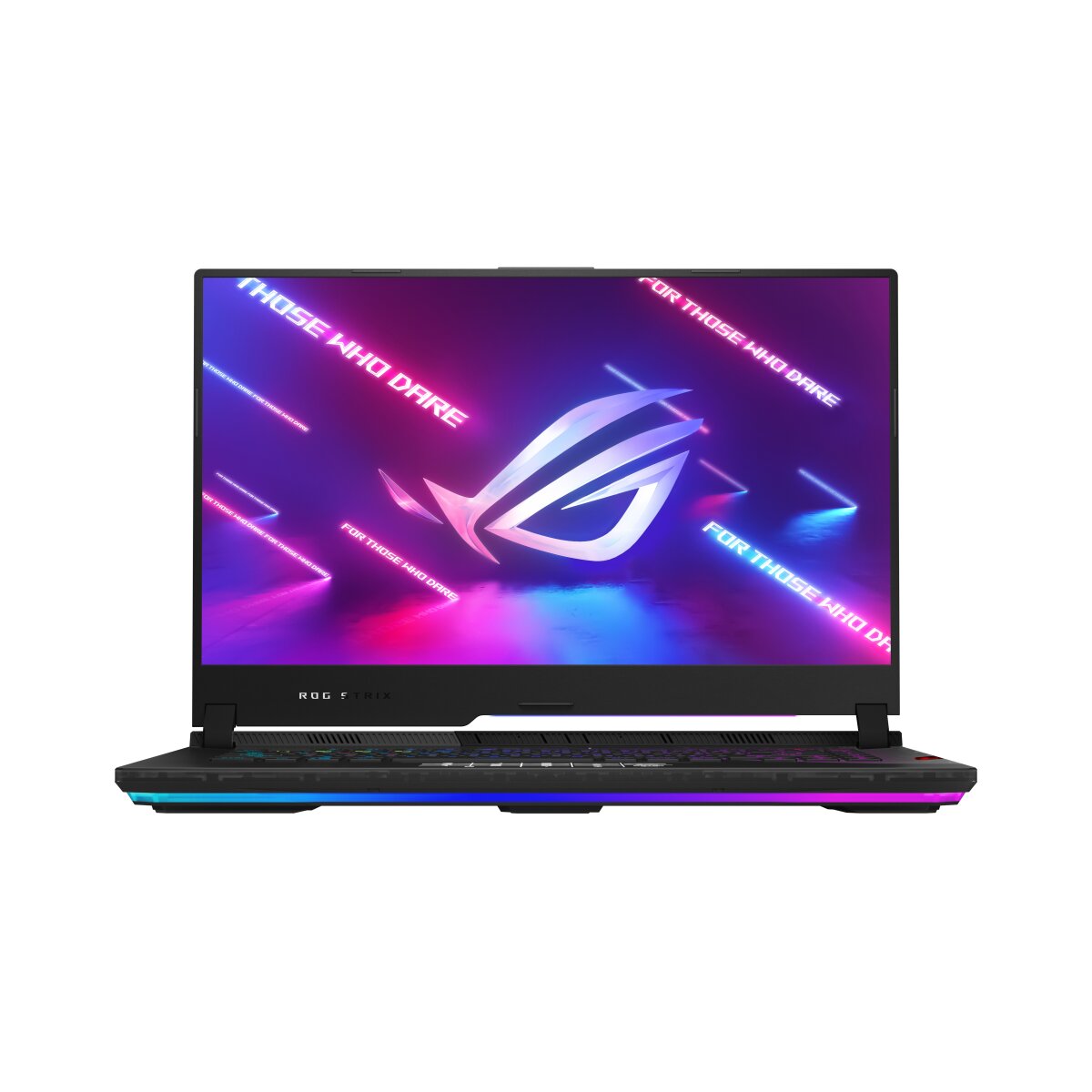
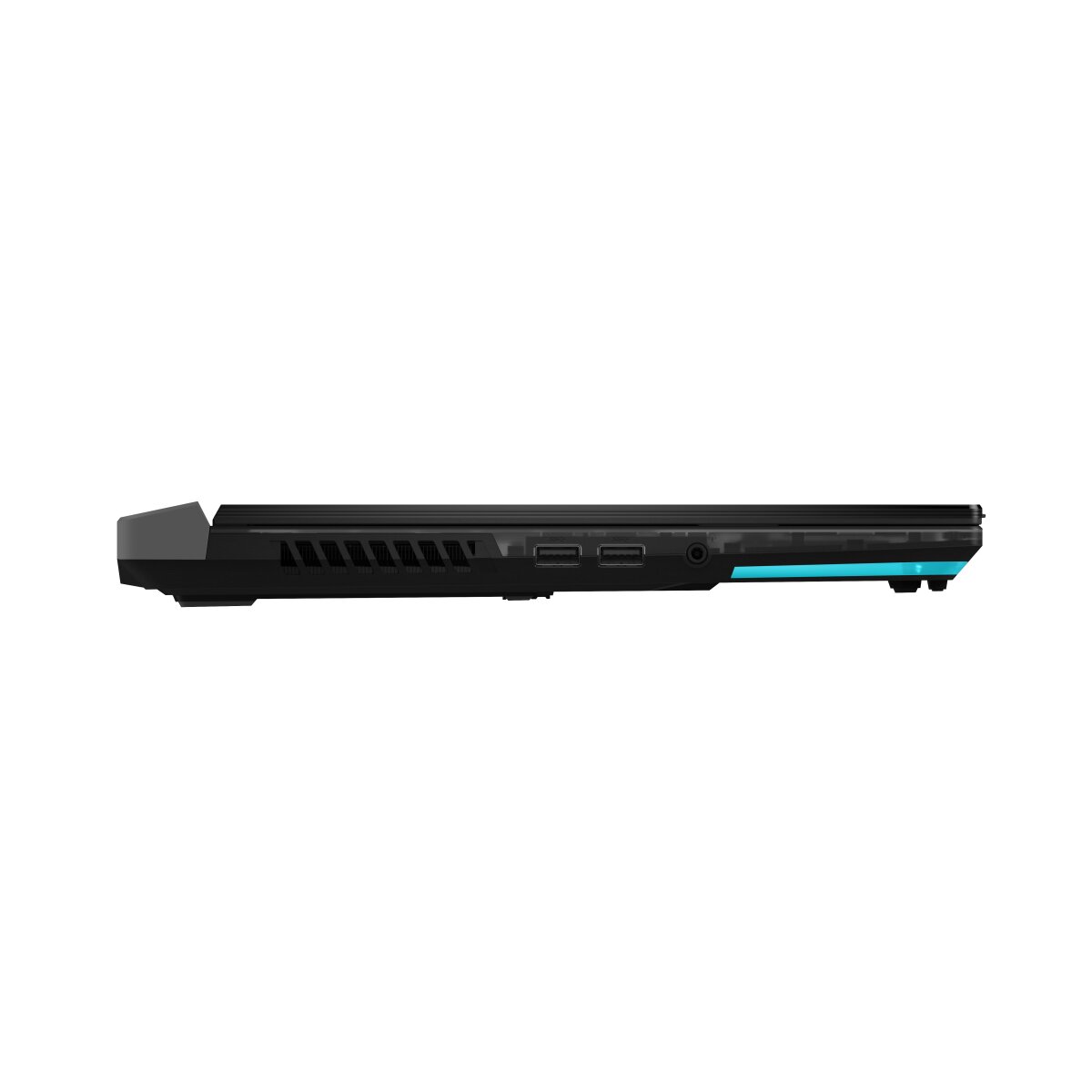
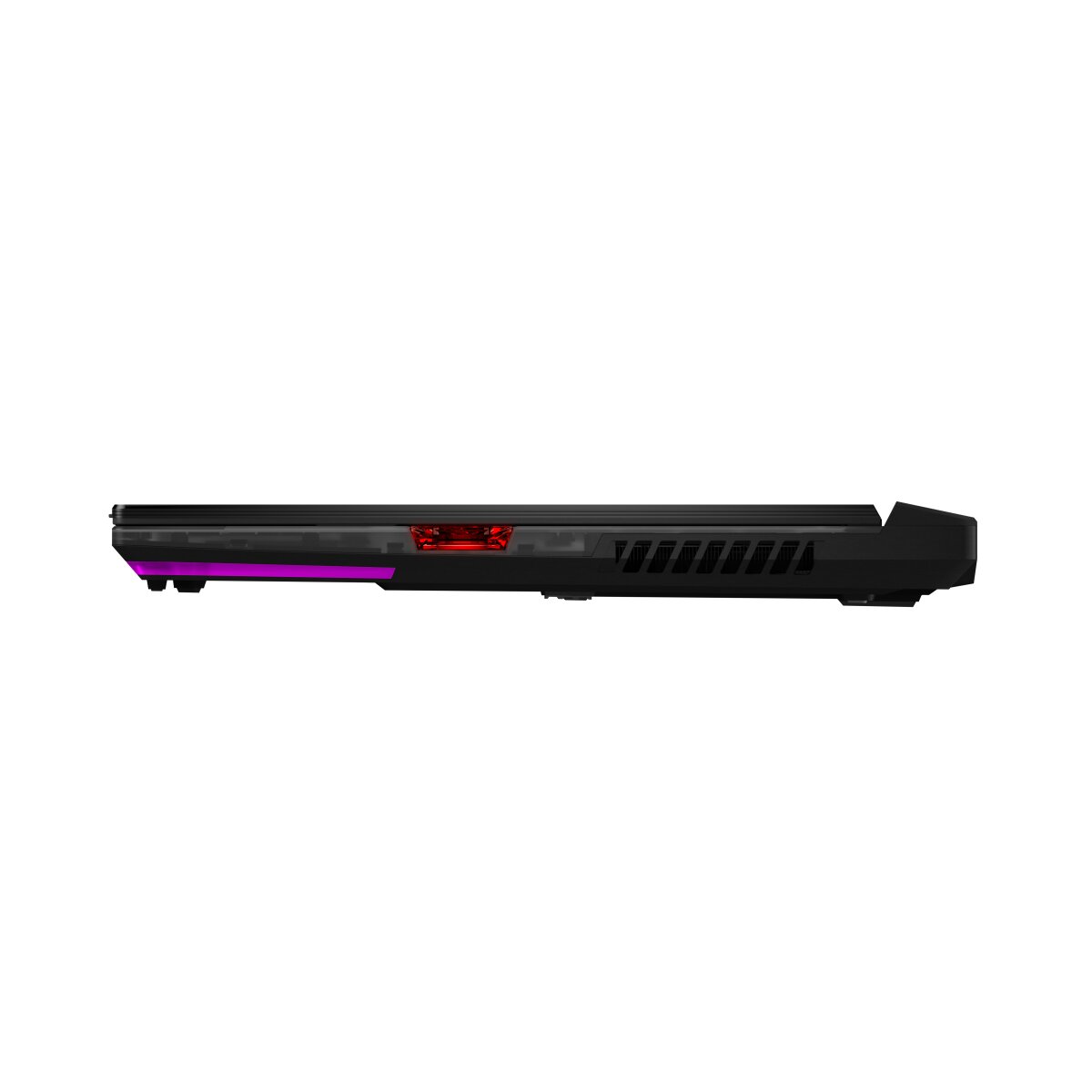
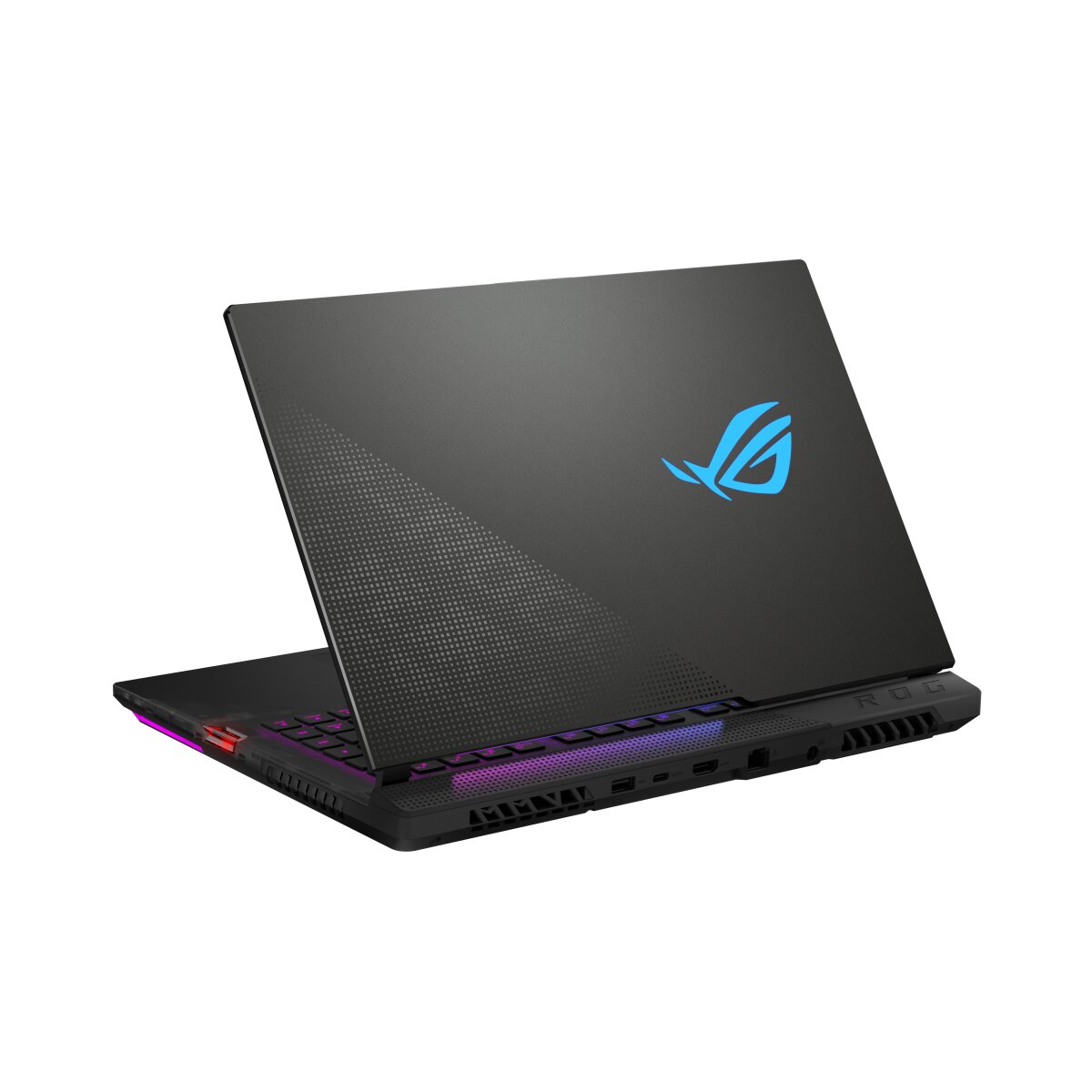
ASUS ROG Strix SCAR 15 model G533QS-HF017T supports DDR4-SDRAM memory upgrades with two SO-DIMM slots. Maximum RAM capacity reaches 64 GB total. Compatible memory operates at 3200 MHz frequency with SO-DIMM form factor. Specifications indicate upgrade potential for enhanced multitasking and performance-intensive applications on this gaming laptop configuration.
Memory Upgrade Specifications
| Specification | Value |
|---|---|
| Memory slots | 2x SO-DIMM |
| Form factor | SO-DIMM |
| Memory type | DDR4-SDRAM |
| Frequency | 3200 MHz |
| Maximum RAM | 64 GB |
| Voltage | 1.2V |
| Number of pins | 260-pin |
| Interface | PC4 |
| PC Speed Rating | PC4-3200 (PC4-25600) |
| Bandwidth | 25.6 GB/s |
| Laptop Release date | 14 December 2021 |
Additional Notes
- The ASUS ROG G533QS-HF017T accepts only DDR4-SDRAM modules, making DDR3 or DDR5 memory physically and electrically incompatible with the system.
- The 3200 MHz specification represents the maximum officially supported frequency, with higher-speed modules automatically downclocked to this ceiling regardless of their rated specifications.
- SO-DIMM form factor requires laptop-specific memory modules, as standard desktop DIMM modules will not physically fit the system's memory slots.
- The 64 GB maximum capacity limit enforces a 32 GB per slot configuration when reaching full capacity, requiring dual-rank modules at higher densities.
- Dual-channel architecture necessitates matched memory pairs for optimal bandwidth utilization, with asymmetric configurations forcing single-channel operation and halving theoretical throughput.
- Both memory slots occupy soldered positions on the motherboard, requiring complete system disassembly and potential warranty implications depending on regional consumer protection laws.
- Memory module height constraints typical of gaming laptops may reject certain aftermarket modules with oversized heat spreaders or non-standard PCB designs.
- The 3200 MHz frequency operates at JEDEC standard timings unless XMP profiles are supported by the system BIOS, with no guarantee of automatic profile activation.
- Mixing memory modules with different speeds forces the system to operate all modules at the lowest common frequency, creating performance degradation.
- Single-slot population at 32 GB requires waiting for higher-density module availability, as current market offerings may limit immediate upgrade paths to full dual-slot configurations.