ASUS ROG G533QS-HF044T RAM upgrade specifications
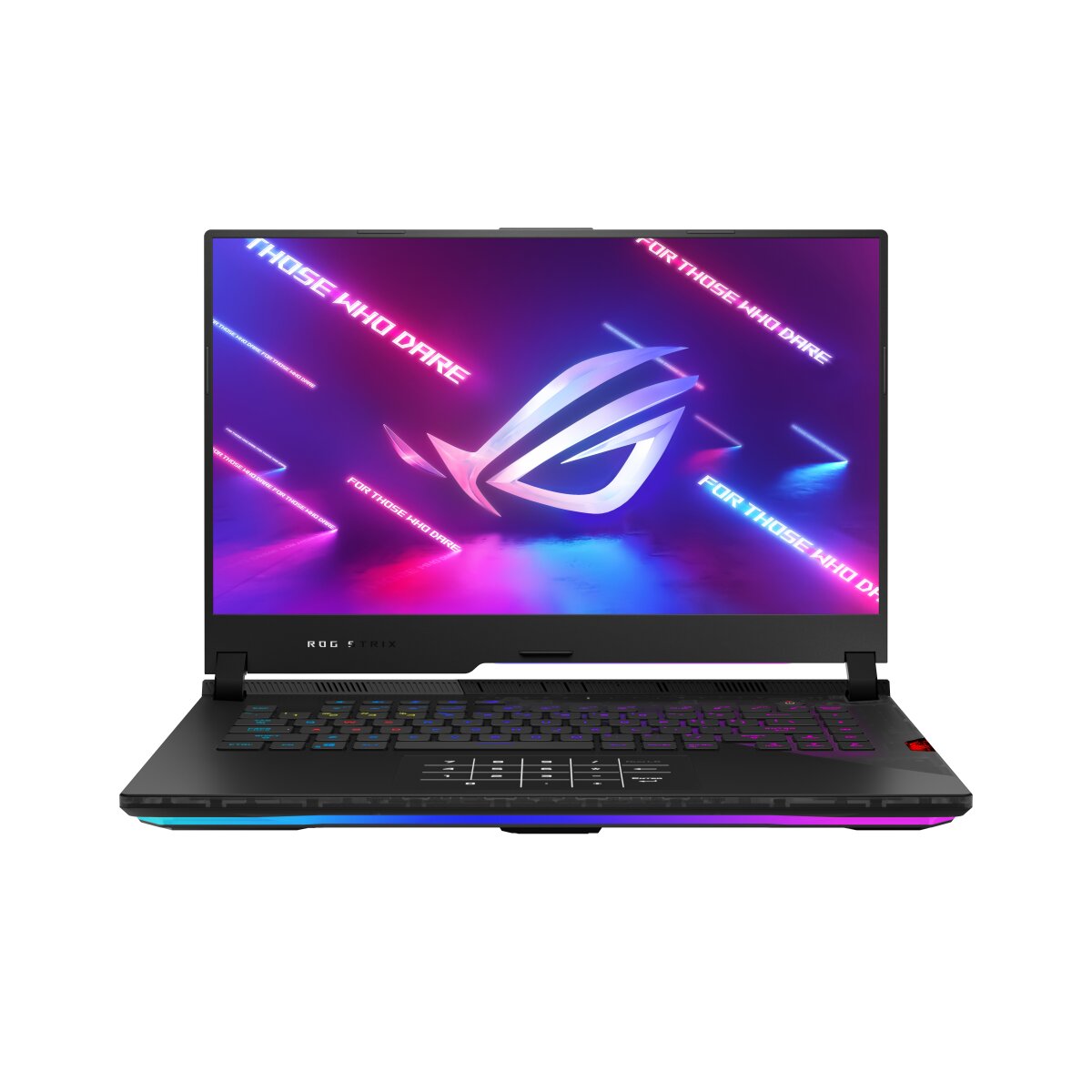
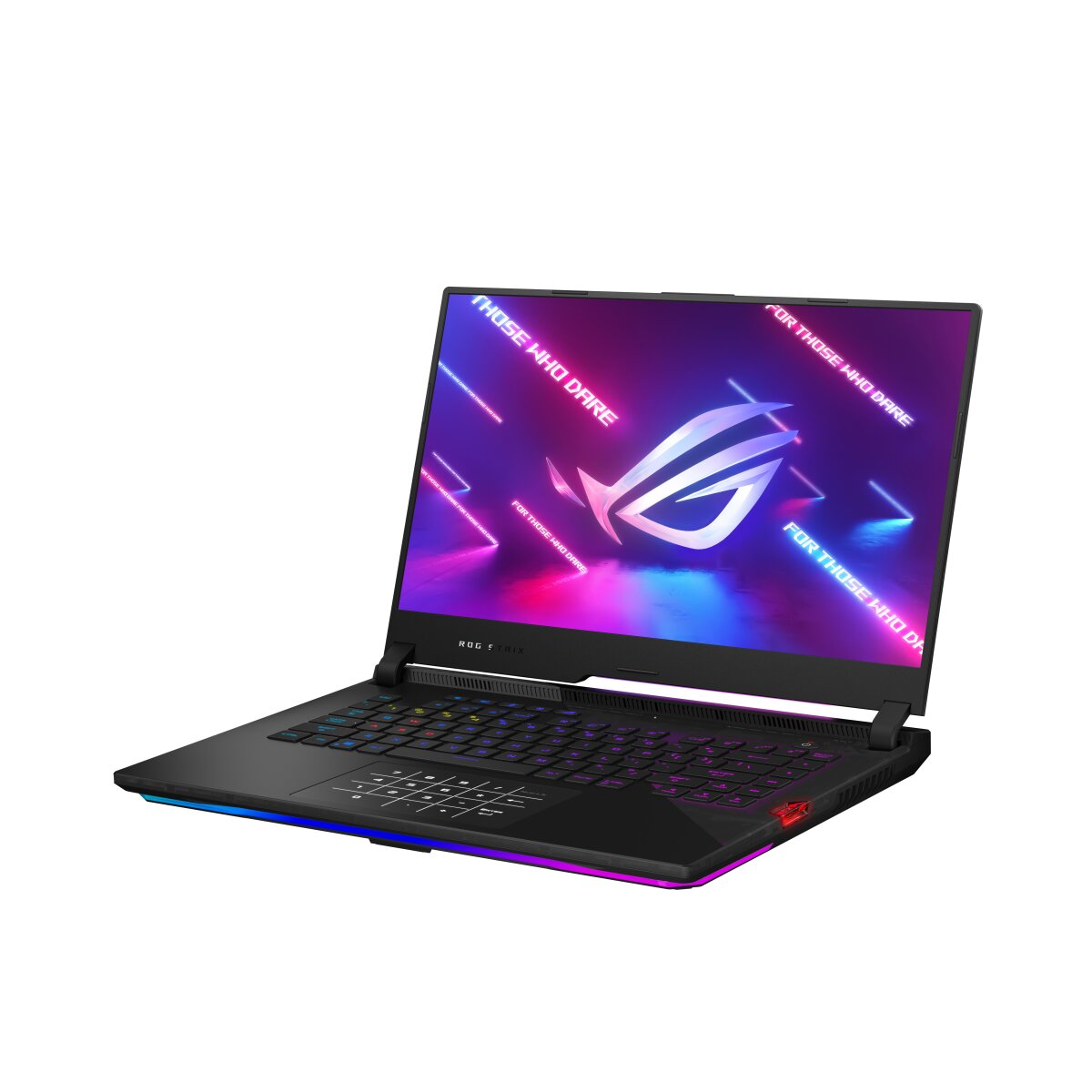
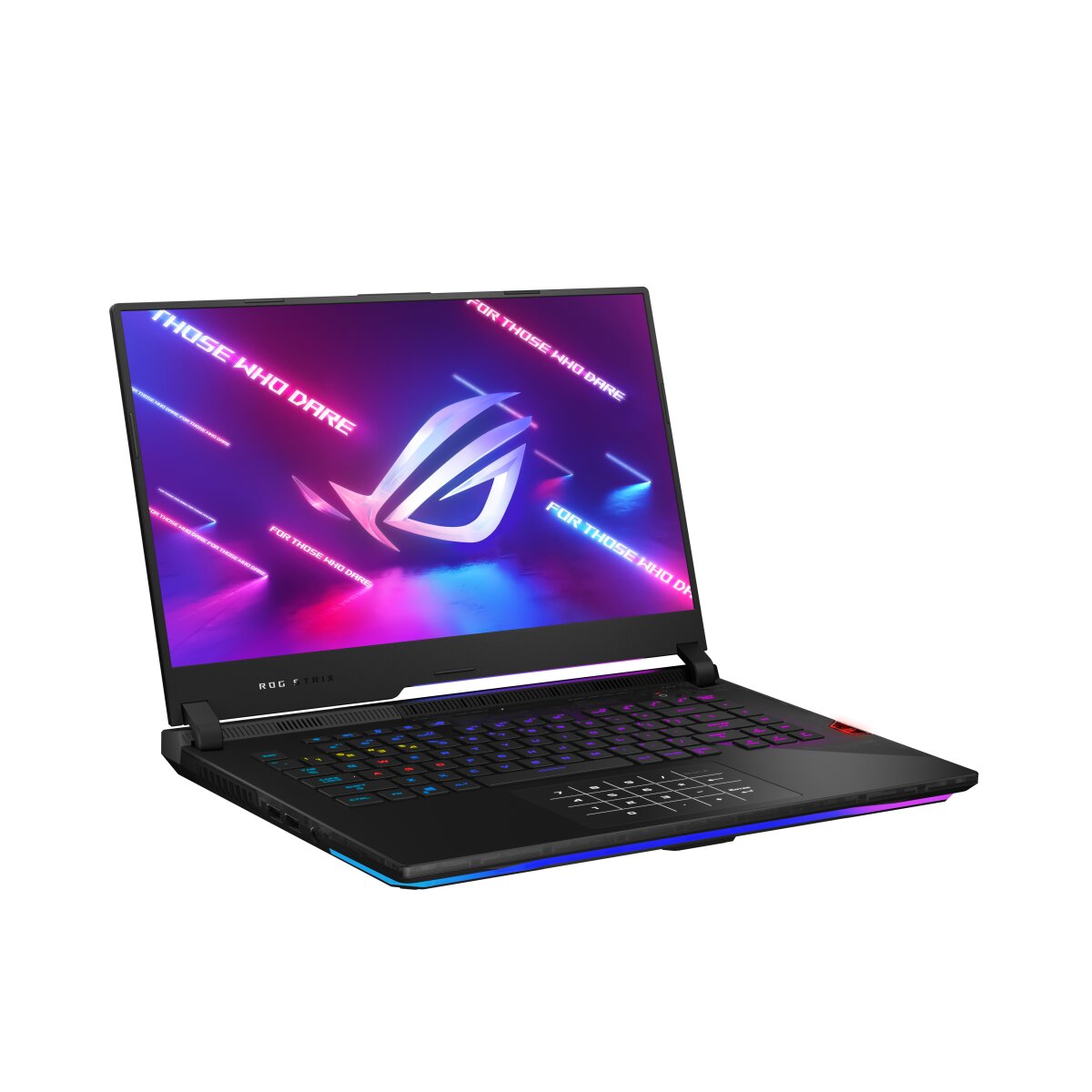
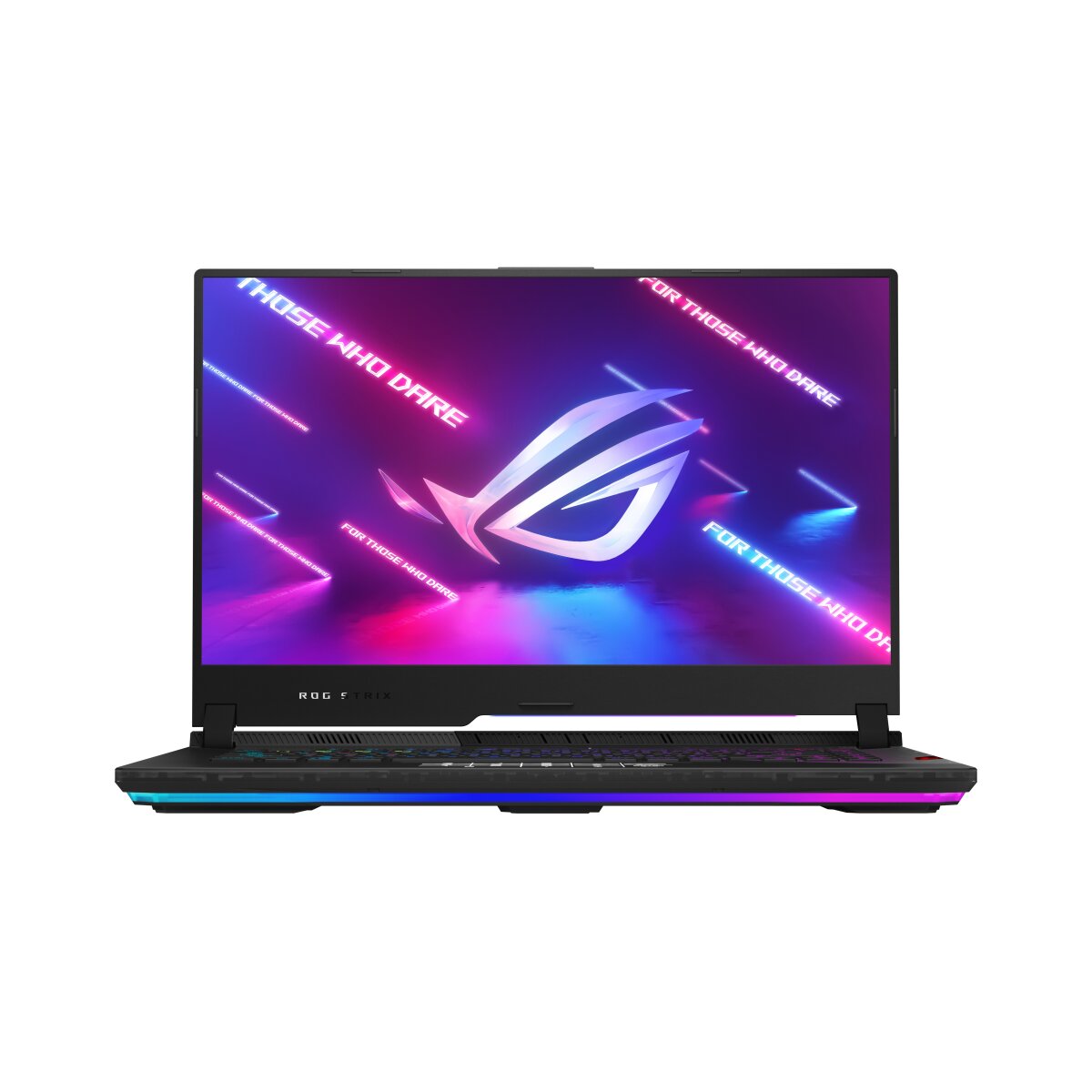
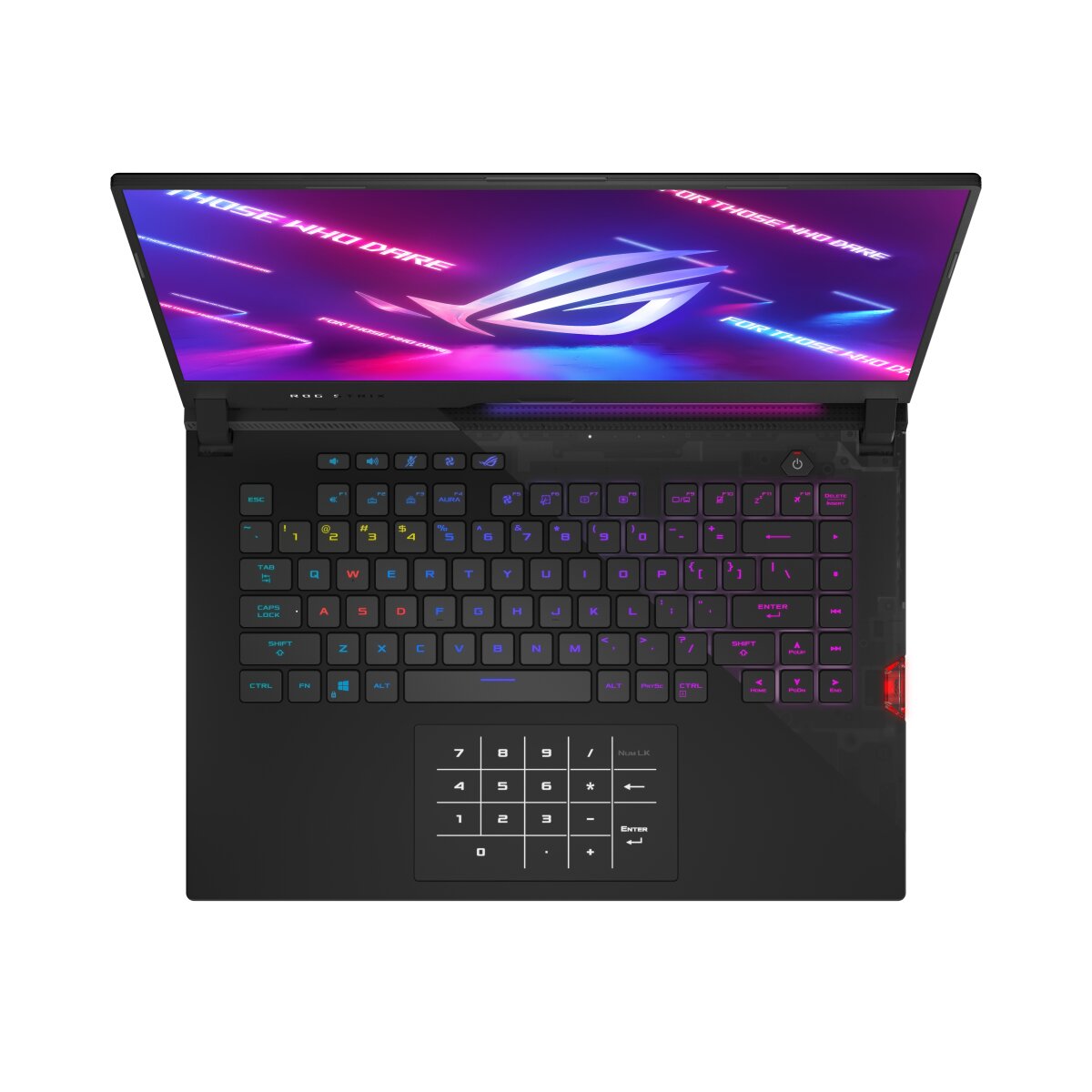
ASUS ROG Strix SCAR 15 model G533QS-HF044T features DDR4-SDRAM memory configuration with two SO-DIMM slots supporting maximum capacity of 64 GB RAM. Upgrade specifications include DDR4-3200 MHz frequency compatibility. Memory specifications accommodate SO-DIMM form factor modules for compatible RAM upgrades and replacements on this gaming laptop model.
Memory Upgrade Specifications
| Specification | Value |
|---|---|
| Memory slots | 2x SO-DIMM |
| Form factor | SO-DIMM |
| Memory type | DDR4-SDRAM |
| Frequency | 3200 MHz |
| Maximum RAM | 64 GB |
| Voltage | 1.2V |
| Number of pins | 260-pin |
| Interface | PC4 |
| PC Speed Rating | PC4-3200 (PC4-25600) |
| Bandwidth | 25.6 GB/s |
| Laptop Release date | 29 September 2021 |
Additional Notes
- The ASUS ROG G533QS-HF044T accommodates DDR4-3200 SO-DIMM modules only; DDR5 or desktop DIMM formats are physically incompatible with the 2 slot architecture.
- Maximum addressable capacity of 64 GB requires 2x32 GB SO-DIMM modules; single-channel configuration or mixed capacities will reduce available memory bandwidth and increase latency overhead.
- Third-party DDR4-3200 SO-DIMM modules must meet SO-DIMM height specifications (typically 30 mm standard) to clear internal thermal management components; oversized heatspreaders may obstruct adjacent slot access during installation.
- Dual-channel operation at 3200 MHz depends on matched module pairs; mismatched speeds, timings, or CAS latencies will force the system to downclock both modules to the lower specification, reducing sustained bandwidth by up to 15 percent.
- Memory frequency negotiation occurs through SPD data during POST; non-standard or aftermarket modules lacking proper JEDEC profiling may fail to initialize at rated 3200 MHz, defaulting to 2666 MHz or below.
- Factory warranty coverage remains intact for DDR4-3200 SO-DIMM upgrades from recognized manufacturers; replacement of factory memory with incompatible form factors or non-standard specifications may void memory-related coverage.
- The 2 slot constraint prevents incremental capacity scaling; full memory replacement rather than additive expansion is the only path to exceed current installed capacity without removing existing modules.