ASUS ROG G533QS-HF099T RAM upgrade specifications
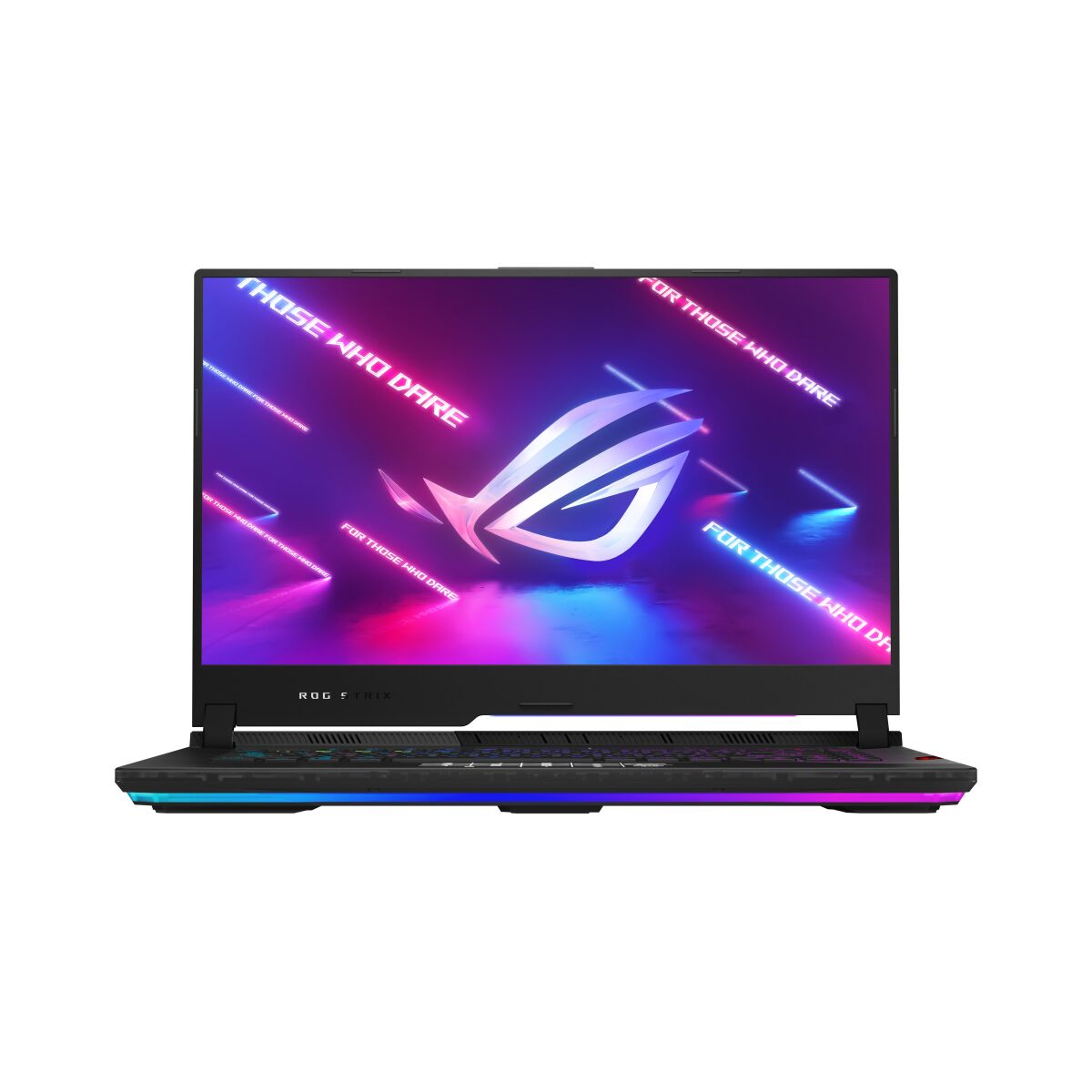
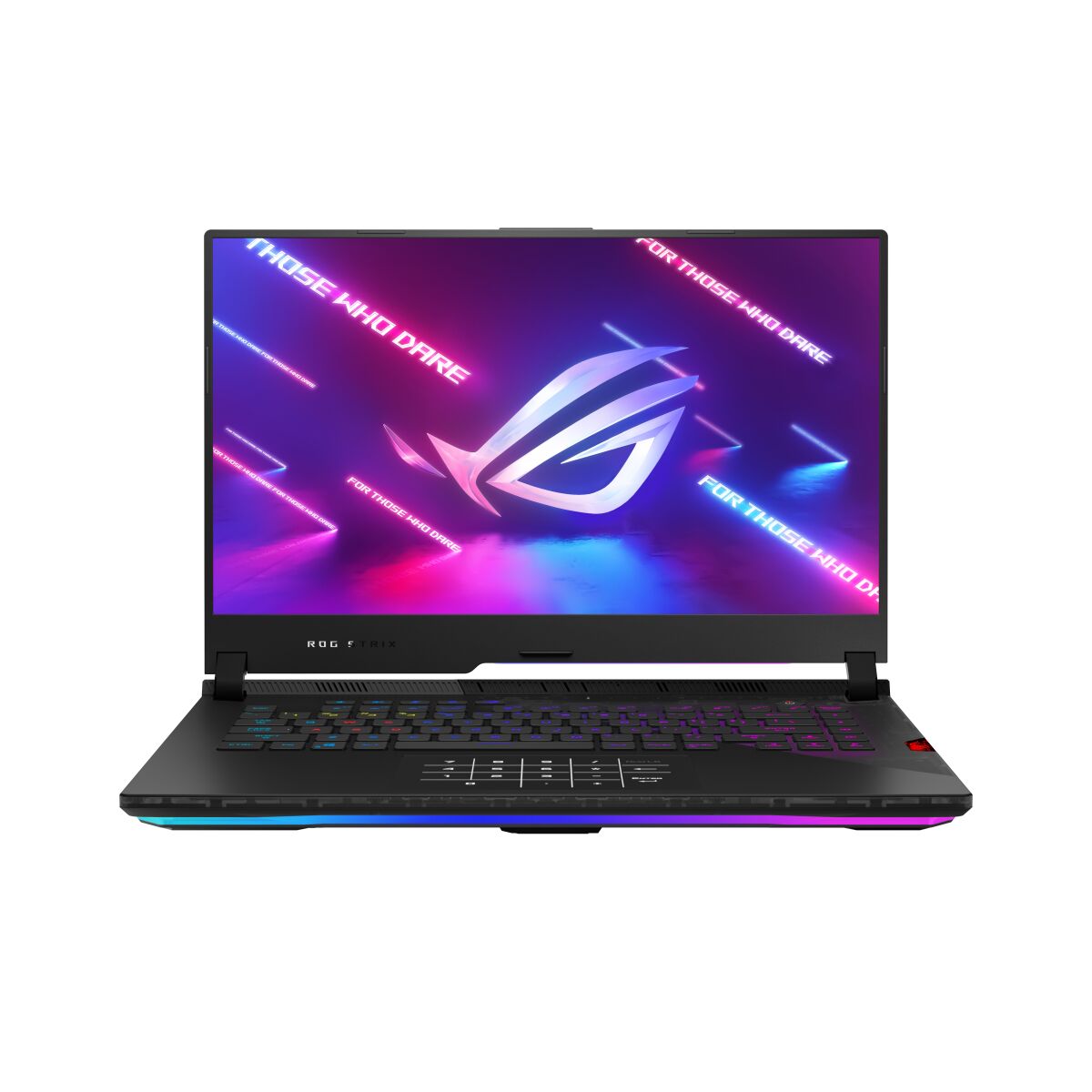
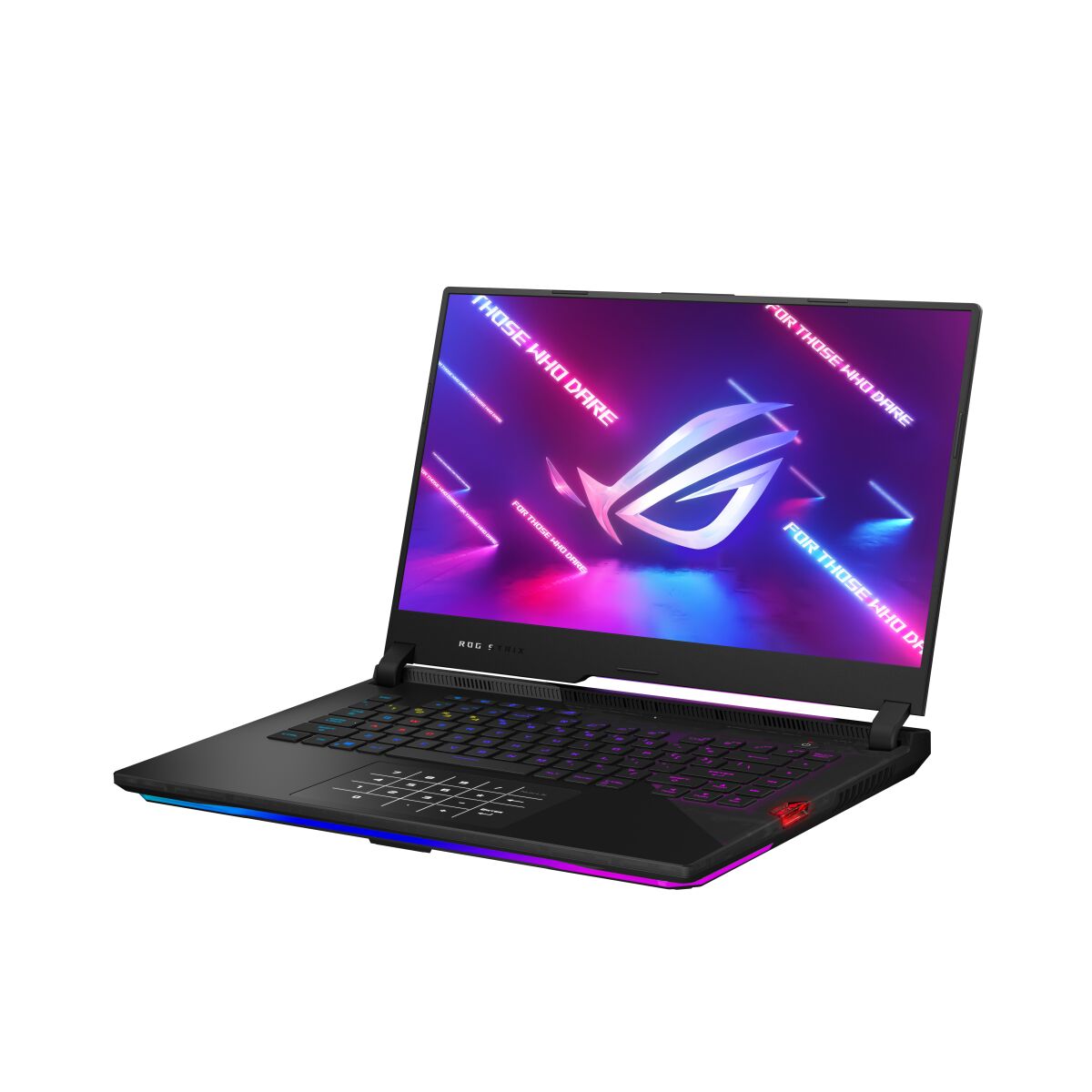
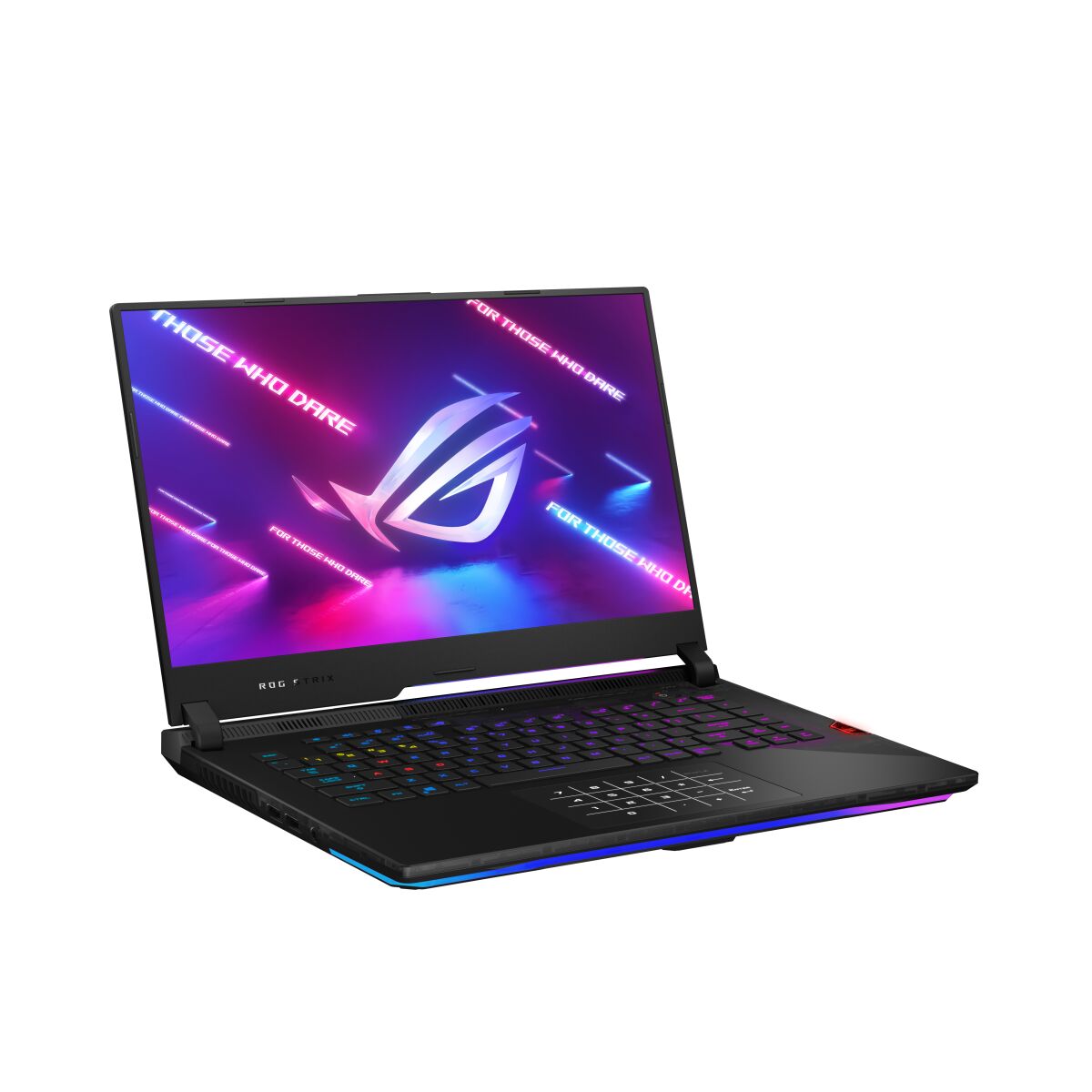
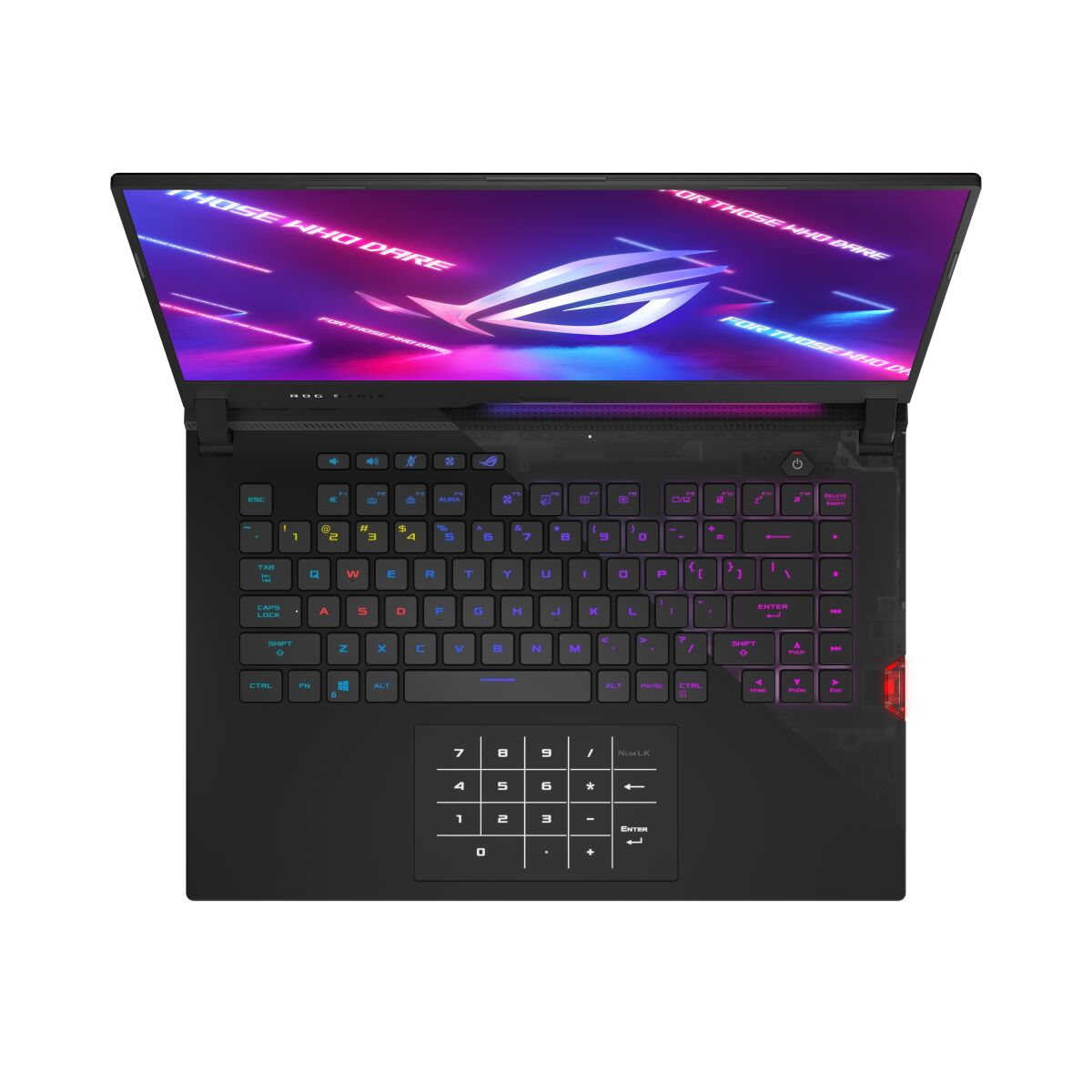
The ASUS ROG Strix SCAR 15 G533QS-HF099T features DDR4-SDRAM memory upgrade capacity with two SO-DIMM slots supporting maximum RAM of 64 GB total. Memory specifications include DDR4-SDRAM modules operating at 3200 MHz frequency. Compatible upgrades utilize SO-DIMM form factor memory modules. Existing memory configuration accommodates expansion through dual memory slots, allowing users to upgrade memory capacity to the maximum supported specification of 64 GB for enhanced multitasking and application performance.
Memory Upgrade Specifications
| Specification | Value |
|---|---|
| Memory slots | 2x SO-DIMM |
| Form factor | SO-DIMM |
| Memory type | DDR4-SDRAM |
| Frequency | 3200 MHz |
| Maximum RAM | 64 GB |
| Voltage | 1.2V |
| Number of pins | 260-pin |
| Interface | PC4 |
| PC Speed Rating | PC4-3200 (PC4-25600) |
| Bandwidth | 25.6 GB/s |
| Laptop Release date | 01 May 2021 |
Additional Notes
- The ASUS ROG G533QS-HF099T supports a maximum capacity of 64 GB when populated with 2 modules of 32 GB each, which represents the highest density configuration for this system.
- The 3200 MHz frequency operates on JEDEC standard profiles, meaning XMP-enabled modules will downclock to match the system's supported speed without requiring manual BIOS configuration.
- Dual-channel architecture requires matched pairs for optimal memory bandwidth, as asymmetric configurations or single-module operation will force the system into single-channel mode with halved throughput.
- SO-DIMM modules feature 260-pin connectors and smaller physical dimensions compared to desktop DIMM, eliminating compatibility with standard desktop memory modules.
- DDR4 operates at 1.2 volts standard specification, while DDR3 and DDR3L modules use incompatible voltage requirements and physical keying that prevents installation.
- The 2-slot configuration lacks expandability beyond replacing existing modules, as no additional sockets are available for capacity increases without removing pre-installed memory.
- Module height restrictions in laptop chassis design require low-profile SO-DIMM modules, as taller heat spreaders may prevent proper installation or chassis closure.
- ECC memory modules are typically incompatible with consumer laptop platforms, as the memory controller in gaming-oriented systems lacks error-correction functionality.
- The maximum 64 GB capacity constraint is enforced by the memory controller's addressing limitations, making higher-capacity modules non-functional even if physically compatible.
- Matched latency timings across both modules prevent potential stability issues that can occur when mixing modules with different CAS latency or timing specifications.