ASUS ROG G533QS-HF136T RAM upgrade specifications
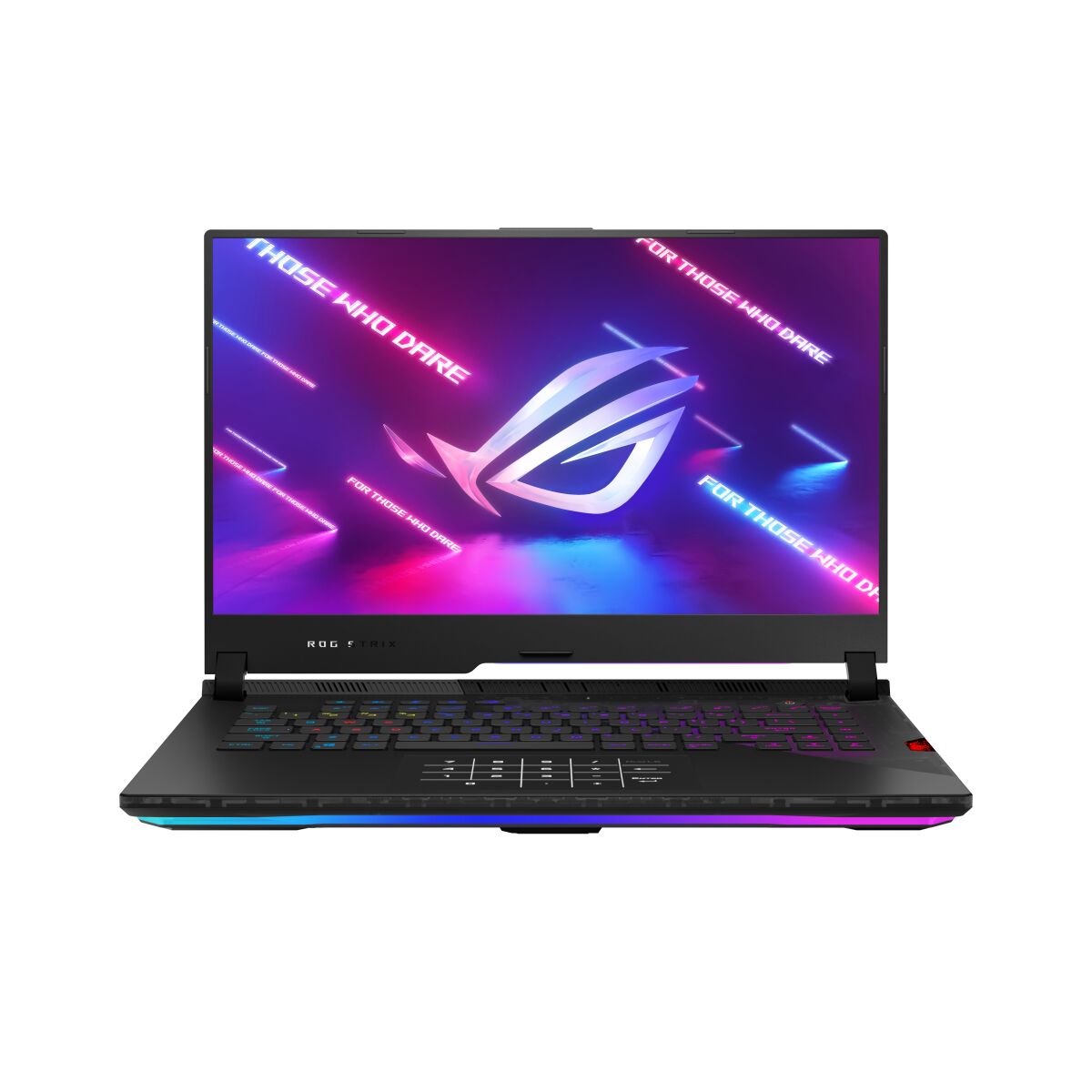
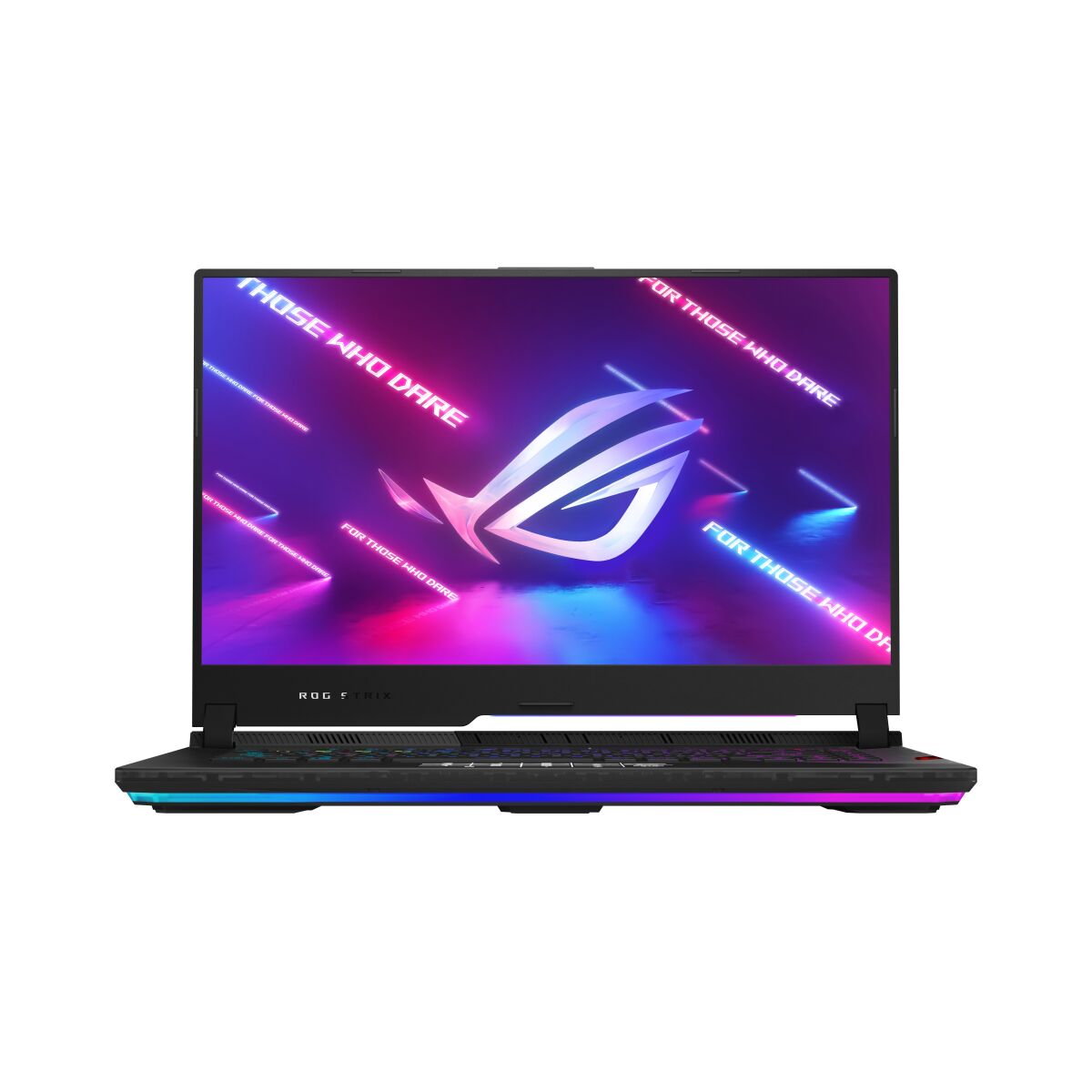
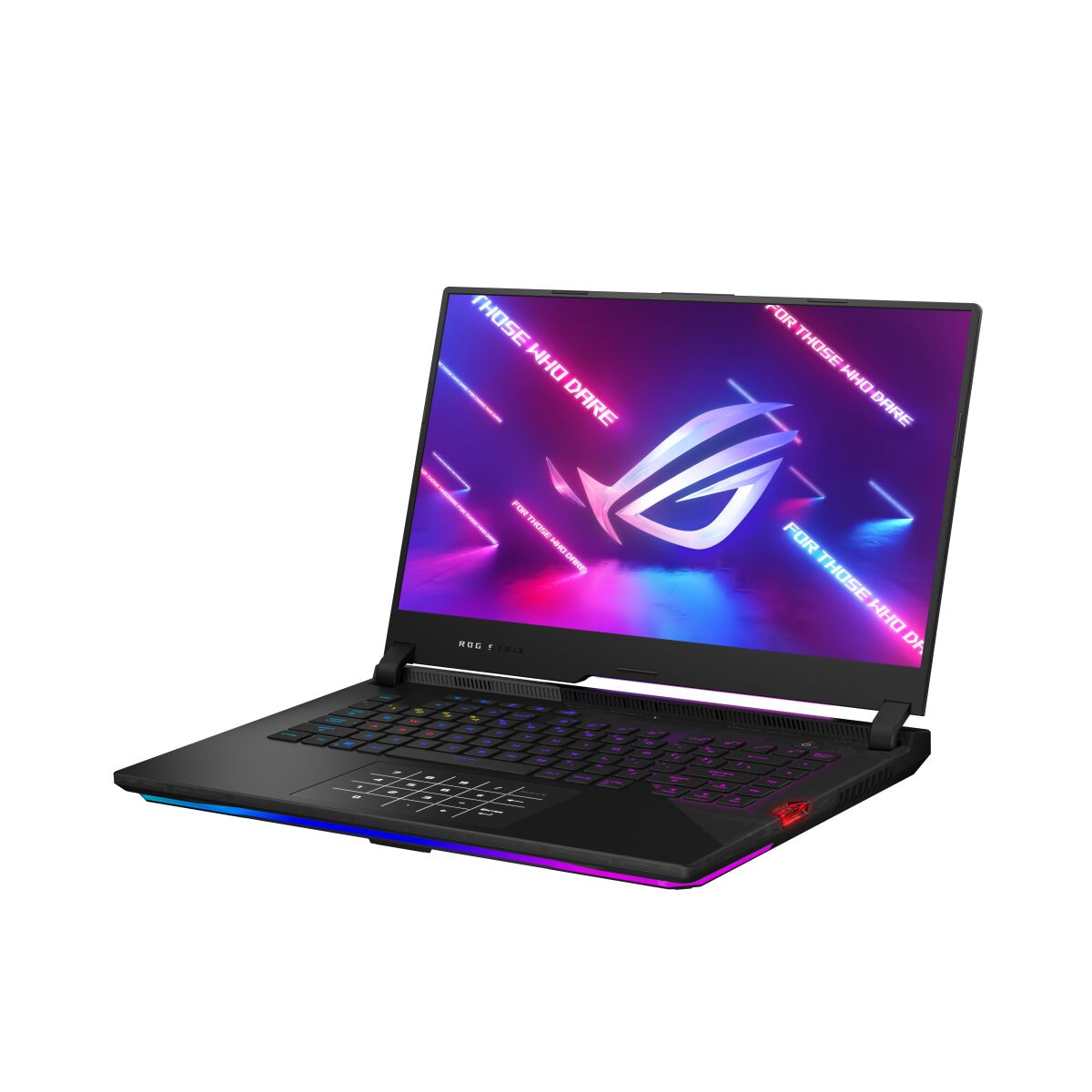
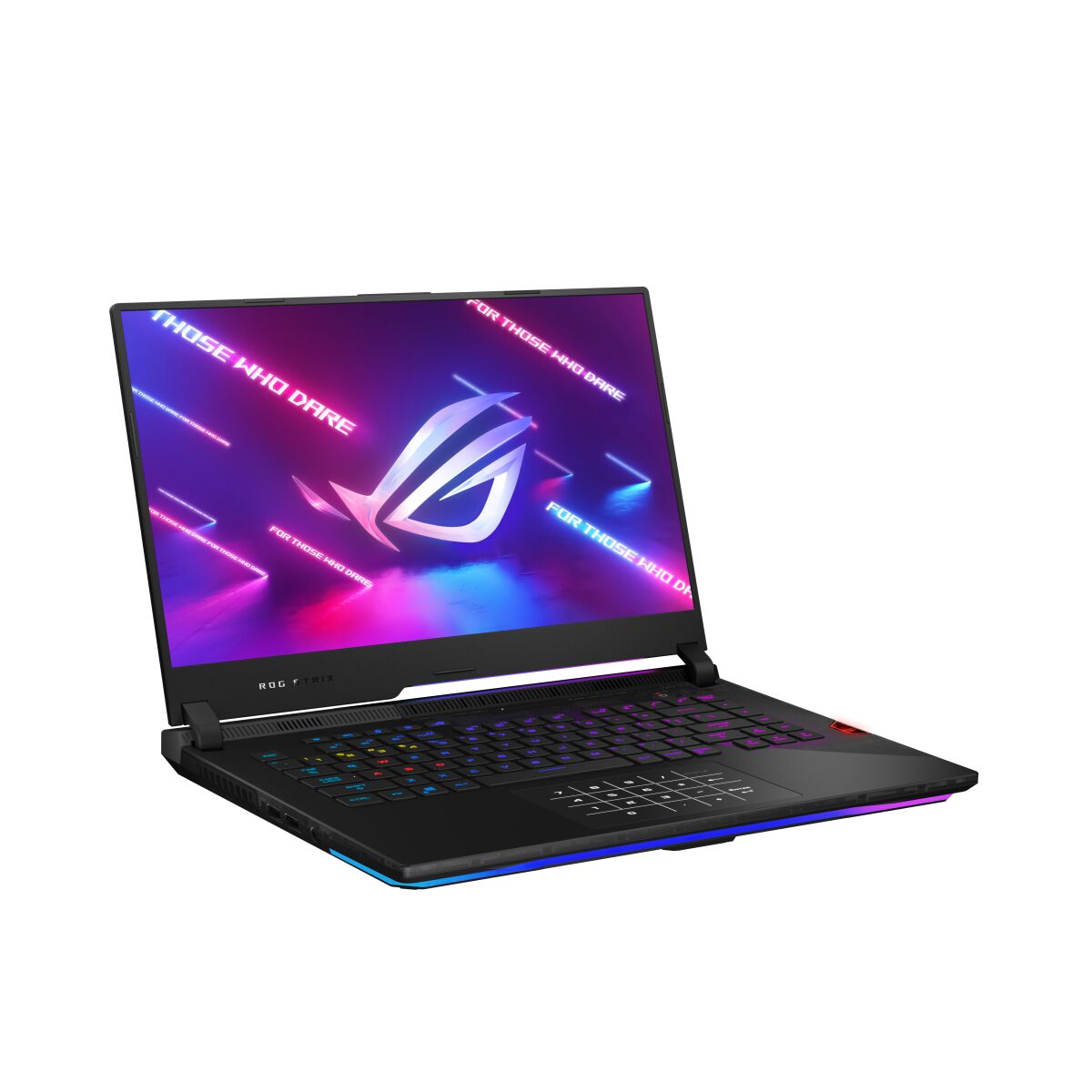
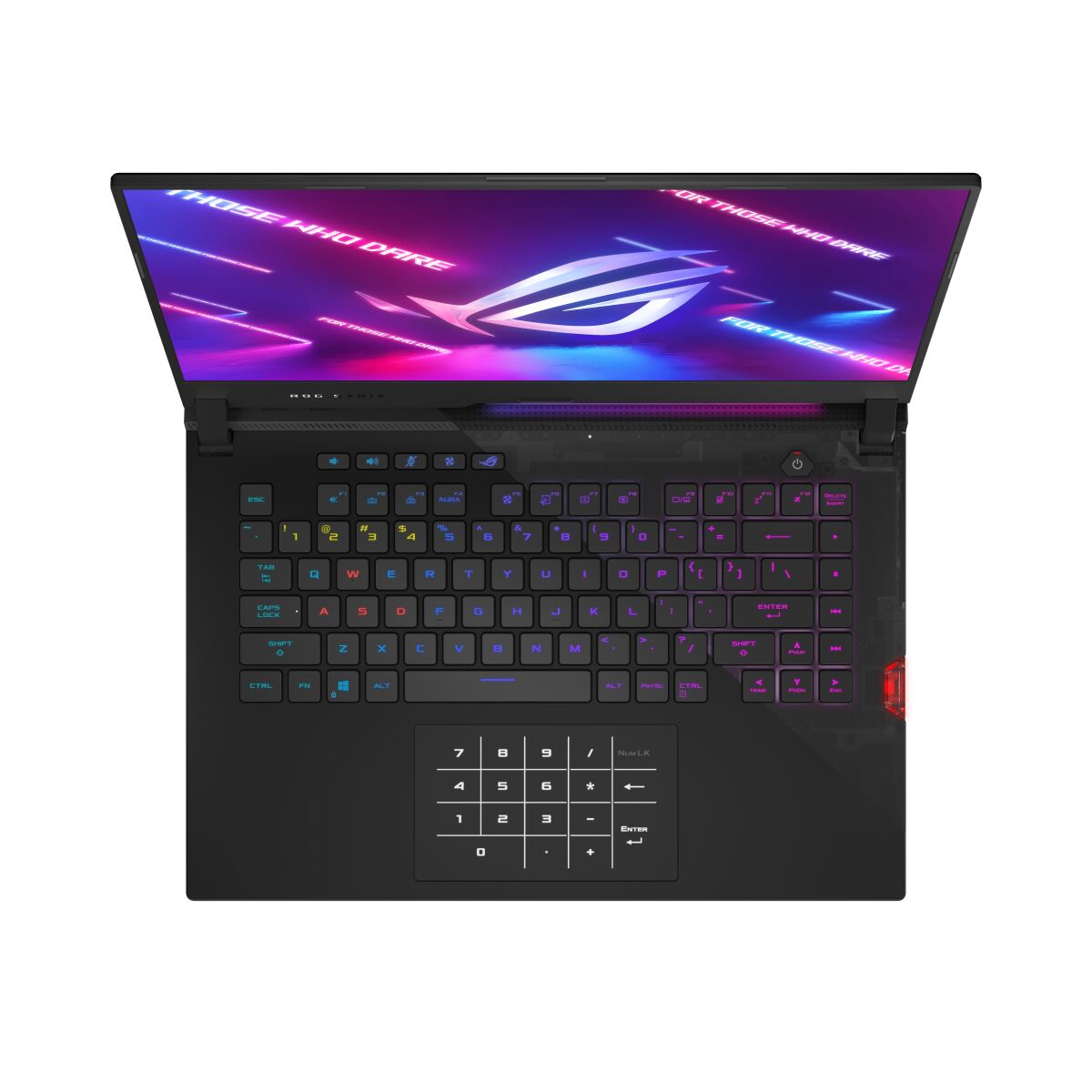
The ASUS ROG Strix SCAR 15 G533QS-HF136T laptop features DDR4-SDRAM memory upgrade capabilities with two SO-DIMM slots supporting up to 64 GB maximum capacity. Compatible memory modules operate at 3200 MHz frequency. Specifications indicate the device accommodates dual SO-DIMM configuration, allowing RAM expansion through compatible DDR4 upgrades to enhance system performance and multitasking capabilities.
Memory Upgrade Specifications
| Specification | Value |
|---|---|
| Memory slots | 2x SO-DIMM |
| Form factor | SO-DIMM |
| Memory type | DDR4-SDRAM |
| Frequency | 3200 MHz |
| Maximum RAM | 64 GB |
| Voltage | 1.2V |
| Number of pins | 260-pin |
| Interface | PC4 |
| PC Speed Rating | PC4-3200 (PC4-25600) |
| Bandwidth | 25.6 GB/s |
| Laptop Release date | 01 March 2021 |
Additional Notes
- The dual channel configuration requirement necessitates installing identical modules in both slots to achieve maximum memory bandwidth and prevent system instability.
- The 64 capacity ceiling indicates the motherboard firmware supports high density 32 modules which facilitates extensive multitasking and heavy rendering workloads.
- Upgrading the ASUS ROG G533QS-HF136T requires non ECC unbuffered modules to ensure boot compatibility with the existing chipset architecture.
- Operating at 3200 necessitates modules that support JEDEC standard timings because the platform often lacks XMP functionality for automatic overclocking profile adjustments.
- Manual physical installation involves accessing the internal chassis which requires anti static precautions to protect the sensitive integrated voltage regulators located near the SO-DIMM sockets.
- Total memory replacement is mandatory when moving from the stock configuration to the maximum limit since no soldered memory exists to supplement the expansion slots.
- Latencies and system responsiveness depend on matching the CAS latency of new hardware with the processor memory controller specifications to avoid downclocking scenarios.