ASUS ROG G533QS-HF193T RAM upgrade specifications
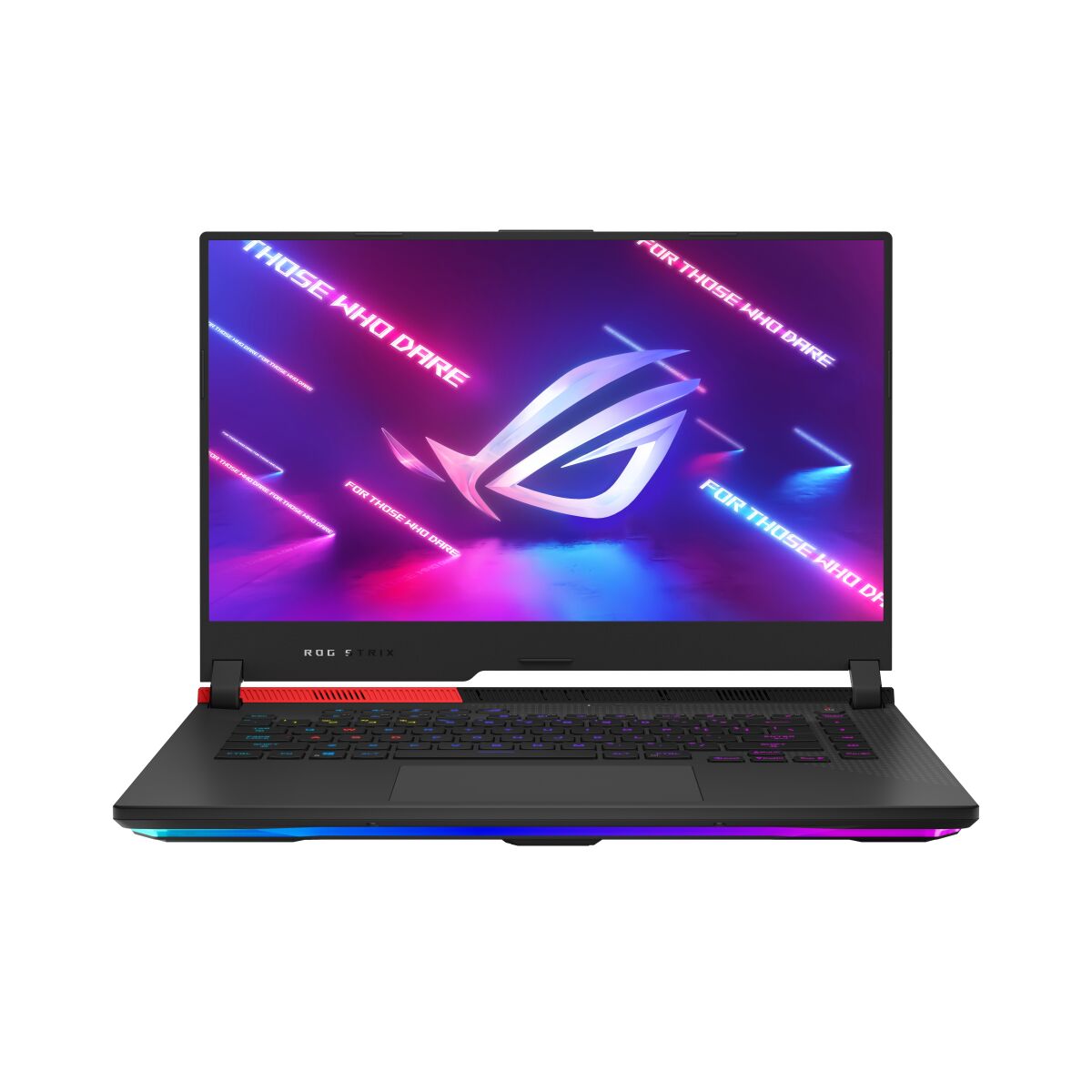
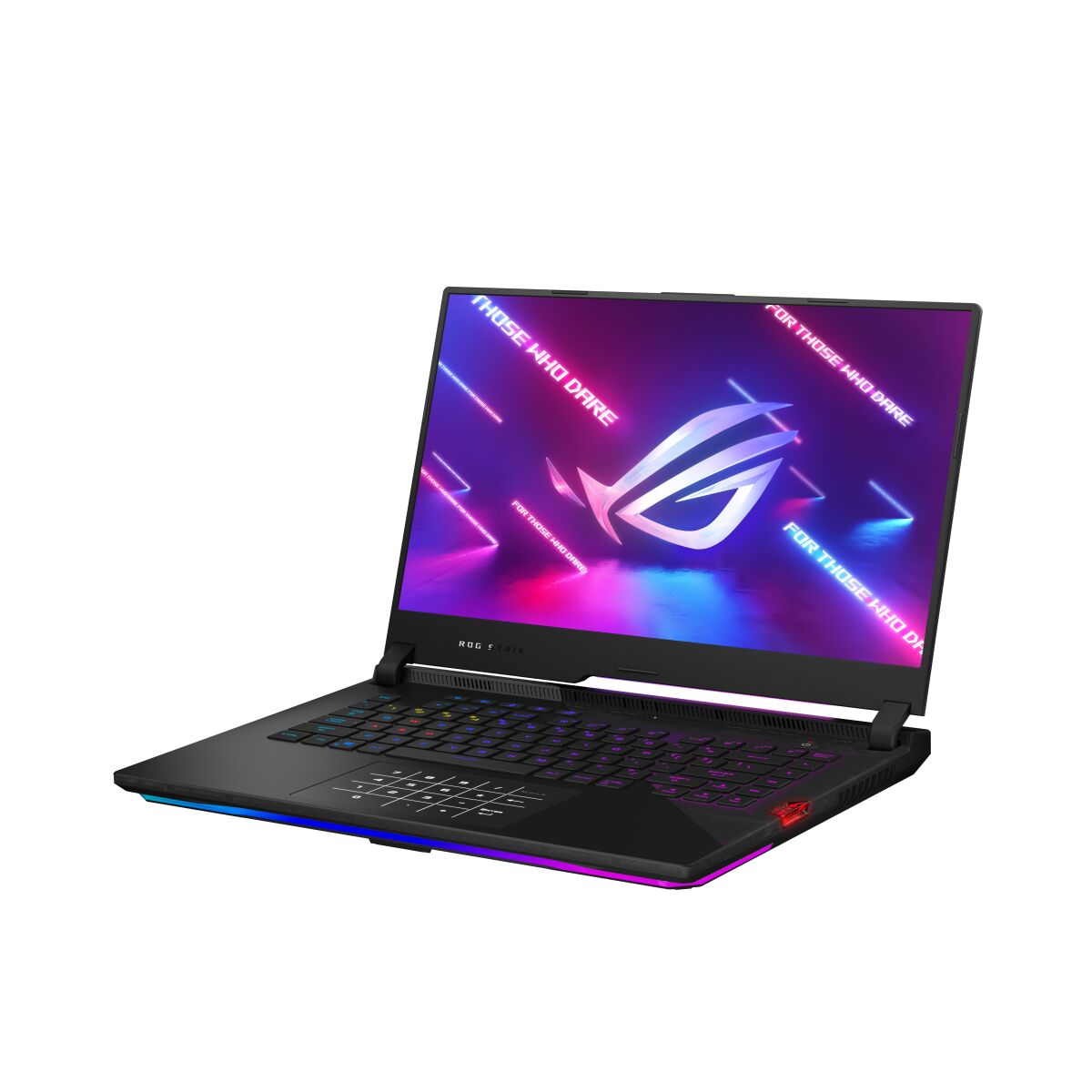


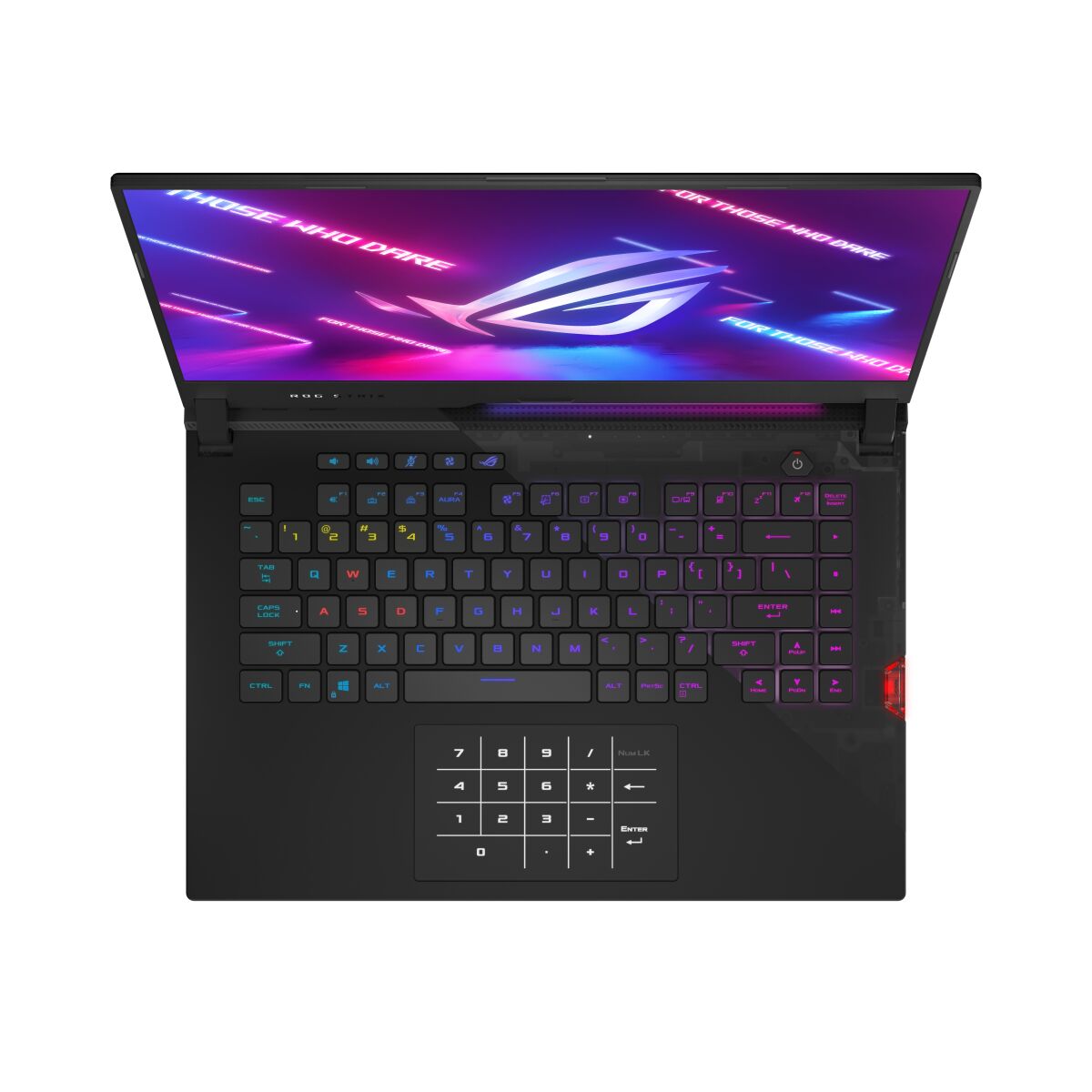
ASUS ROG Strix SCAR 15 G533QS-HF193T memory upgrade specifications detail DDR4-SDRAM compatibility with 2x SO-DIMM slots supporting maximum RAM capacity of 64 GB. Compatible memory modules operate at 3200 MHz frequency. Upgrade options accommodate SO-DIMM form factor components. Specifications indicate dual-slot configuration enabling memory expansion for enhanced system performance and multitasking capabilities on gaming-oriented laptop platform.
Memory Upgrade Specifications
| Specification | Value |
|---|---|
| Memory slots | 2x SO-DIMM |
| Form factor | SO-DIMM |
| Memory type | DDR4-SDRAM |
| Frequency | 3200 MHz |
| Maximum RAM | 64 GB |
| Voltage | 1.2V |
| Number of pins | 260-pin |
| Interface | PC4 |
| PC Speed Rating | PC4-3200 (PC4-25600) |
| Bandwidth | 25.6 GB/s |
| Laptop Release date | 01 May 2021 |
Additional Notes
- The ASUS ROG G533QS-HF193T uses DDR4-SDRAM in a 2-slot SO-DIMM configuration, meaning both memory banks must be populated simultaneously to avoid single-channel bottlenecking that would reduce bandwidth by 50 percent relative to dual-channel operation.
- DDR4-3200 MHz represents the baseline supported frequency; memory modules rated above 3200 MHz require BIOS validation and may operate at reduced speeds if the platform does not explicitly list higher frequency support, potentially wasting the premium paid for faster modules.
- The 64 GB capacity ceiling means upgrading beyond this threshold requires full module replacement rather than addition, eliminating the option to keep existing RAM as a cost-saving measure during future expansion cycles.
- SO-DIMM form factor is physically smaller than desktop DIMM slots and occupies recessed internal space within the laptop chassis; installation requires laptop disassembly and disconnection of internal components, which may void warranty coverage if performed outside authorized service channels.
- Mixed-capacity configurations (e.g., 8 GB plus 32 GB modules) function correctly but prevent symmetric dual-channel performance; matching module capacities preserves peak memory bandwidth for applications sensitive to latency such as real-time 3D rendering or high-frequency data processing.