ASUS ROG G533QS-HF251R RAM upgrade specifications
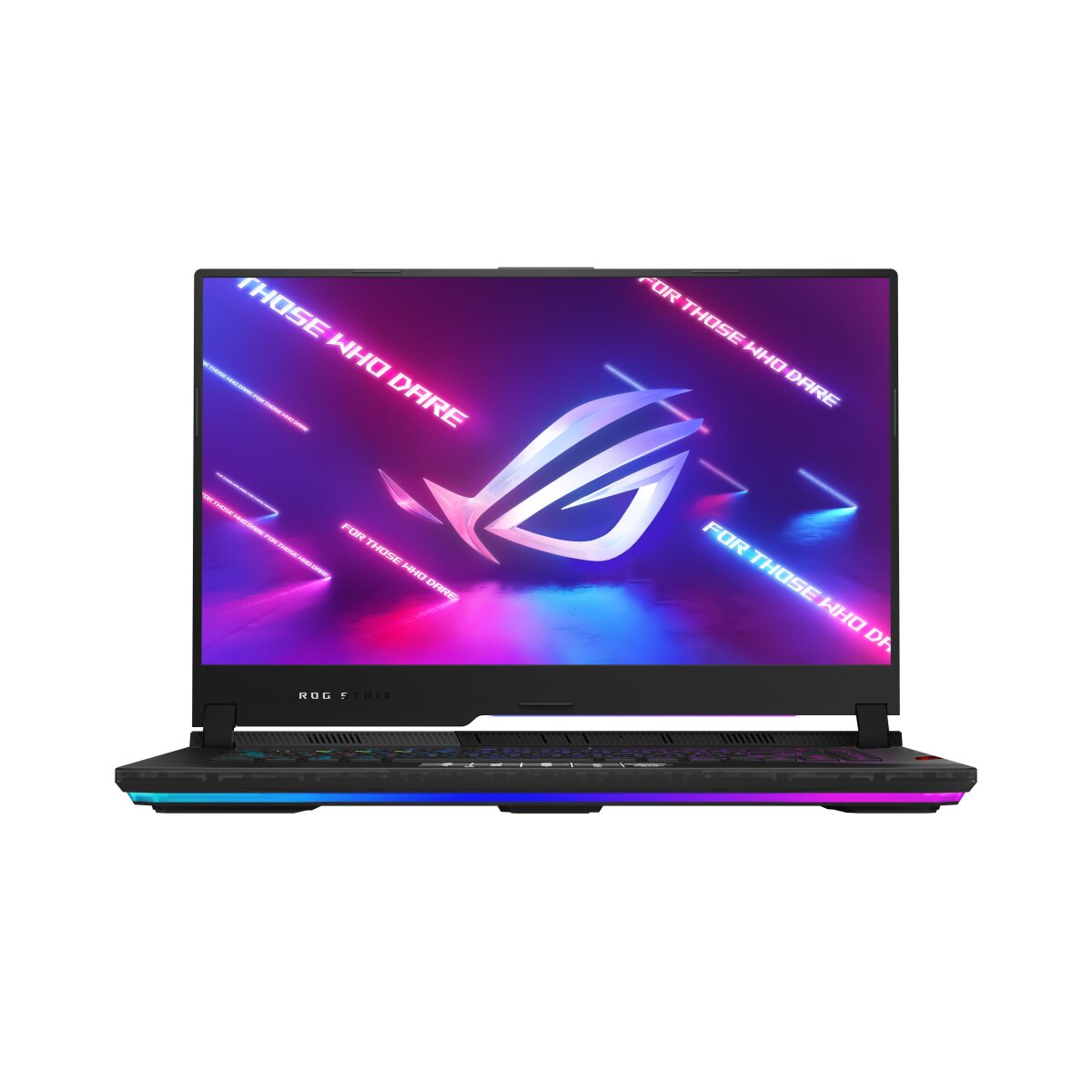
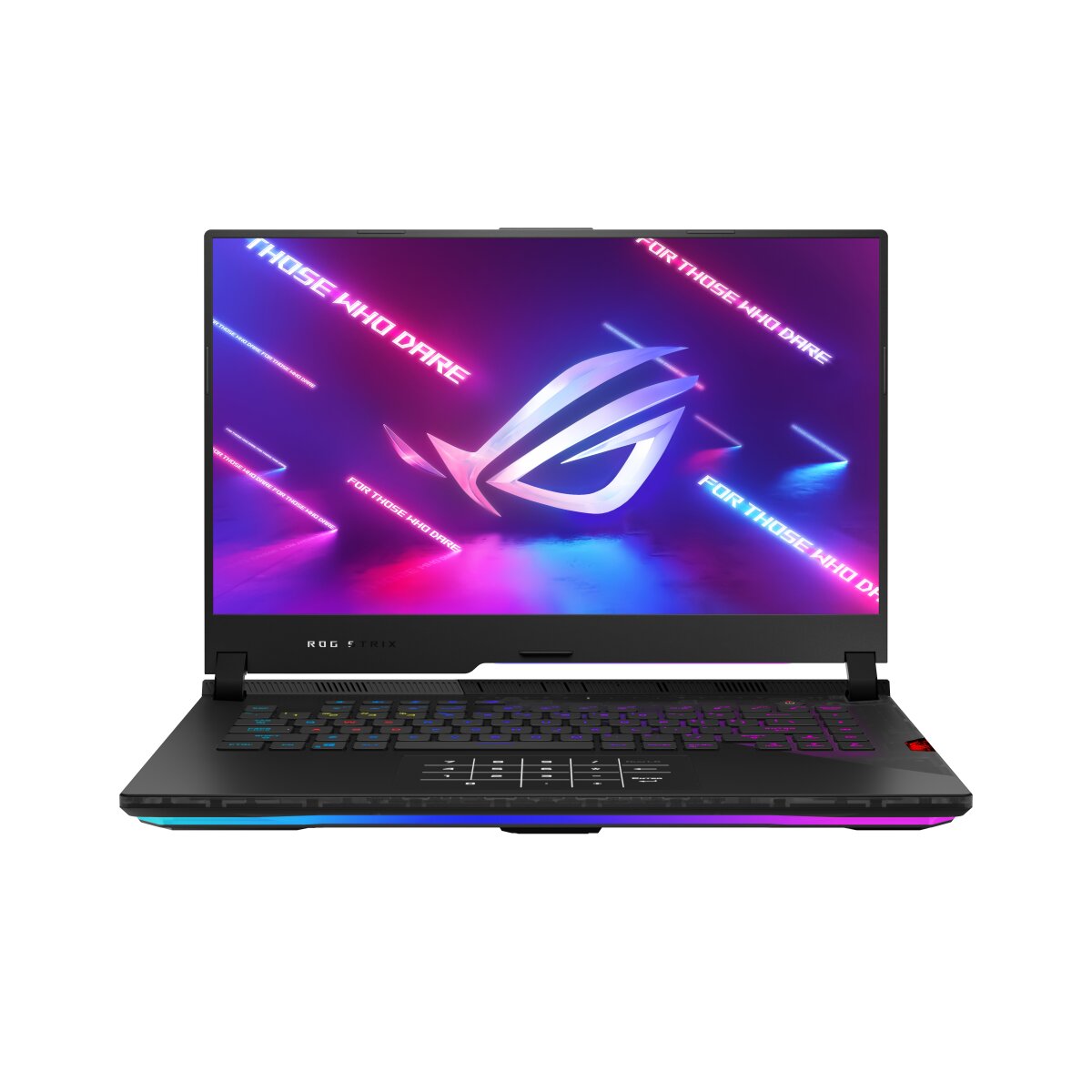



The ASUS ROG Strix SCAR 15 G533QS-HF251R gaming laptop features DDR4-SDRAM memory upgrade capabilities with two SO-DIMM slots supporting a maximum RAM capacity of 64 GB. The memory specifications indicate DDR4 compatibility at 3200 MHz frequency. Users seeking RAM upgrades for this model must utilize SO-DIMM form factor modules to achieve the maximum supported memory configuration. The dual-slot architecture permits incremental capacity expansion to meet performance requirements for intensive gaming and multimedia applications.
Memory Upgrade Specifications
| Specification | Value |
|---|---|
| Memory slots | 2x SO-DIMM |
| Form factor | SO-DIMM |
| Memory type | DDR4-SDRAM |
| Frequency | 3200 MHz |
| Maximum RAM | 64 GB |
| Voltage | 1.2V |
| Number of pins | 260-pin |
| Interface | PC4 |
| PC Speed Rating | PC4-3200 (PC4-25600) |
| Bandwidth | 25.6 GB/s |
| Laptop Release date | 19 September 2021 |
Additional Notes
- The ASUS ROG G533QS-HF251R contains 2 memory slots with SO-DIMM form factor, meaning maximum capacity reaches 64 GB only if both slots are populated with 32 GB modules. Asymmetric configurations (e.g., 8 GB + 32 GB) will function but reduce performance due to single-channel operation on the unpopulated capacity tier.
- DDR4-3200 specification indicates the system operates at JEDEC standard 3200 MHz. Replacement modules rated higher than 3200 MHz will downclock to this frequency; purchasing premium DDR4-3600 or DDR4-4000 modules provides no performance gain and wastes capital on specifications the laptop cannot utilize.
- SO-DIMM modules are soldered into compact laptop form factors and occupy restricted physical space beneath the keyboard deck. Installation requires removal of the bottom panel and careful alignment; larger heatspreaders common on desktop DDR4 modules may interfere with retention clips or adjacent components if incorrectly selected.
- Upgrading from factory-installed capacity to 64 GB total creates a 6-8 watt additional power draw under sustained memory activity. Battery runtime will decrease proportionally, and thermal output near the memory slots increases marginally, affecting local airflow efficiency.
- Mixing memory modules of different generations (e.g., original DDR4-3200 with replacement DDR4-3200 from a different batch) can produce subtle compatibility issues including increased latency or boot failures if the SPD (Serial Presence Detect) profiles differ. Warranty claims for mixed-module failures may be rejected by ASUS unless both modules match manufacturer part numbers.
- The 2-slot architecture cannot be expanded beyond 64 GB without replacing existing modules entirely. Future scalability is constrained by the SO-DIMM form factor ceiling and the absence of additional slots on the motherboard.