ASUS ROG G533QS-XS98Q RAM upgrade specifications
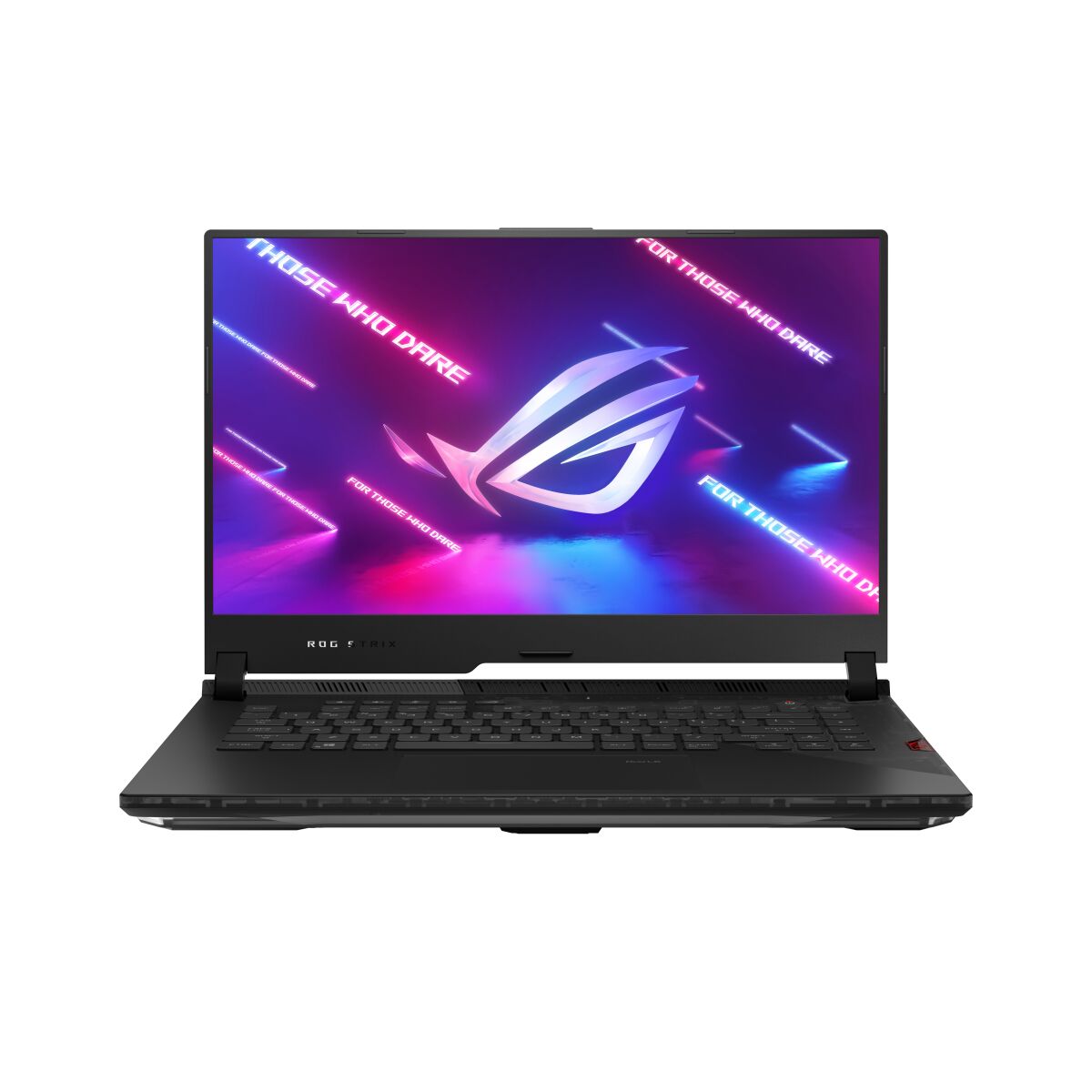
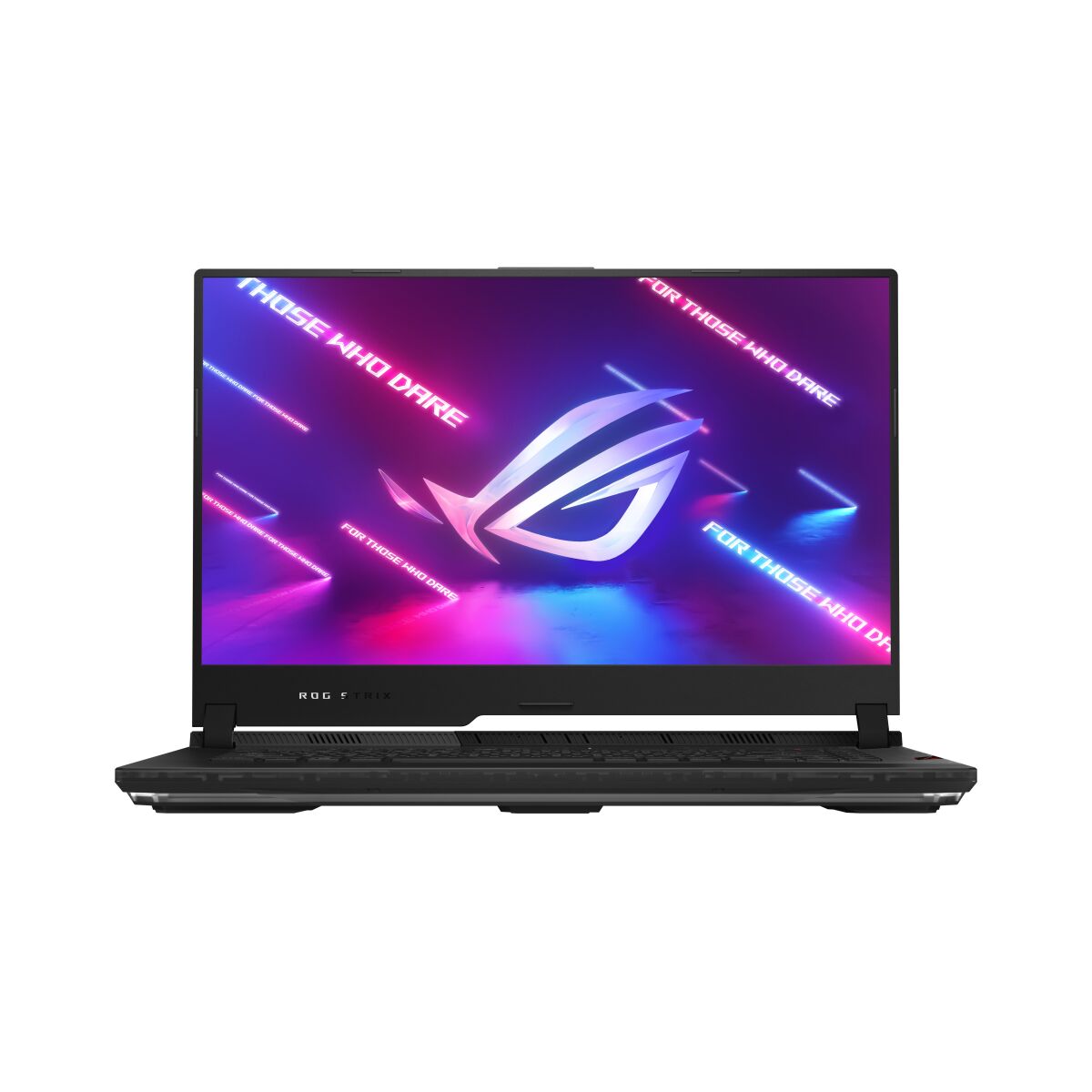



The ASUS ROG Strix SCAR 15 G533QS-XS98Q gaming laptop features two SO-DIMM slots for memory expansion. The system supports DDR4-SDRAM memory operating at 3200 MHz frequency. Maximum memory capacity is 64 GB. Compatible RAM upgrades utilize the SO-DIMM form factor specifications. The laptop's memory upgrade potential allows for enhanced multitasking and performance when maximum RAM capacity is installed.
Memory Upgrade Specifications
| Specification | Value |
|---|---|
| Memory slots | 2x SO-DIMM |
| Form factor | SO-DIMM |
| Memory type | DDR4-SDRAM |
| Frequency | 3200 MHz |
| Maximum RAM | 64 GB |
| Voltage | 1.2V |
| Number of pins | 260-pin |
| Interface | PC4 |
| PC Speed Rating | PC4-3200 (PC4-25600) |
| Bandwidth | 25.6 GB/s |
| Laptop Release date | 12 April 2021 |
Additional Notes
- The dual channel configuration requirement necessitates installing modules in matched pairs to ensure the processor reaches peak memory bandwidth.
- The absence of soldered memory on the ASUS G533QS-XS98Q motherboard allows for the complete replacement of existing modules rather than being restricted to a single expansion slot.
- Utilizing modules with higher frequencies than 3200 MHz will result in automatic downclocking to match the hardware controller limitations.
- Upgrading to the maximum 64 GB capacity requires two 32 GB density sticks since the physical architecture lacks additional slots for smaller increments.
- Integrated graphics performance relies heavily on low latency timings within the installed modules to reduce frame time fluctuations during heavy workloads.
- Thermal constraints within the chassis dictate the use of standard voltage memory to prevent localized heat buildup near the processor and GPU.
- Physical access to the SO-DIMM slots involves bottom panel removal which typically requires specialized tools to avoid damaging the internal plastic clips or ribbon cables.
- Software stability during high capacity tasks depends on the use of non-ECC unbuffered modules as the system firmware does not support error correcting code protocols.