ASUS ROG G533ZS-DS94 RAM upgrade specifications
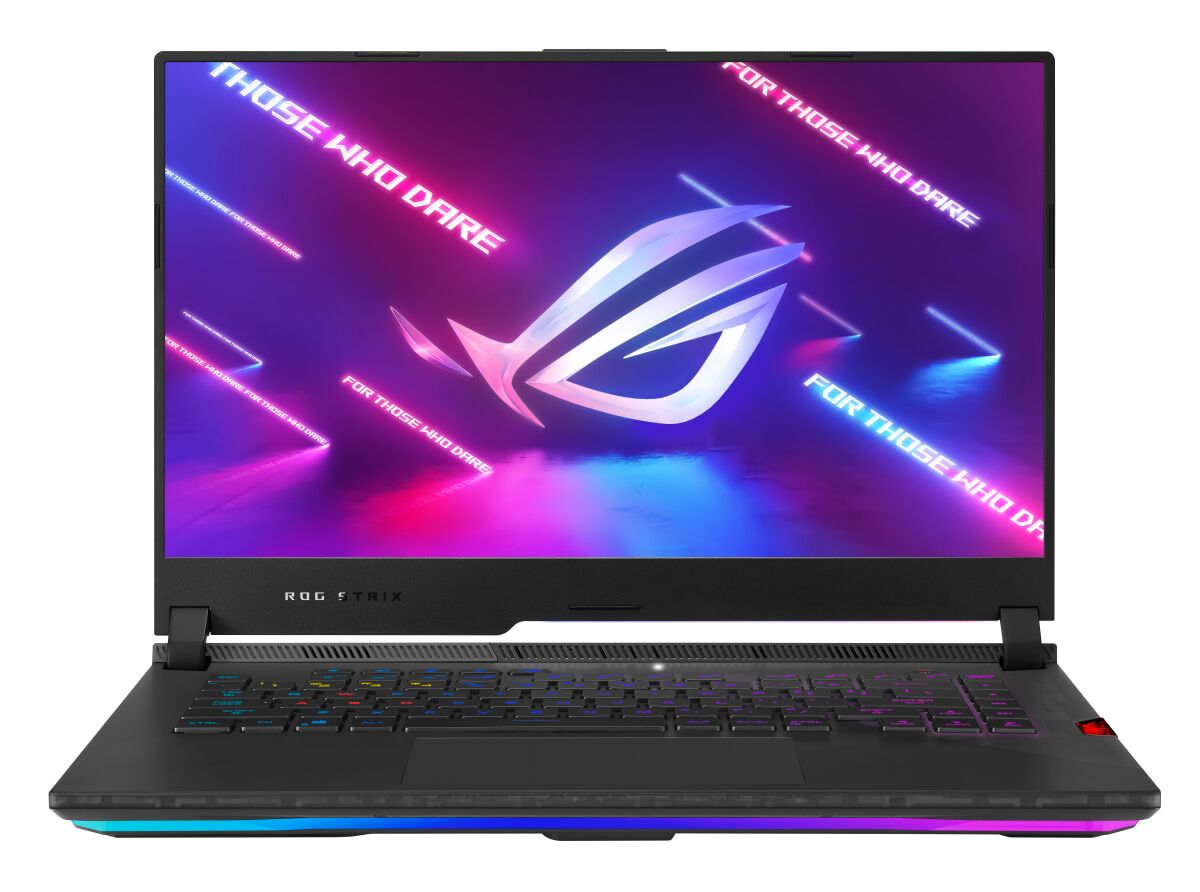


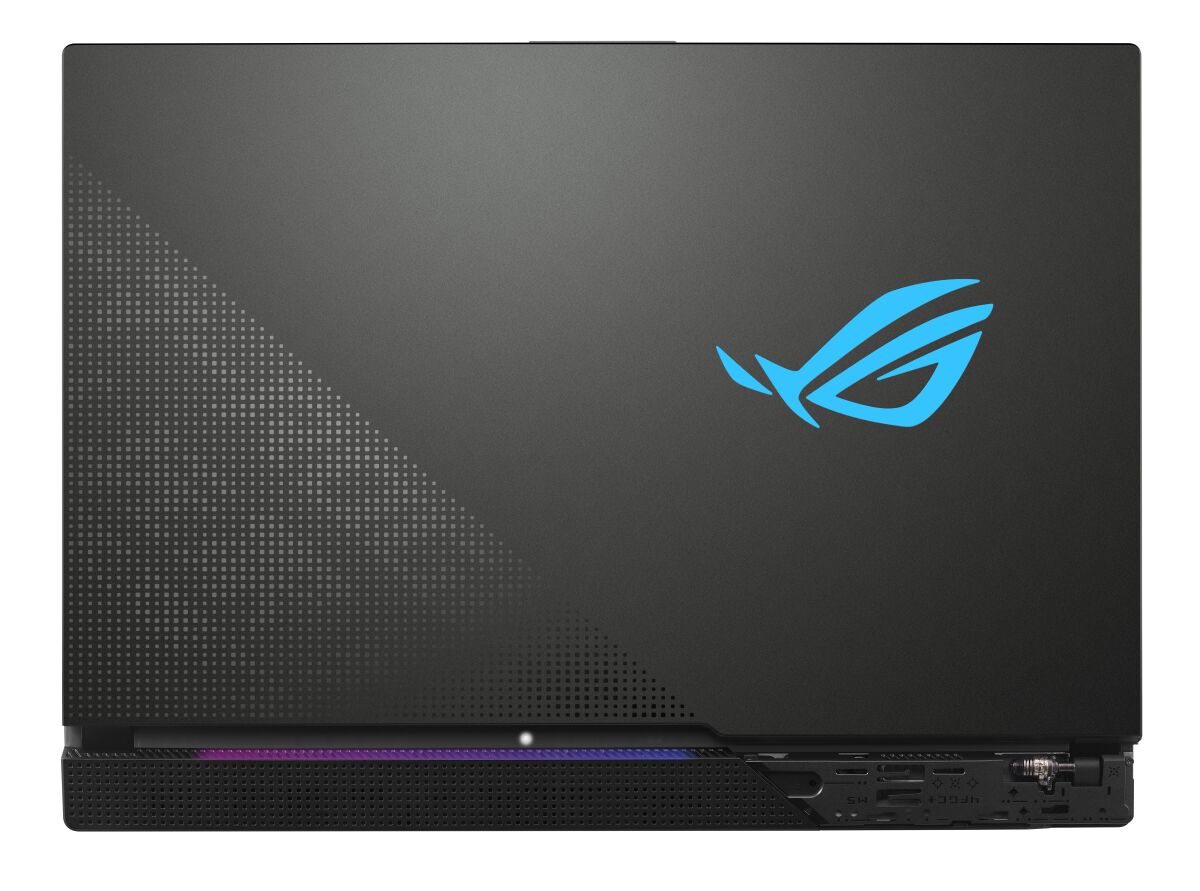

The ASUS ROG Strix SCAR 15 G533ZS-DS94 laptop features two SO-DIMM slots supporting DDR5-SDRAM memory upgrades. Maximum RAM capacity reaches 64 GB with compatible DDR5 modules operating at 4800 MHz frequencies. Specifications indicate the memory upgrade slots accommodate SO-DIMM form factor components. This ROG gaming laptop model supports significant RAM expansion for enhanced multitasking and performance capabilities.
Memory Upgrade Specifications
| Specification | Value |
|---|---|
| Memory slots | 2x SO-DIMM |
| Form factor | SO-DIMM |
| Memory type | DDR5-SDRAM |
| Frequency | 4800 MHz |
| Maximum RAM | 64 GB |
| Voltage | 1.1V |
| Number of pins | 262-pin |
| Interface | PC5 |
| PC Speed Rating | PC5-4800 (PC5-38400) |
| Bandwidth | 38.4 GB/s |
| Laptop Release date | 19 March 2022 |
Additional Notes
- The ASUS ROG G533ZS-DS94 uses SO-DIMM form factor exclusively, restricting upgrades to laptop-specific modules rather than desktop DDR5 variants, which prevents cross-platform component reuse.
- Dual SO-DIMM slots create a 32 GB per-module ceiling, meaning both slots must be populated with matched 32 GB modules to reach the 64 GB maximum, eliminating mixed-capacity configurations.
- DDR5-4800 MHz operation requires modules rated for this frequency or higher; lower-rated DDR5 modules will operate at reduced speeds, potentially negating performance gains from the upgrade.
- The 2-slot architecture provides no expansion redundancy; a single module failure disables half the installed capacity, unlike 4-slot systems that allow continued operation with reduced memory.
- Upgrading from stock configuration to 64 GB requires simultaneous replacement of both modules rather than incremental single-stick additions, necessitating temporary loss of all installed memory during the swap.
- SO-DIMM installation typically voids thermal paste warranties on some chipsets due to heatspreader contact during module insertion; verification of warranty terms before opening the system is advisable.
- DDR5 SO-DIMMs generate measurably higher heat output than DDR4 equivalents; the laptop's thermal design must adequately channel this additional dissipation to prevent throttling of nearby components.
- Memory bandwidth saturation becomes more pronounced under heavy multithreaded workloads due to the fixed 2-channel architecture; the 64 GB capacity does not scale bandwidth proportionally with increased density.