ASUS ROG G533ZS-HF043 RAM upgrade specifications
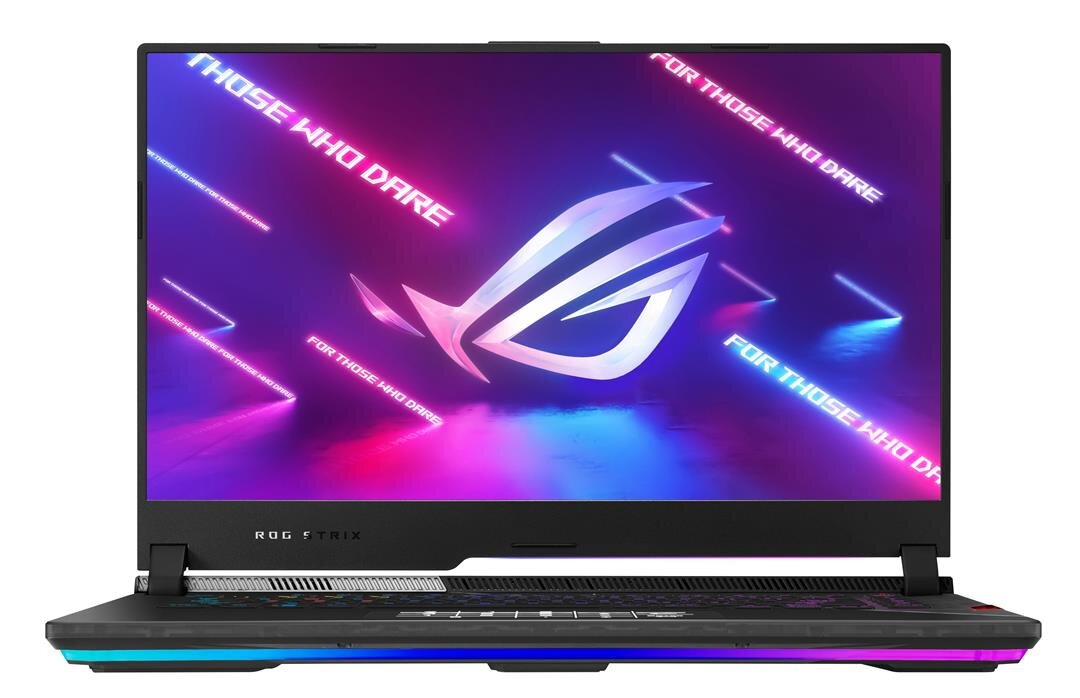



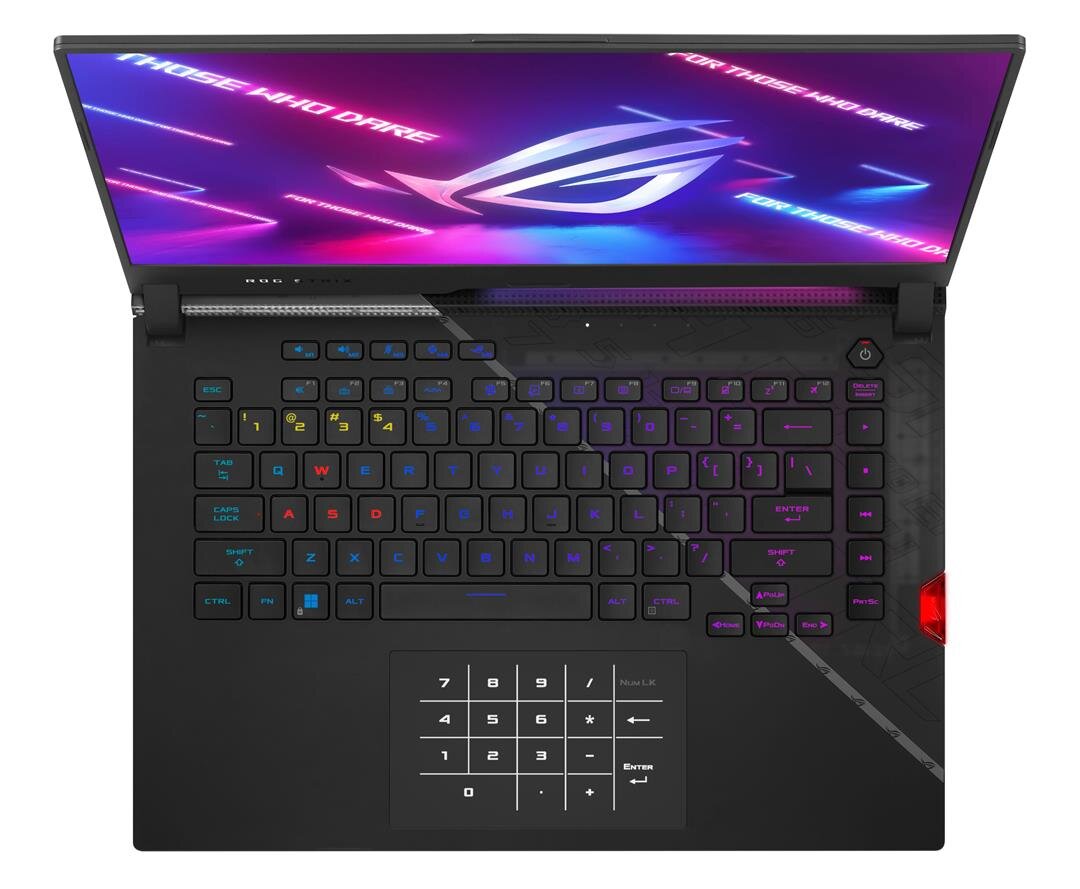
The ASUS ROG Strix SCAR 15 G533ZS-HF043 laptop supports memory upgrades through two SO-DIMM slots, compatible with DDR5-SDRAM modules operating at 4800 MHz frequency. Maximum RAM capacity specifications allow up to 64 GB total memory configuration. Upgrade slots accommodate standard SO-DIMM form factor components. Current specifications and compatible memory modules enable system expansion for enhanced multitasking and performance capabilities.
Memory Upgrade Specifications
| Specification | Value |
|---|---|
| Memory slots | 2x SO-DIMM |
| Form factor | SO-DIMM |
| Memory type | DDR5-SDRAM |
| Frequency | 4800 MHz |
| Maximum RAM | 64 GB |
| Voltage | 1.1V |
| Number of pins | 262-pin |
| Interface | PC5 |
| PC Speed Rating | PC5-4800 (PC5-38400) |
| Bandwidth | 38.4 GB/s |
| Laptop Release date | 30 June 2022 |
Additional Notes
- The ASUS ROG G533ZS-HF043 supports DDR5-4800 as its native speed, meaning modules rated at 5200 MHz, 5600 MHz, or higher will downclock to 4800 MHz due to chipset or processor frequency limitations.
- DDR5 SO-DIMM modules operate at 1.1V standard voltage, eliminating compatibility concerns with higher-voltage DDR4 modules which are physically incompatible with DDR5 slots.
- The 64 GB maximum capacity requires 32 GB modules in both slots, as single 64 GB SO-DIMM modules exceed current consumer availability and controller support.
- DDR5 incorporates on-die ECC within each module, providing background error correction without requiring specific ECC SO-DIMM variants or BIOS configuration.
- Mixing modules with different densities creates a potential asymmetric memory configuration, which may prevent dual-channel mode operation and reduce memory bandwidth by approximately 50 percent.
- The dual-channel architecture with DDR5-4800 provides a theoretical peak bandwidth of 76.8 GB/s when both slots operate in matched pairs.
- Installation requires removing the bottom panel, which may involve multiple screw types and careful ribbon cable management to avoid warranty-voiding damage to internal connectors.
- DDR5 modules feature reversed notch positioning compared to DDR4, preventing accidental insertion of incompatible memory generations despite identical SO-DIMM physical dimensions.
- Single-rank versus dual-rank module topology affects memory interleaving efficiency, with dual-rank configurations typically providing 5 to 15 percent higher bandwidth in intensive workloads.
- Upgrading beyond manufacturer-installed capacity may require BIOS updates to ensure proper module detection and XMP/EXPO profile compatibility with aftermarket memory kits.