ASUS ROG G533ZS-LN047W RAM upgrade specifications
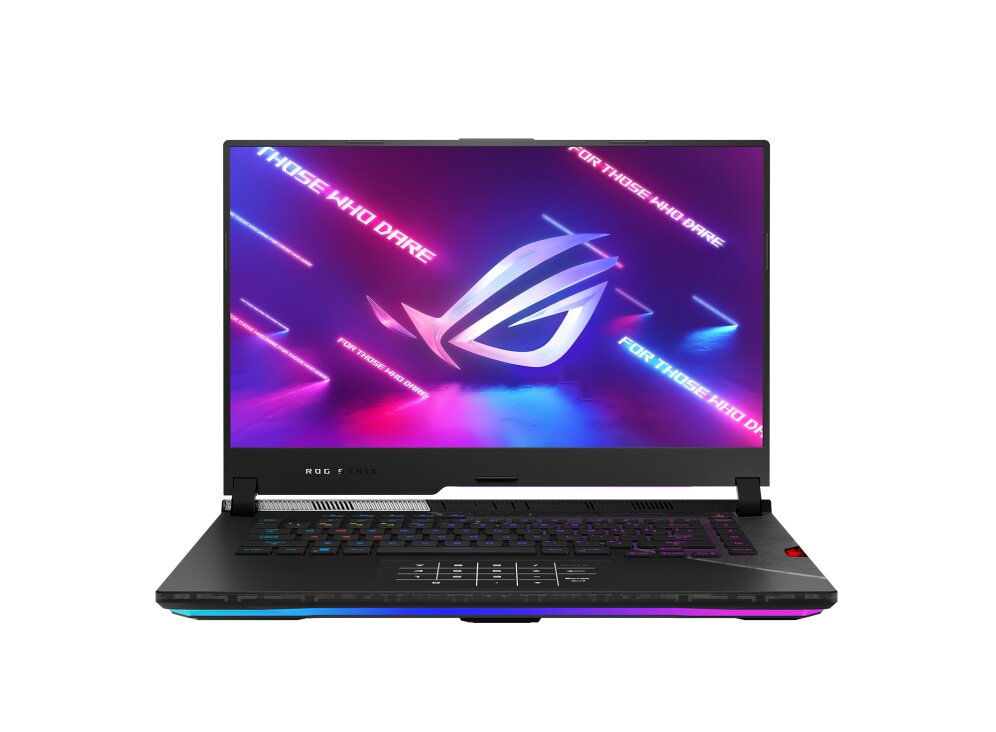
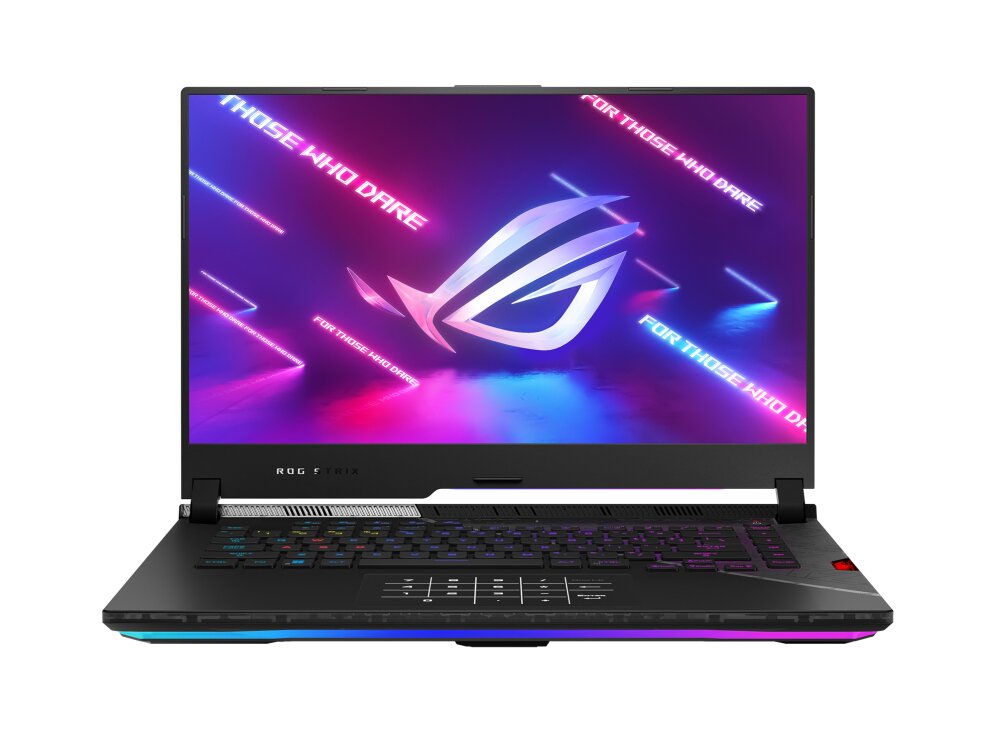
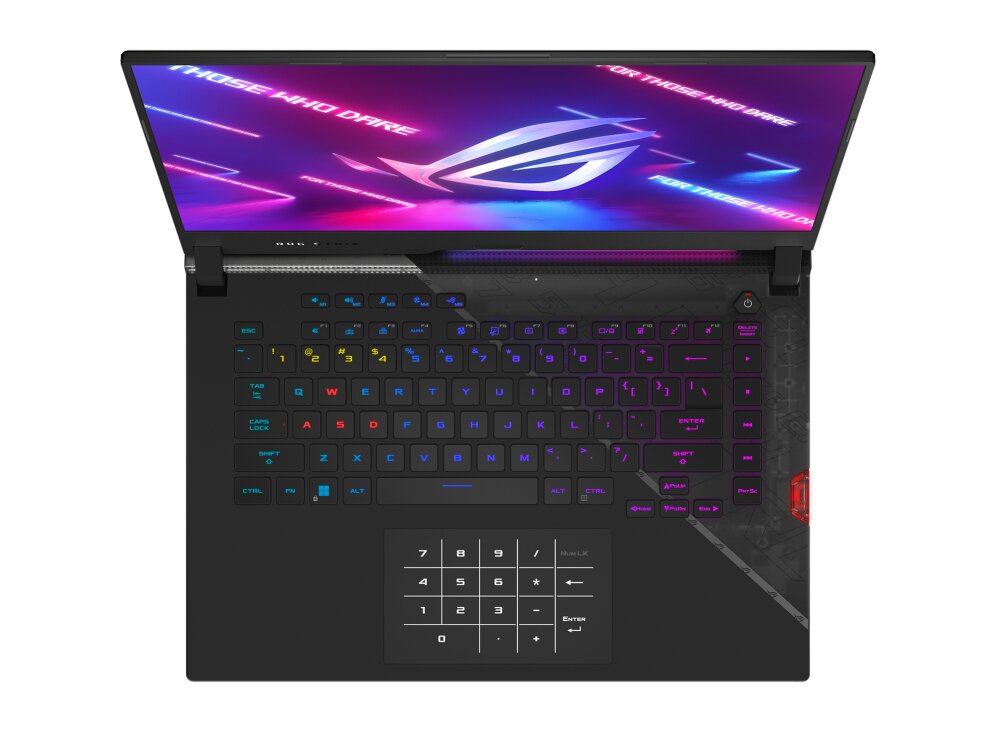


The ASUS ROG Strix SCAR 15 G533ZS-LN047W features DDR5-SDRAM memory with two SO-DIMM slots supporting maximum capacity of 64 GB. The laptop is compatible with DDR5 modules operating at 4800 MHz frequency. RAM upgrade specifications indicate SO-DIMM form factor compatibility for memory expansion. Maximum specifications allow installation of dual memory modules to reach 64 GB total capacity. The G533ZS-LN047W supports DDR5 technology for enhanced performance and bandwidth compared to previous DDR4 generation memory specifications.
Memory Upgrade Specifications
| Specification | Value |
|---|---|
| Memory slots | 2x SO-DIMM |
| Form factor | SO-DIMM |
| Memory type | DDR5-SDRAM |
| Frequency | 4800 MHz |
| Maximum RAM | 64 GB |
| Voltage | 1.1V |
| Number of pins | 262-pin |
| Interface | PC5 |
| PC Speed Rating | PC5-4800 (PC5-38400) |
| Bandwidth | 38.4 GB/s |
| Laptop Release date | 14 April 2023 |
Additional Notes
- The ASUS ROG G533ZS-LN047W relies on DDR5-SDRAM, which operates at lower voltage than DDR4 and is physically incompatible with DDR4 slots due to different notch positioning.
- The 64 GB maximum capacity requires 2 modules of 32 GB each, as both SO-DIMM slots must be populated to reach this limit.
- DDR5 at 4800 MHz represents the JEDEC baseline specification, meaning modules rated for higher frequencies will downclock to this speed unless XMP/EXPO profiles are supported and enabled in BIOS.
- SO-DIMM modules designed for laptops are approximately half the physical length of desktop DIMM modules, measuring roughly 67.6 mm compared to 133.35 mm.
- Mixing modules with different latencies or timings may force all memory to operate at the slowest common specification, potentially reducing performance below rated speeds.
- DDR5's dual-channel architecture operates with two 32-bit channels per module, effectively creating a quad-channel configuration when both slots are populated.
- Memory upgrades performed by the user may void manufacturer warranty coverage, depending on regional service policies and whether factory seals are broken during installation.
- The 2-slot configuration limits future expandability, as reaching 64 GB leaves no available slots for additional capacity without replacing existing modules.
- DDR5 memory generates more heat than DDR4 due to onboard PMIC components, which may affect thermal performance in systems with limited ventilation around memory slots.
- Non-ECC unbuffered SO-DIMM modules are standard for consumer laptops, while ECC variants typically require server-grade chipsets not present in gaming-oriented platforms.