ASUS ROG G533ZW-LN110W RAM upgrade specifications
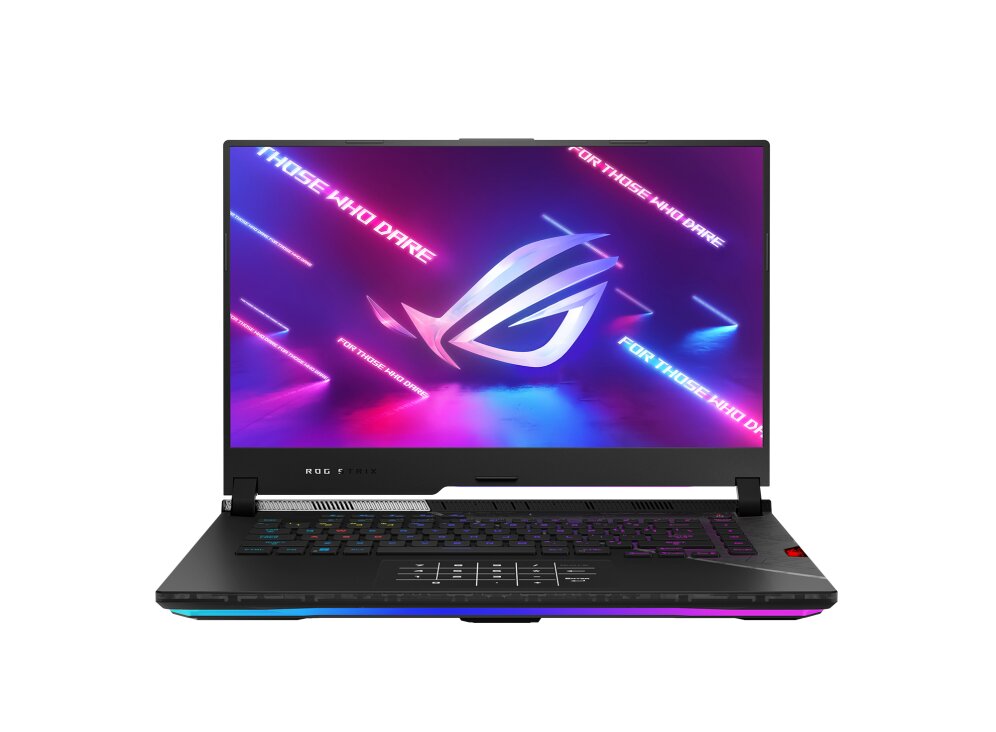

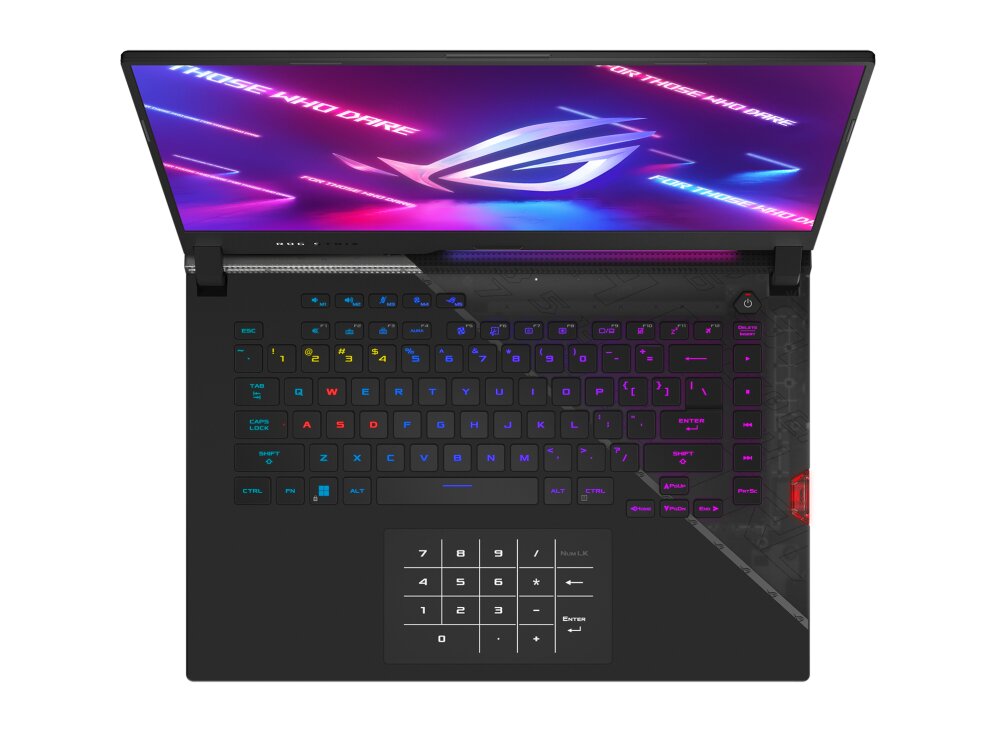


ASUS ROG Strix SCAR 15 model G533ZW-LN110W supports DDR5-SDRAM memory upgrades through 2x SO-DIMM slots. Maximum compatible RAM capacity reaches 64 GB, with specifications supporting DDR5-4800 MHz frequency. Memory upgrade utilizes SO-DIMM form factor, enabling modular expansion of the laptop's RAM configuration for enhanced multitasking and performance capabilities.
Memory Upgrade Specifications
| Specification | Value |
|---|---|
| Memory slots | 2x SO-DIMM |
| Form factor | SO-DIMM |
| Memory type | DDR5-SDRAM |
| Frequency | 4800 MHz |
| Maximum RAM | 64 GB |
| Voltage | 1.1V |
| Number of pins | 262-pin |
| Interface | PC5 |
| PC Speed Rating | PC5-4800 (PC5-38400) |
| Bandwidth | 38.4 GB/s |
| Laptop Release date | 14 April 2023 |
Additional Notes
- The ASUS ROG G533ZW-LN110W accepts only DDR5 modules, making DDR4 SO-DIMMs incompatible regardless of capacity or speed ratings.
- Both memory slots must be populated with identical capacity and speed modules to enable dual-channel operation, which doubles theoretical memory bandwidth to 76.8 GB/s per channel.
- Single-channel configurations halve available memory bandwidth, creating potential bottlenecks during simultaneous CPU and GPU memory access operations.
- The 64 GB ceiling requires 2x32 GB modules, as 4 slots are not available and single-module configurations would sacrifice dual-channel performance.
- Modules rated above 4800 MHz will downclock to this frequency limit, offering no performance advantage despite higher cost.
- SO-DIMM form factor compatibility excludes standard desktop DIMM modules, which differ in physical dimensions and pin configuration.
- Memory timing parameters below JEDEC DDR5-4800 specifications may reduce latency, though compatibility depends on motherboard support for XMP 3.0 or similar profiles.
- Installation requires accessing the bottom panel, where electrostatic discharge precautions prevent component damage during module insertion.
- Mixing modules with different CAS latencies forces both to operate at the higher latency value, negating the performance benefit of lower-latency modules.
- Warranty preservation typically allows user-installed memory upgrades, though verification of regional service policies prevents coverage disputes.