ASUS ROG G533ZX-HF067W RAM upgrade specifications
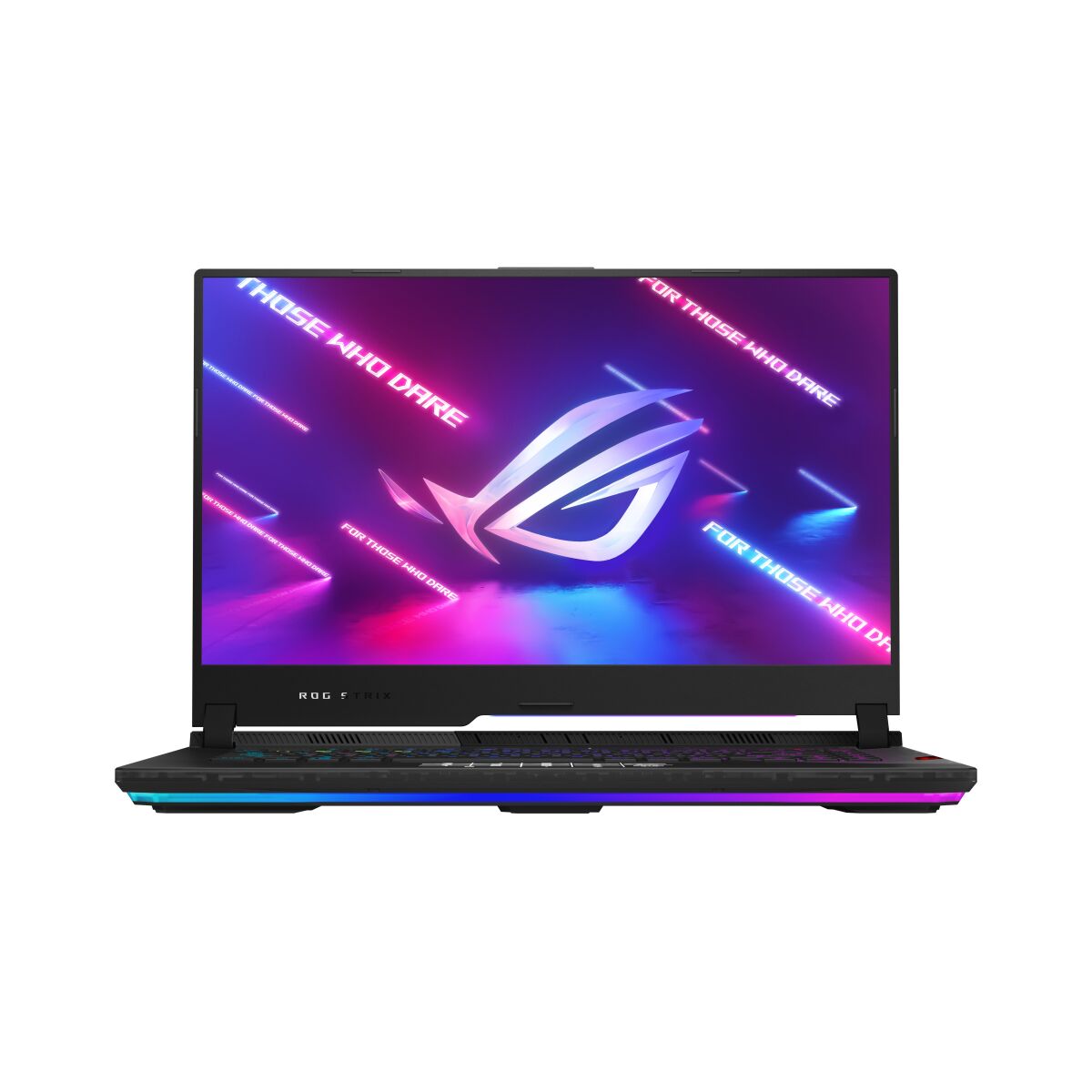
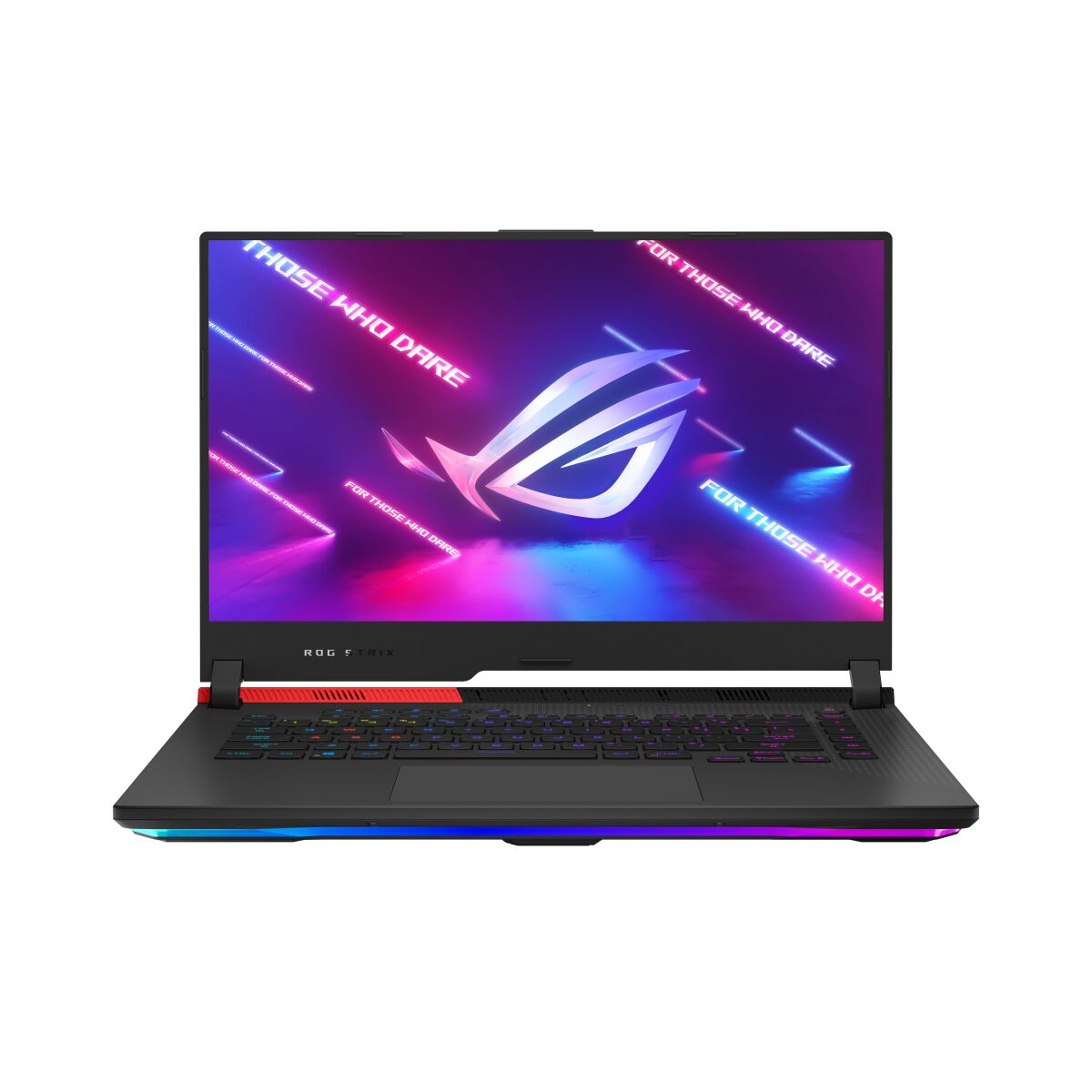


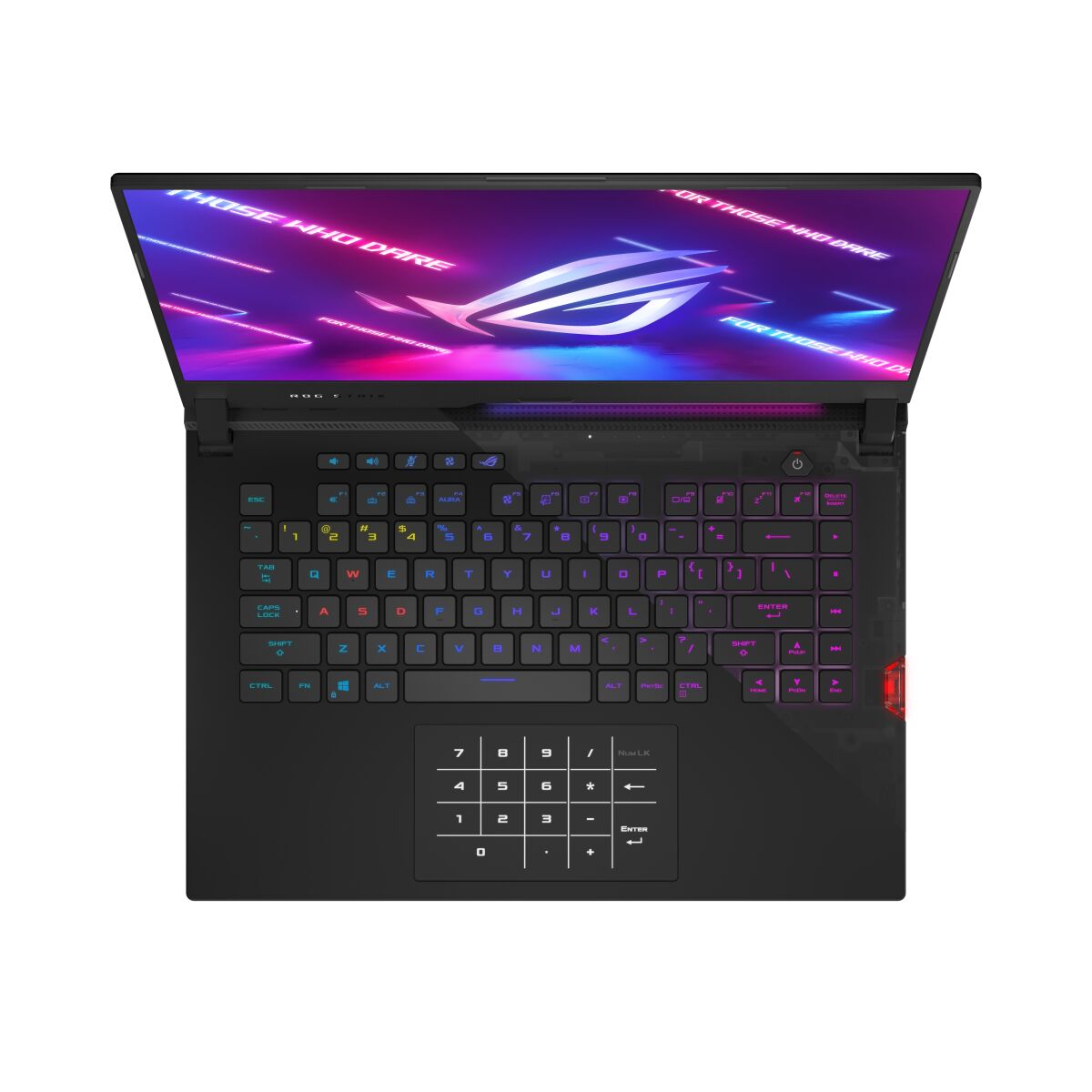
ASUS ROG Strix SCAR 15 G533ZX-HF067W laptop RAM upgrade specifications indicate DDR5-SDRAM memory compatible with 2x SO-DIMM slots. Maximum supported memory capacity reaches 64 GB total. Memory operates at 4800 MHz frequency. Form factor utilizes SO-DIMM configuration for this gaming laptop model. Upgrade options allow for memory expansion within specified slots and maximum capacity parameters.
Memory Upgrade Specifications
| Specification | Value |
|---|---|
| Memory slots | 2x SO-DIMM |
| Form factor | SO-DIMM |
| Memory type | DDR5-SDRAM |
| Frequency | 4800 MHz |
| Maximum RAM | 64 GB |
| Voltage | 1.1V |
| Number of pins | 262-pin |
| Interface | PC5 |
| PC Speed Rating | PC5-4800 (PC5-38400) |
| Bandwidth | 38.4 GB/s |
| Laptop Release date | 04 February 2022 |
Additional Notes
- The ASUS ROG G533ZX-HF067W utilizes dual-channel architecture through its 2 SO-DIMM slots, meaning unmatched module capacities or speeds will force the system to operate in single-channel mode, effectively halving memory bandwidth.
- DDR5 modules operate with mandatory on-die ECC, which differs from traditional ECC DIMM requirements and is not user-configurable on this consumer platform.
- The 64 GB ceiling restricts configurations to 2x32 GB modules when maximizing capacity, eliminating flexibility for asymmetric dual-channel setups above this threshold.
- DDR5-4800 represents the JEDEC baseline specification; higher-rated modules will downclock to 4800 MHz unless the system firmware supports XMP 3.0 or EXPO overclocking profiles.
- SO-DIMM DDR5 modules require 1.1V standard voltage, and voltage adjustment capabilities are typically locked in laptop BIOS implementations, preventing manual tuning.
- Physical installation requires verifying the keying notch position specific to DDR5, as DDR4 SO-DIMMs are mechanically incompatible despite identical slot dimensions.
- Mixed-density configurations, such as pairing 16 GB with 32 GB modules, will function but may introduce asymmetric channel population affecting interleaving efficiency.
- Thermal constraints in the chassis may throttle performance before memory reaches thermal limits, as DDR5 generates more heat than DDR4 at equivalent speeds.
- Third-party modules must conform to JEDEC DDR5 timing specifications at 4800 MHz; non-standard subtimings can cause POST failures or stability issues during sustained workloads.
- Warranty preservation typically requires maintaining factory-sealed status on memory compartment covers, though RAM upgrades themselves are generally permitted under most regional consumer protection regulations.