ASUS ROG G533ZX-LN006W RAM upgrade specifications
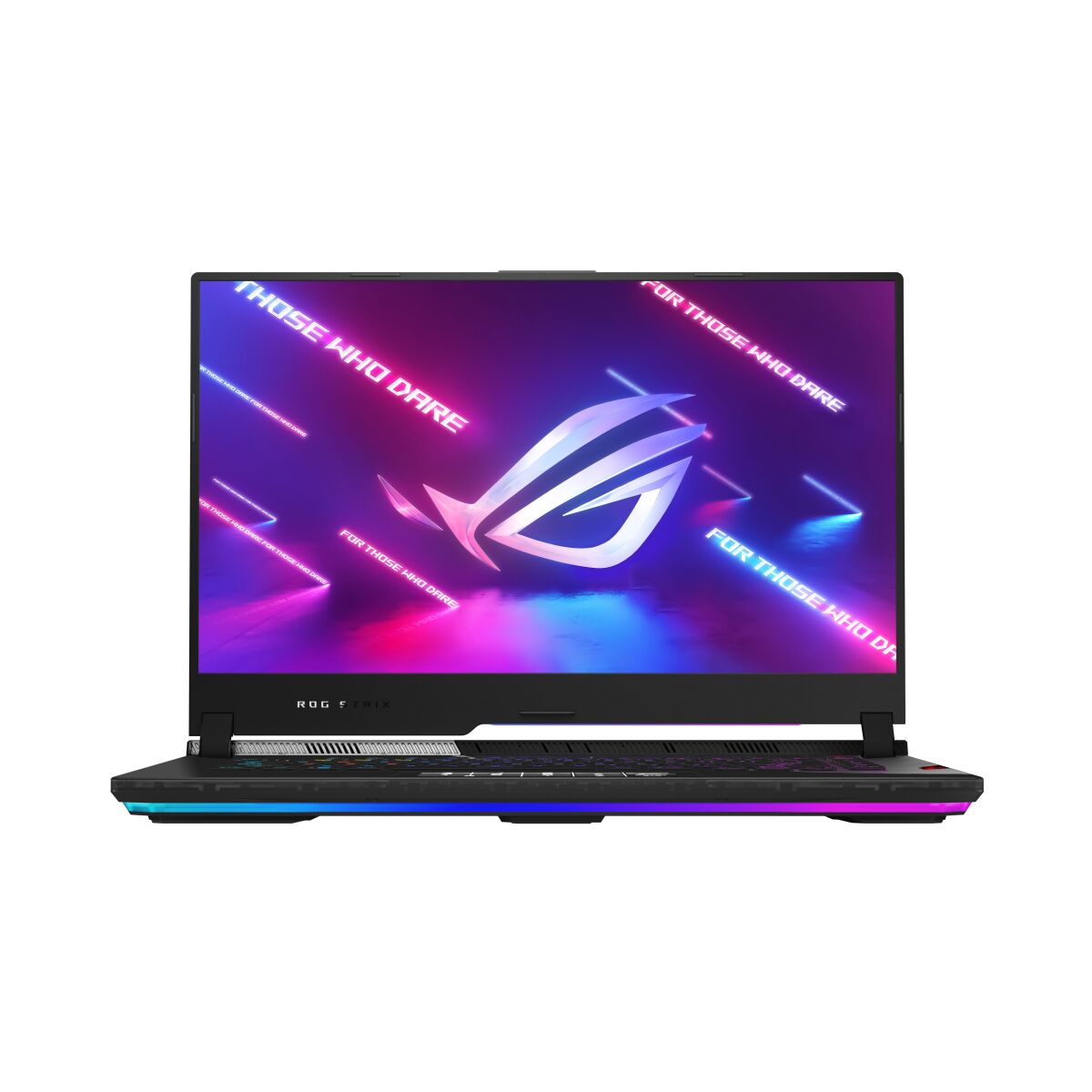




The ASUS ROG Strix SCAR 15 G533ZX-LN006W supports DDR5-SDRAM memory upgrades through two SO-DIMM slots. Maximum compatible RAM capacity reaches 64 GB total. Memory specifications include DDR5-SDRAM with 4800 MHz frequency support. Upgrade options utilize SO-DIMM form factor modules. Specifications confirm dual-slot configuration enables RAM expansion for enhanced system performance and multitasking capabilities.
Memory Upgrade Specifications
| Specification | Value |
|---|---|
| Memory slots | 2x SO-DIMM |
| Form factor | SO-DIMM |
| Memory type | DDR5-SDRAM |
| Frequency | 4800 MHz |
| Maximum RAM | 64 GB |
| Voltage | 1.1V |
| Number of pins | 262-pin |
| Interface | PC5 |
| PC Speed Rating | PC5-4800 (PC5-38400) |
| Bandwidth | 38.4 GB/s |
| Laptop Release date | 10 March 2022 |
Additional Notes
- The ASUS ROG G533ZX-LN006W utilizes DDR5 technology, which operates at higher voltages and different signaling protocols than DDR4, preventing backward compatibility with previous generation modules.
- DDR5 SO-DIMM architecture requires onboard power management integrated circuits, meaning modules lacking this component will fail to initialize during POST.
- The 4800 MHz frequency specification represents JEDEC standard speed for DDR5, though the memory controller may support XMP 3.0 profiles for higher frequencies if enabled in UEFI firmware.
- 64 GB maximum capacity constraint indicates chipset and processor memory controller limitations, restricting single-slot density to 32 GB modules at current technology nodes.
- Dual-channel SO-DIMM configuration requires identical module specifications across both slots for optimal interleaved memory access patterns and full bandwidth utilization.
- DDR5 error correction operates at the module level through on-die ECC, independent from traditional system-level ECC support found in server platforms.
- Thermal considerations become critical above 4800 MHz speeds, as higher frequency DDR5 modules generate increased heat dissipation that laptop cooling systems may not adequately manage.
- SO-DIMM physical access typically requires bottom panel removal, and warranty preservation depends on whether regional consumer protection laws classify RAM upgrades as user-serviceable maintenance.
- Mixed-capacity configurations remain functional but force the memory controller to operate in asymmetric mode, reducing performance compared to matched-pair installations.
- Voltage regulation for DDR5 occurs on the module itself rather than motherboard-level, meaning incompatible voltage requests from mismatched modules can prevent system boot.