ASUS ROG G634JYR-RA026W RAM upgrade specifications

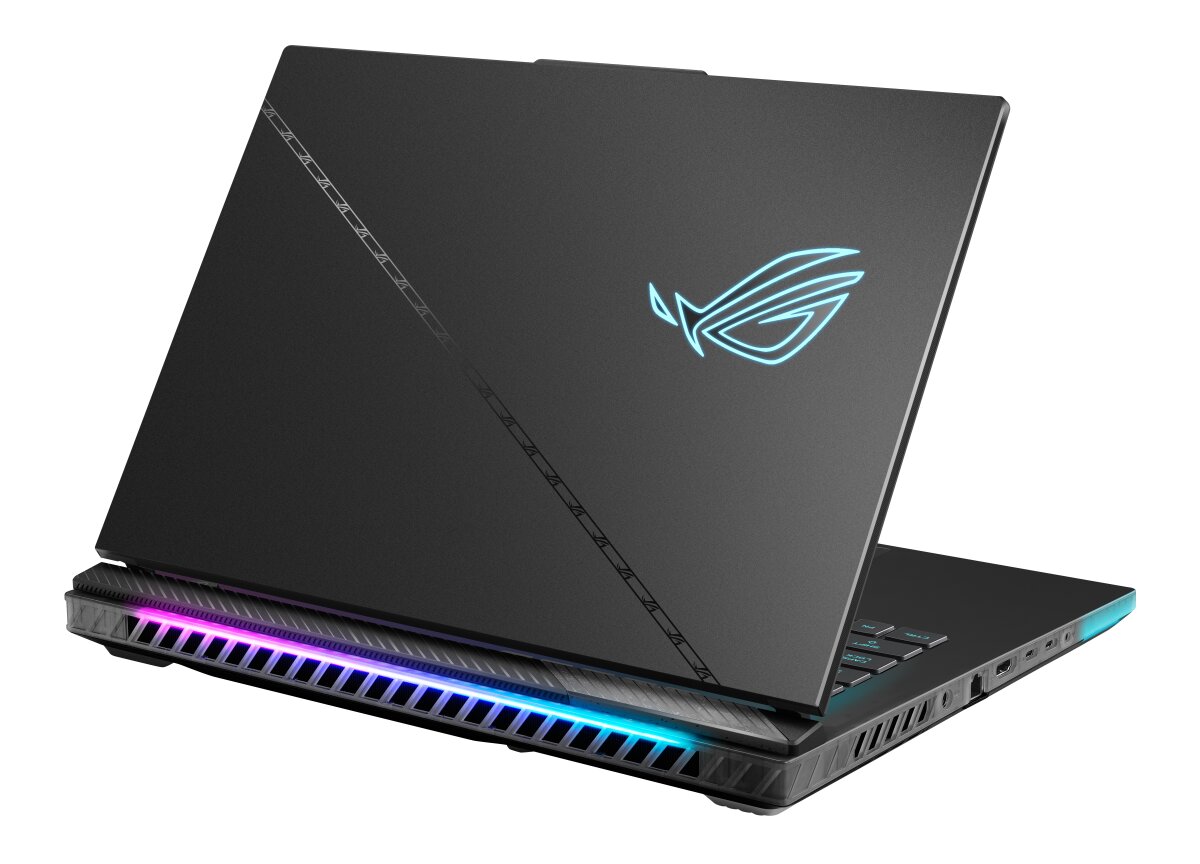
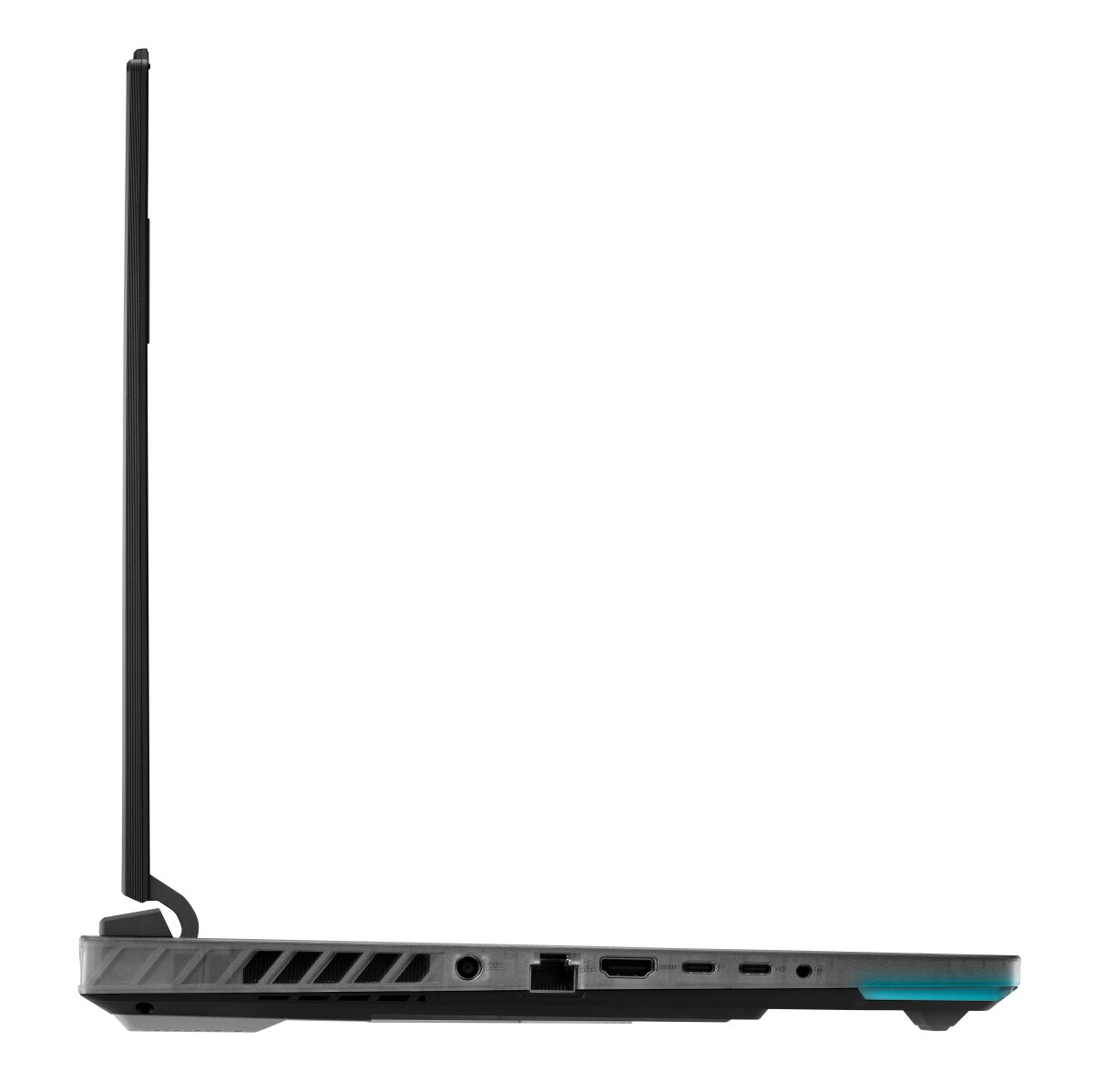
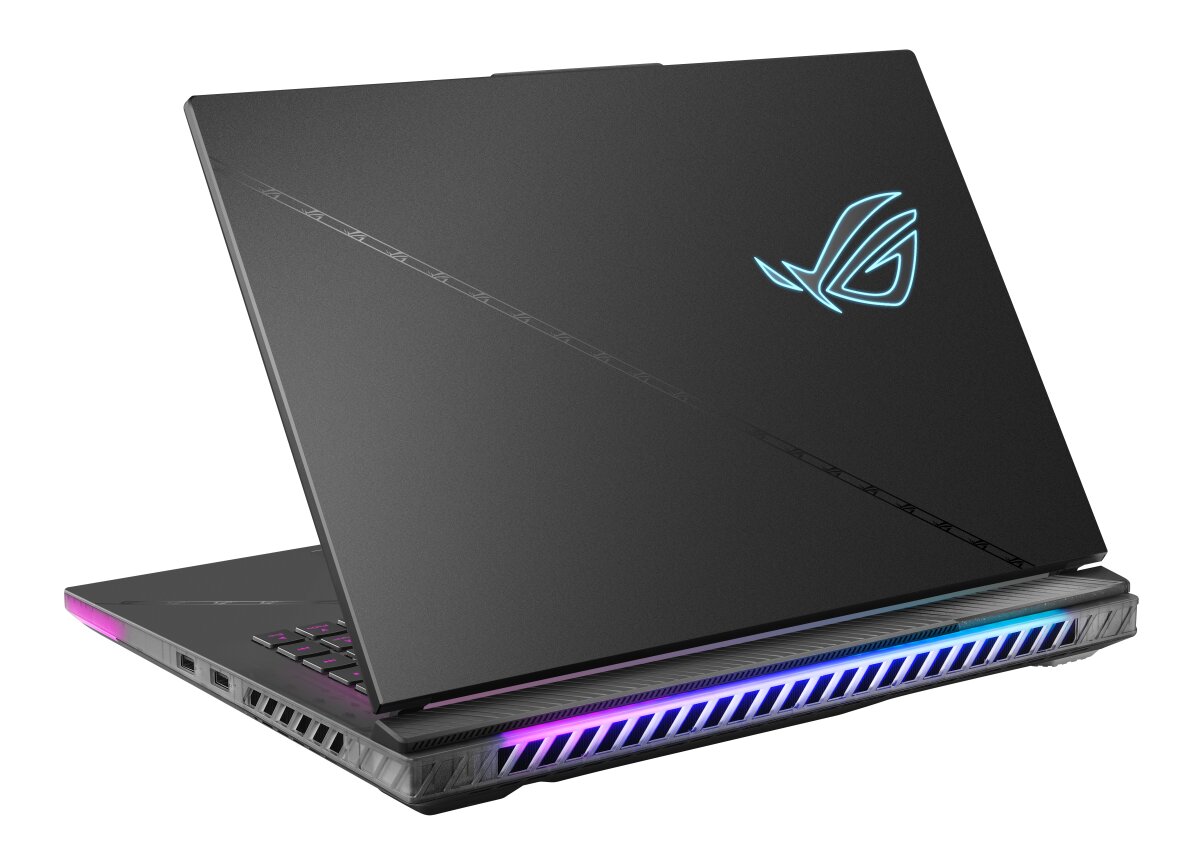
ASUS ROG Strix SCAR 16 model G634JYR-RA026W specifications include DDR5-SDRAM memory upgrade capacity. The laptop contains 2x SO-DIMM slots supporting maximum RAM of 64 GB total capacity. Compatible memory operates at 5600 MHz frequency with SO-DIMM form factor. Specifications indicate available upgrade slots for DDR5-SDRAM modules, enabling memory expansion to the maximum supported capacity.
Memory Upgrade Specifications
| Specification | Value |
|---|---|
| Memory slots | 2x SO-DIMM |
| Form factor | SO-DIMM |
| Memory type | DDR5-SDRAM |
| Frequency | 5600 MHz |
| Maximum RAM | 64 GB |
| Voltage | 1.1V |
| Number of pins | 262-pin |
| Interface | PC5 |
| PC Speed Rating | PC5-5600 (PC5-44800) |
| Bandwidth | 44.8 GB/s |
| Laptop Release date | 09 January 2024 |
Additional Notes
- Dual channel memory architecture requires installing modules in pairs of identical capacity and speed to maximize memory bus bandwidth.
- The maximum capacity limit indicates a motherboard firmware restriction that prevents the recognition of 48 GB or 64 GB single density modules.
- Installation of memory modules with frequencies higher than 5600 MHz will result in automatic downclocking to the processor memory controller limit.
- The 2 SO-DIMM slot configuration necessitates the removal of existing modules to reach maximum capacity because no empty expansion slots remain if both are occupied from the factory.
- High performance DDR5 modules in the **ASUS ROG G634JYR-RA026W** generate concentrated thermal energy which relies on the internal heat spreader and chassis airflow for dissipation.
- Mixing memory modules with different timings or CAS latency will force the system to operate at the slowest common denominator, potentially increasing system latency.
- The SO-DIMM form factor implies a physical clearance height restriction within the chassis that precludes the use of modules with integrated oversized aftermarket heatsinks.
- Upgrading beyond the factory configuration typically requires a CMOS reset or a long first boot cycle to allow the BIOS to perform memory training for the new hardware signature.