ASUS ROG G634JZ-N4004W RAM upgrade specifications
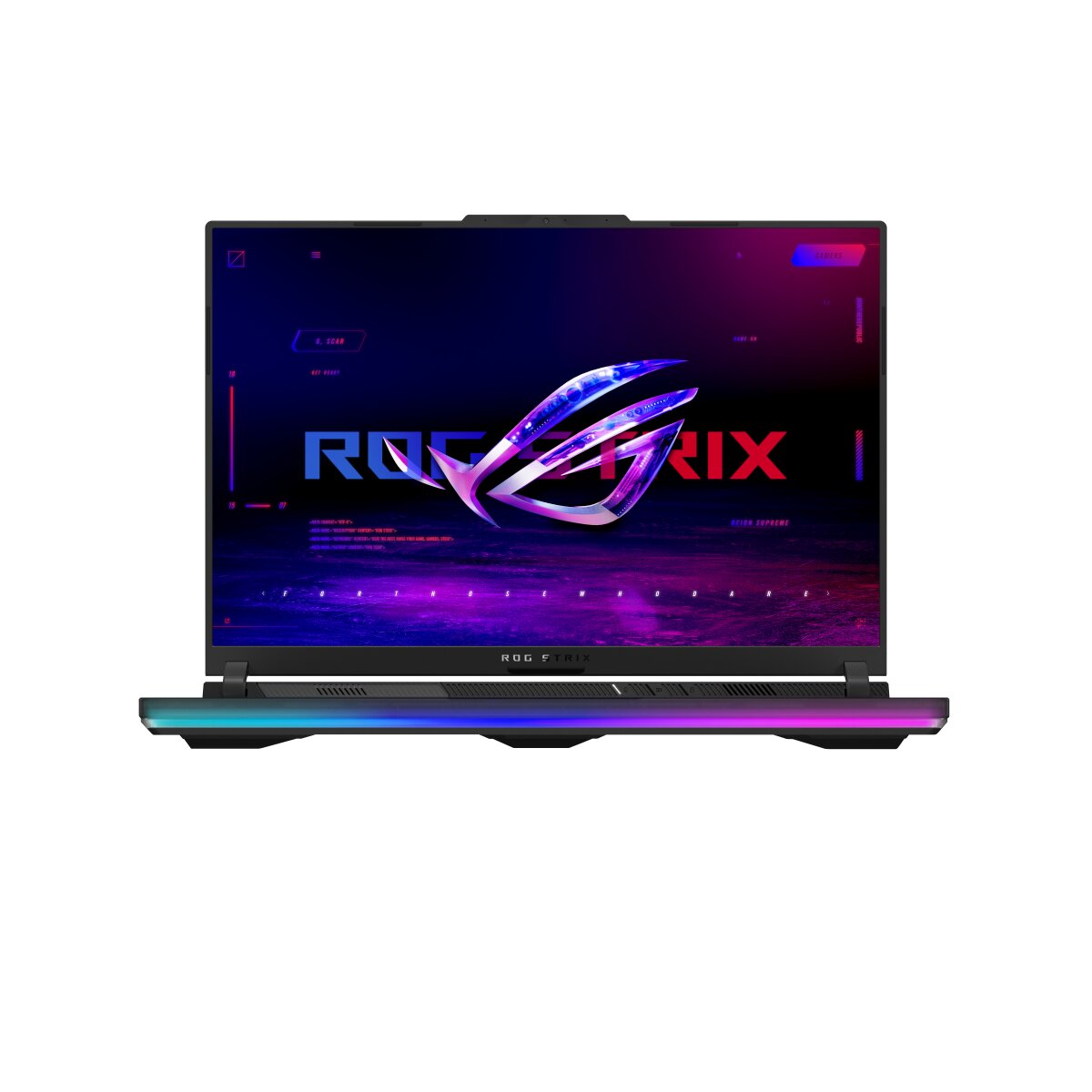




ASUS ROG Strix SCAR 16 model G634JZ-N4004W features DDR5-SDRAM memory upgrade specifications with maximum capacity of 64 GB. The laptop contains 2x SO-DIMM slots supporting DDR5-4800 MHz modules. Compatible memory upgrades utilize SO-DIMM form factor for DDR5 specifications. Maximum RAM configuration reaches 64 GB total capacity through dual-slot architecture. Memory specifications enable high-performance computing with DDR5 technology and 4800 MHz frequency support for enhanced multitasking and demanding applications.
Memory Upgrade Specifications
| Specification | Value |
|---|---|
| Memory slots | 2x SO-DIMM |
| Form factor | SO-DIMM |
| Memory type | DDR5-SDRAM |
| Frequency | 4800 MHz |
| Maximum RAM | 64 GB |
| Voltage | 1.1V |
| Number of pins | 262-pin |
| Interface | PC5 |
| PC Speed Rating | PC5-4800 (PC5-38400) |
| Bandwidth | 38.4 GB/s |
| Laptop Release date | 04 February 2023 |
Additional Notes
- The ASUS ROG G634JZ-N4004W accommodates DDR5 memory exclusively, which eliminates backward compatibility with legacy DDR4 modules and restricts upgrade sourcing to current-generation components.
- The 2 SO-DIMM slot configuration creates a single-channel bottleneck if only one module is installed, reducing effective bandwidth by approximately 50% compared to dual-channel operation and degrading performance in memory-intensive workloads.
- The 64 GB maximum capacity ceiling limits expansion beyond simultaneous multitasking scenarios involving virtual machines, large dataset processing, or professional content creation workflows; reaching this limit requires 2x32 GB modules.
- DDR5-4800 MHz operation indicates support for JEDEC standard frequencies rather than high-end overclocked profiles, meaning aftermarket modules rated above 5600 MHz will downclock to specification and provide no functional advantage.
- SO-DIMM form factor necessitates compact low-profile memory modules; standard full-height cooling heatsinks may contact internal components or create thermal interference within the chassis, requiring verification of component clearance before installation.
- Single-rank versus dual-rank module selection affects capacity planning: upgrading from 2x16 GB to 2x32 GB modules may introduce latency variations depending on chip configuration, though both configurations remain within warranty-safe parameters if components meet DDR5-4800 specifications.
- The 2-slot architecture provides no redundancy for isolated testing; a single failed DIMM renders the system non-functional, unlike larger platforms where one module can remain installed for diagnostics.