ASUS ROG G634JZ-N4011W RAM upgrade specifications
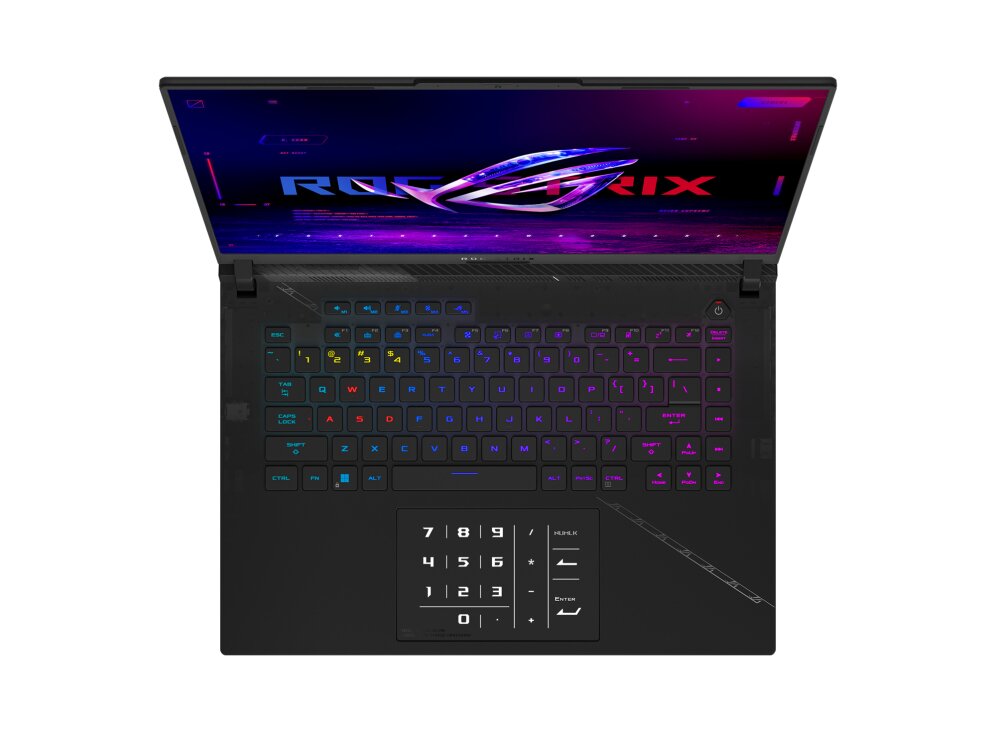




ASUS ROG Strix SCAR 16 G634JZ-N4011W supports DDR5-SDRAM memory upgrades through two SO-DIMM slots. Maximum RAM capacity reaches 64 GB with DDR5-4800 MHz frequency specifications. Compatible memory modules operate at 4800 MHz standards. Upgrade configurations accommodate dual-channel memory installations via SO-DIMM form factor slots. DDR5 memory specifications provide enhanced bandwidth performance for gaming and professional applications. Two available slots enable flexible capacity configurations, supporting single or dual-module memory upgrade options up to the maximum 64 GB threshold.
Memory Upgrade Specifications
| Specification | Value |
|---|---|
| Memory slots | 2x SO-DIMM |
| Form factor | SO-DIMM |
| Memory type | DDR5-SDRAM |
| Frequency | 4800 MHz |
| Maximum RAM | 64 GB |
| Voltage | 1.1V |
| Number of pins | 262-pin |
| Interface | PC5 |
| PC Speed Rating | PC5-4800 (PC5-38400) |
| Bandwidth | 38.4 GB/s |
| Laptop Release date | 09 March 2023 |
Additional Notes
- The ASUS ROG G634JZ-N4011W requires SO-DIMM modules exclusively, which eliminates compatibility with standard DIMM memory sticks designed for desktop systems.
- DDR5-SDRAM operates at higher voltages and uses a different pin configuration than DDR4, preventing backward compatibility with older generation modules.
- The 64 GB maximum capacity constraint means each slot supports up to 32 GB modules, creating a hard ceiling for users requiring larger memory pools for virtual machines or professional workloads.
- The 4800 MHz frequency represents the baseline DDR5 speed, which may create bandwidth limitations for applications that benefit from higher-speed memory available in 5200 MHz or 5600 MHz variants.
- Installing mixed-capacity modules will force the system to run in asymmetric dual-channel mode, potentially reducing memory bandwidth compared to matched pairs.
- The SO-DIMM form factor requires shorter physical dimensions than desktop memory, limiting heat spreader size and potentially affecting thermal performance during sustained high-frequency operations.
- Upgrading beyond the factory configuration typically voids specific warranty clauses unless the manufacturer explicitly permits user-serviceable memory replacement.
- DDR5's on-die ECC functionality operates independently of registered ECC memory, meaning error correction occurs at the module level rather than requiring specific ECC-registered SO-DIMMs.
- The 2 slot configuration prevents incremental upgrades beyond 64 GB without replacing existing modules entirely, increasing the cost barrier for capacity expansion.
- Mixing modules with different speed ratings will downclock all memory to the slowest module's frequency, negating the benefits of higher-speed purchases.