ASUS ROG G634JZ-N4040W RAM upgrade specifications
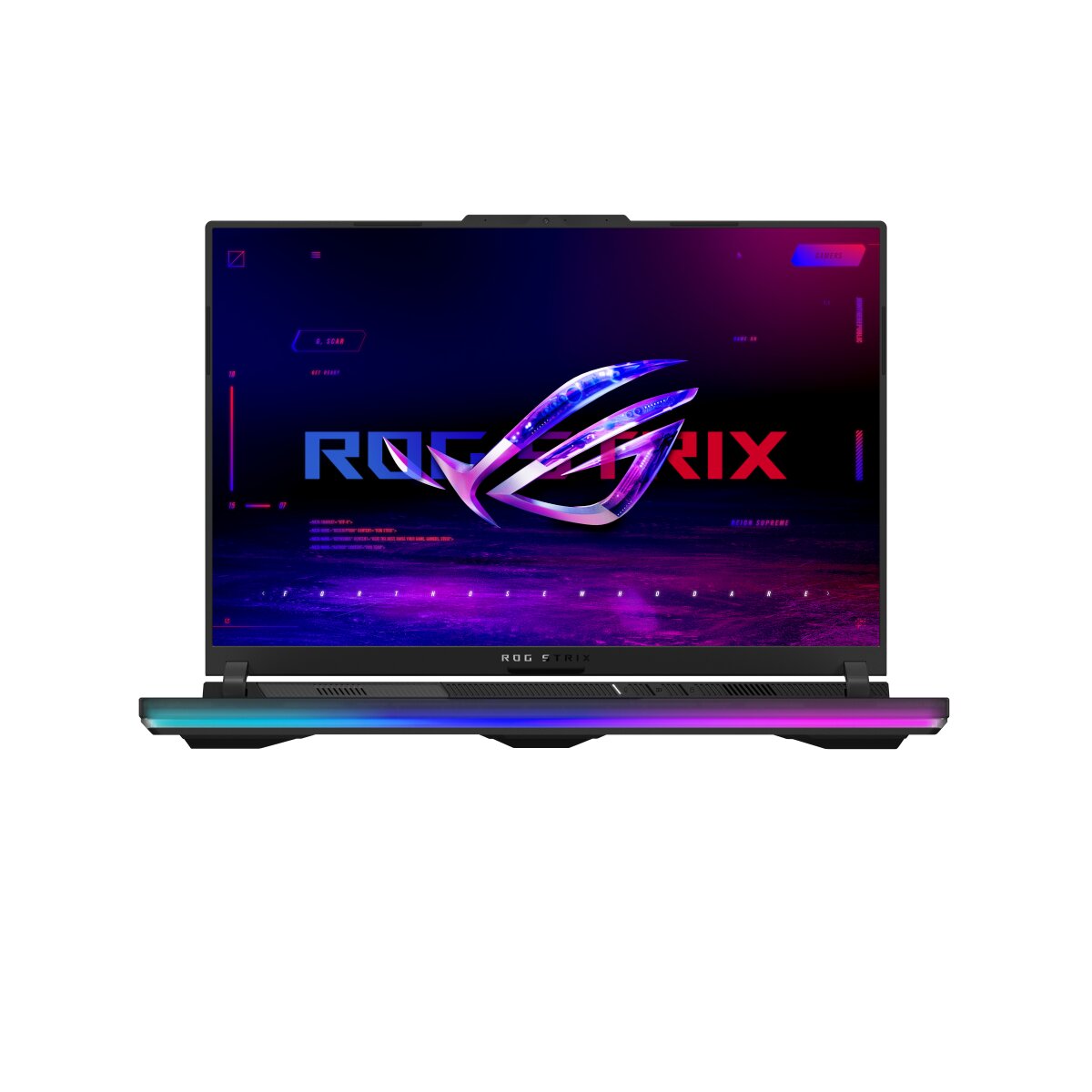
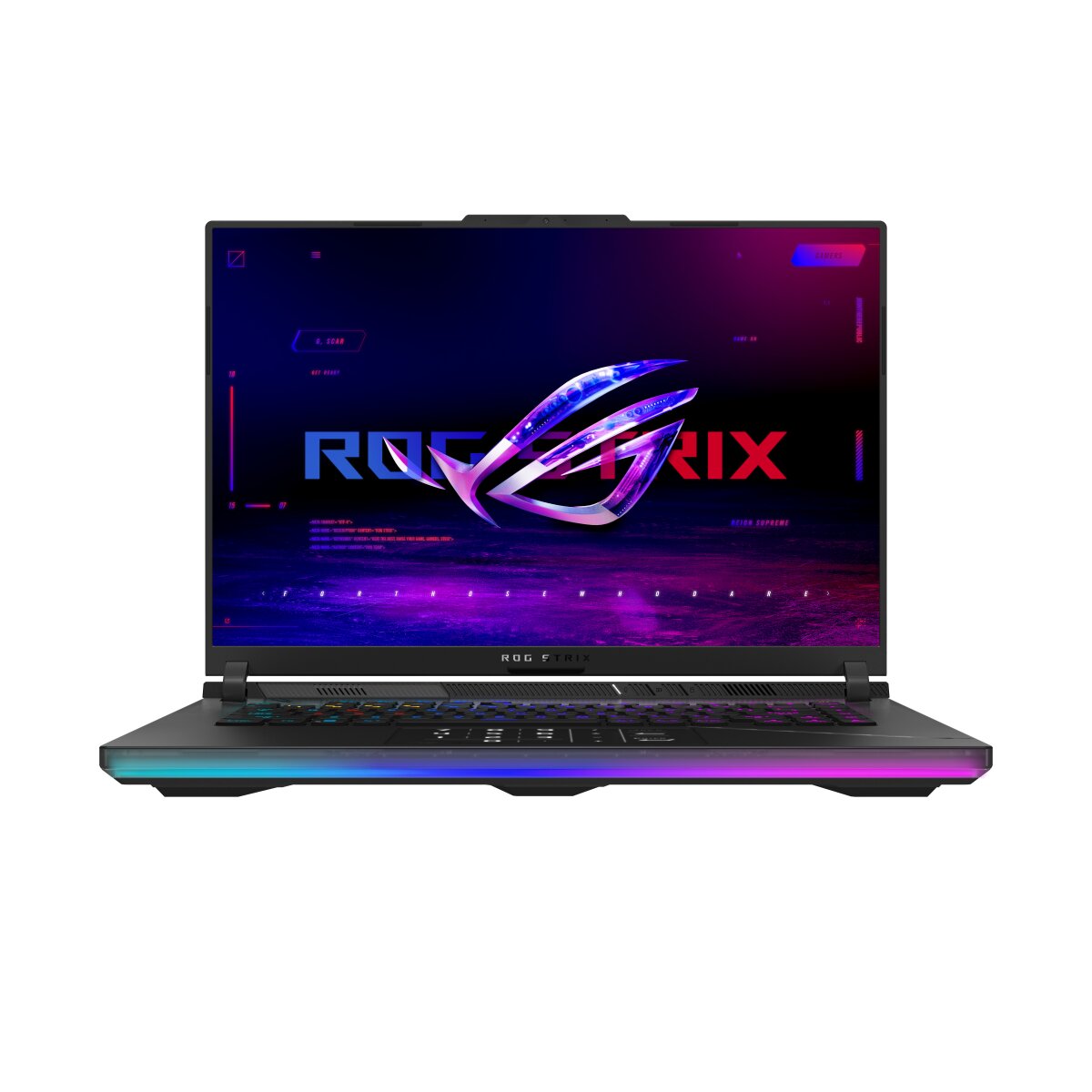
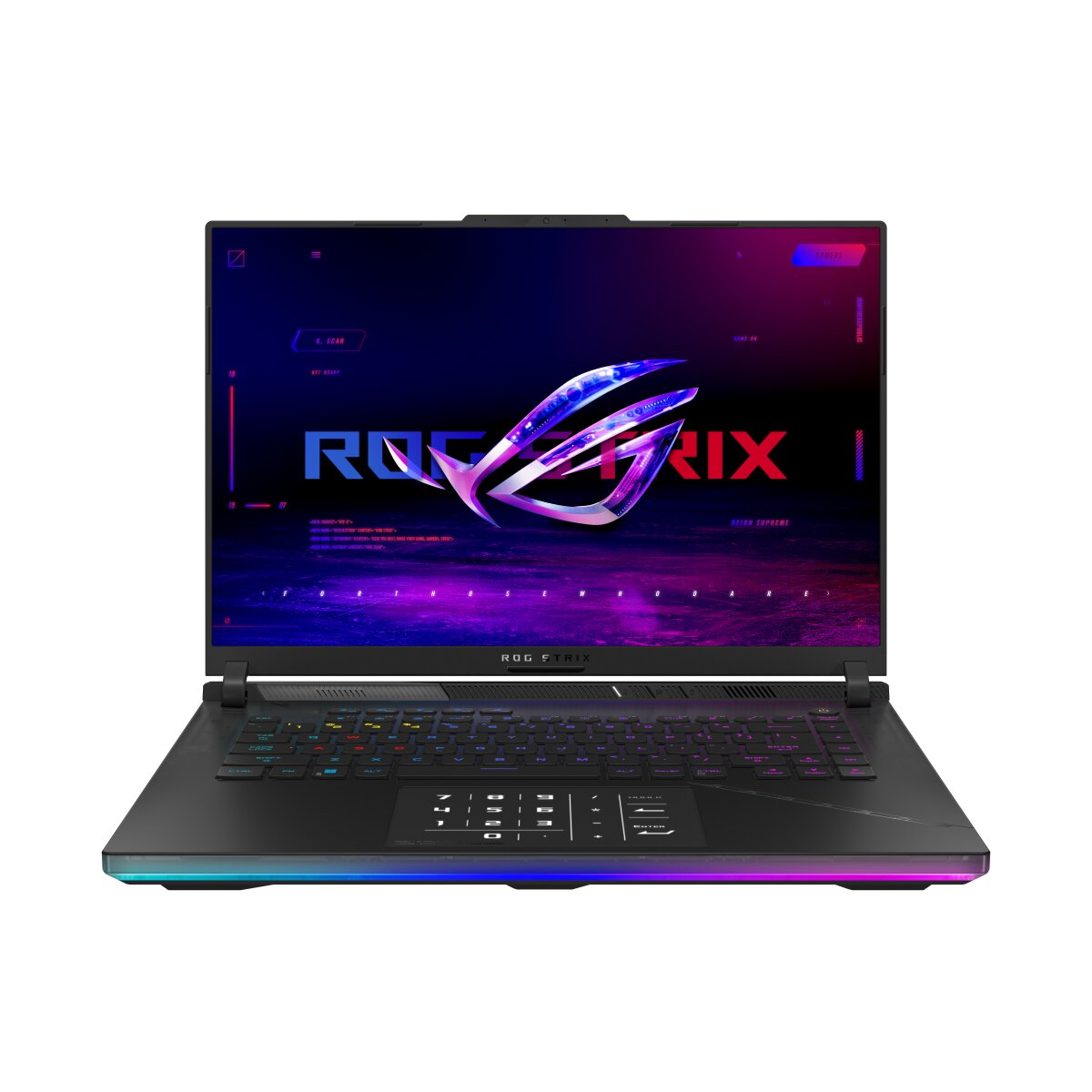


The ASUS ROG Strix SCAR 16 G634JZ-N4040W features DDR5-SDRAM memory upgrade capabilities with two SO-DIMM slots supporting maximum capacity of 64 GB. Compatible memory modules operate at 4800 MHz frequency. The laptop specifications accommodate SO-DIMM form factor RAM modules, enabling users to expand or replace existing memory configurations up to the maximum supported capacity. Upgrade options allow installation of DDR5 memory in the available slots.
Memory Upgrade Specifications
| Specification | Value |
|---|---|
| Memory slots | 2x SO-DIMM |
| Form factor | SO-DIMM |
| Memory type | DDR5-SDRAM |
| Frequency | 4800 MHz |
| Maximum RAM | 64 GB |
| Voltage | 1.1V |
| Number of pins | 262-pin |
| Interface | PC5 |
| PC Speed Rating | PC5-4800 (PC5-38400) |
| Bandwidth | 38.4 GB/s |
| Laptop Release date | 16 February 2023 |
Additional Notes
- The ASUS ROG G634JZ-N4040W's 64 GB ceiling reflects the Intel 13th generation mobile platform's controller limitations rather than motherboard restrictions.
- DDR5-4800 represents JEDEC baseline specification, indicating headroom exists for higher-binned modules if the BIOS supports XMP 3.0 or EXPO profiles.
- SO-DIMM DDR5 modules physically differ from DDR4 predecessors through altered notch positioning, preventing incorrect installation attempts.
- Dual-channel configuration requires matched module specifications across both slots to avoid asymmetric mode fallback and bandwidth reduction.
- DDR5's on-die ECC operates independently of system-level error correction, providing background data integrity without OS visibility.
- The 4800 MHz data rate translates to PC5-38400 bandwidth designation, delivering 38.4 GB/s theoretical throughput per channel.
- Voltage regulation migrated from motherboard to individual DDR5 modules via integrated PMIC chips, affecting thermal profiles during sustained workloads.
- Mixing different capacity modules between slots maintains functionality but may disable performance features like rank interleaving.
- SO-DIMM retention clips require outward pressure for release, with chassis disassembly depth varying by bottom panel design complexity.
- Non-RGB modules eliminate unnecessary controller overhead while reducing power consumption by approximately 0.5 watts per DIMM.
- CAS latency values scale proportionally with frequency increases, requiring careful comparison of absolute nanosecond timings rather than raw CL numbers.
- Warranty preservation typically permits user-replaceable memory upgrades, though verification of regional service policies remains advisable before modification.
- Operating temperature thresholds for DDR5 SO-DIMMs extend to 95°C junction temperature, though sustained operation above 85°C accelerates degradation.
- The 262-pin SO-DIMM interface maintains backward physical compatibility with DDR4 slot dimensions despite electrical incompatibility.
- Single-rank versus dual-rank module architecture impacts memory interleaving efficiency, with dual-rank configurations offering marginal latency advantages.