ASUS ROG G634JZR-NEBULA042W RAM upgrade specifications
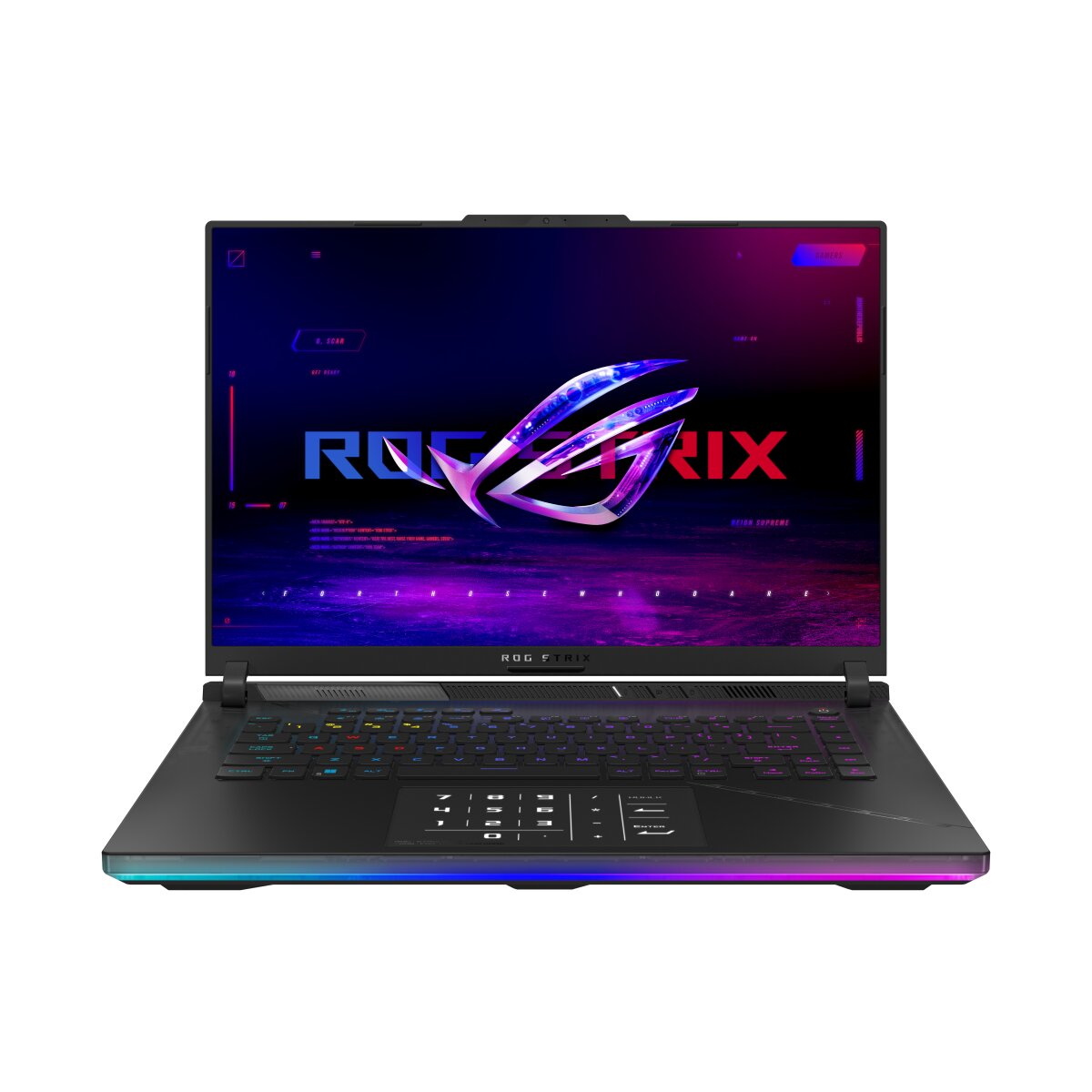
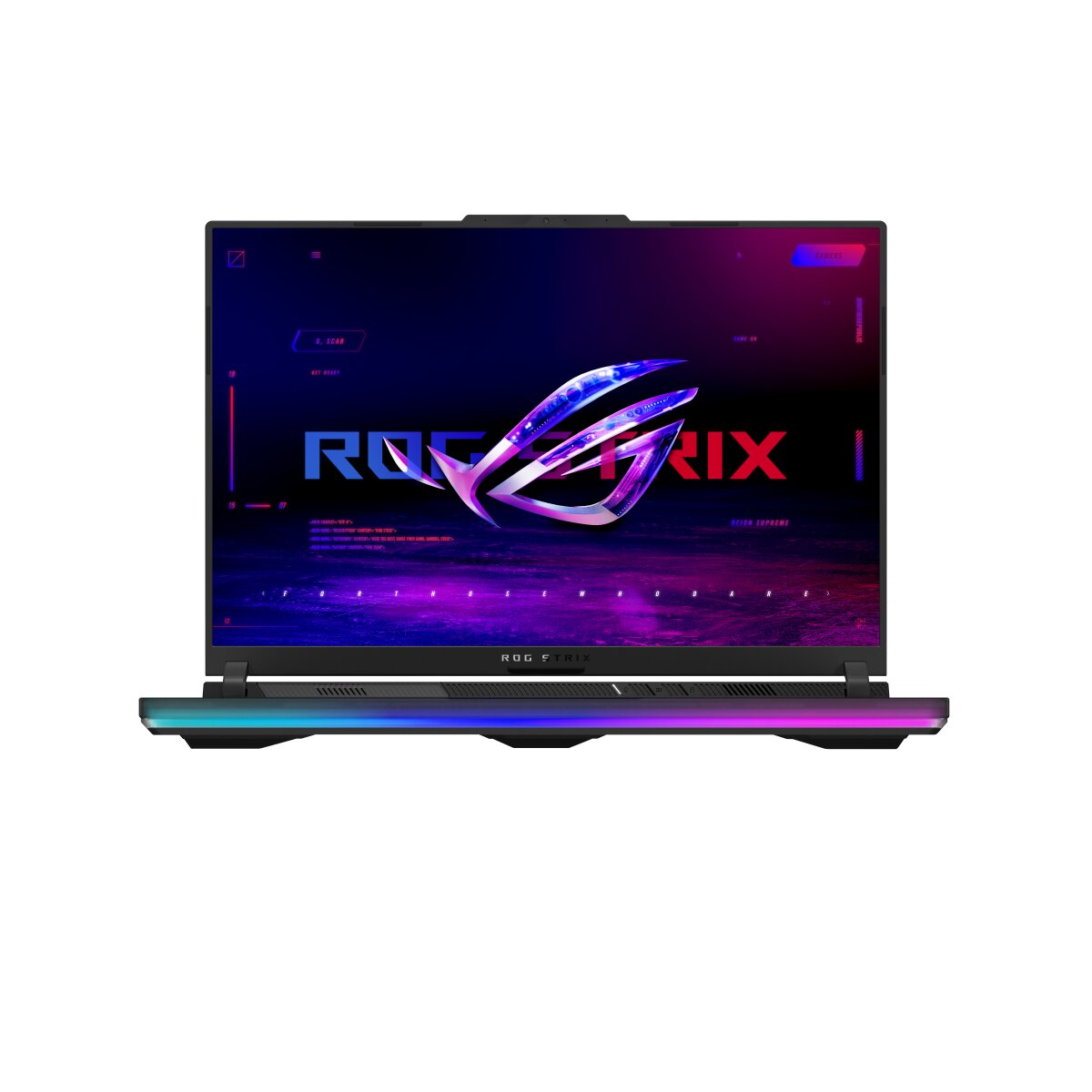
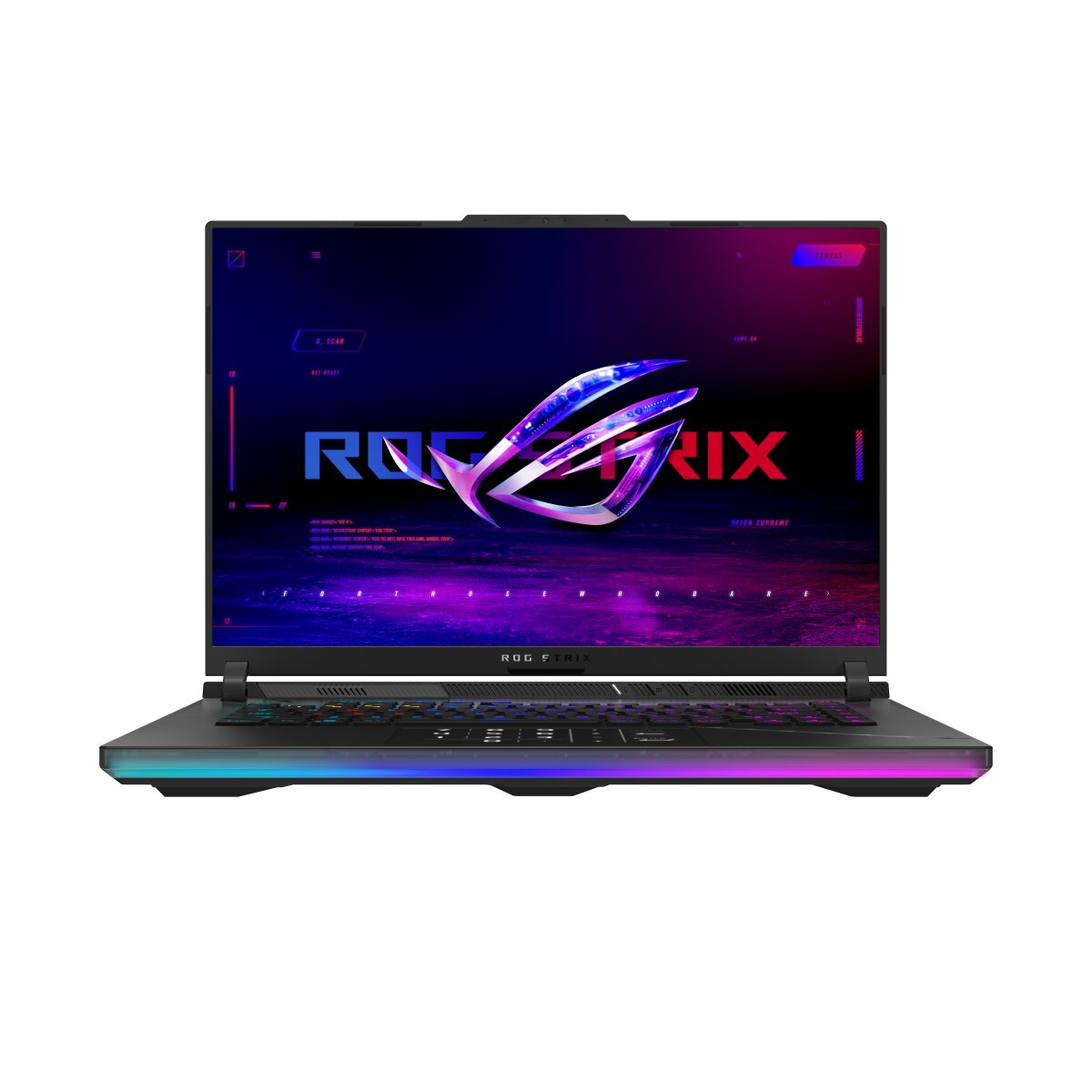
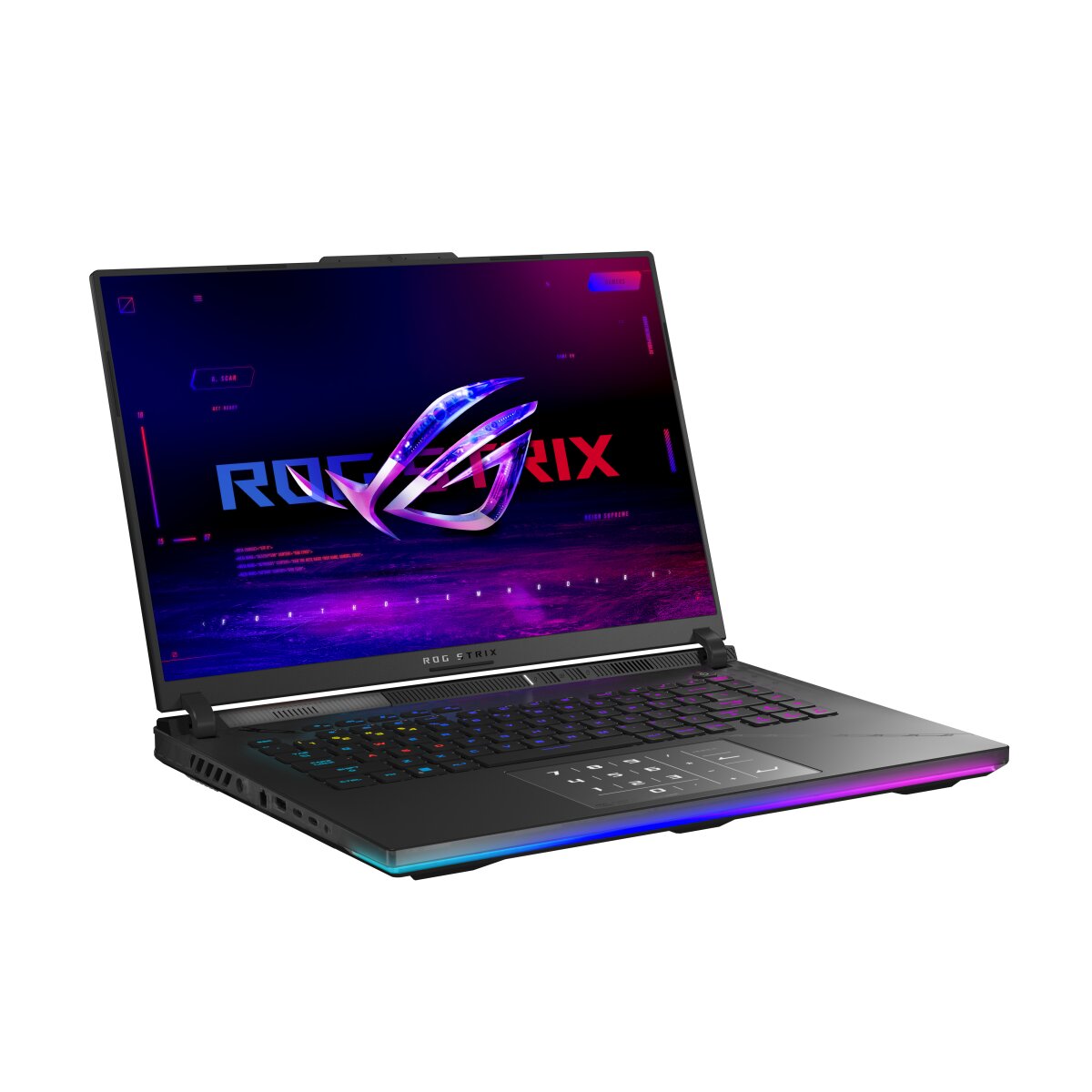
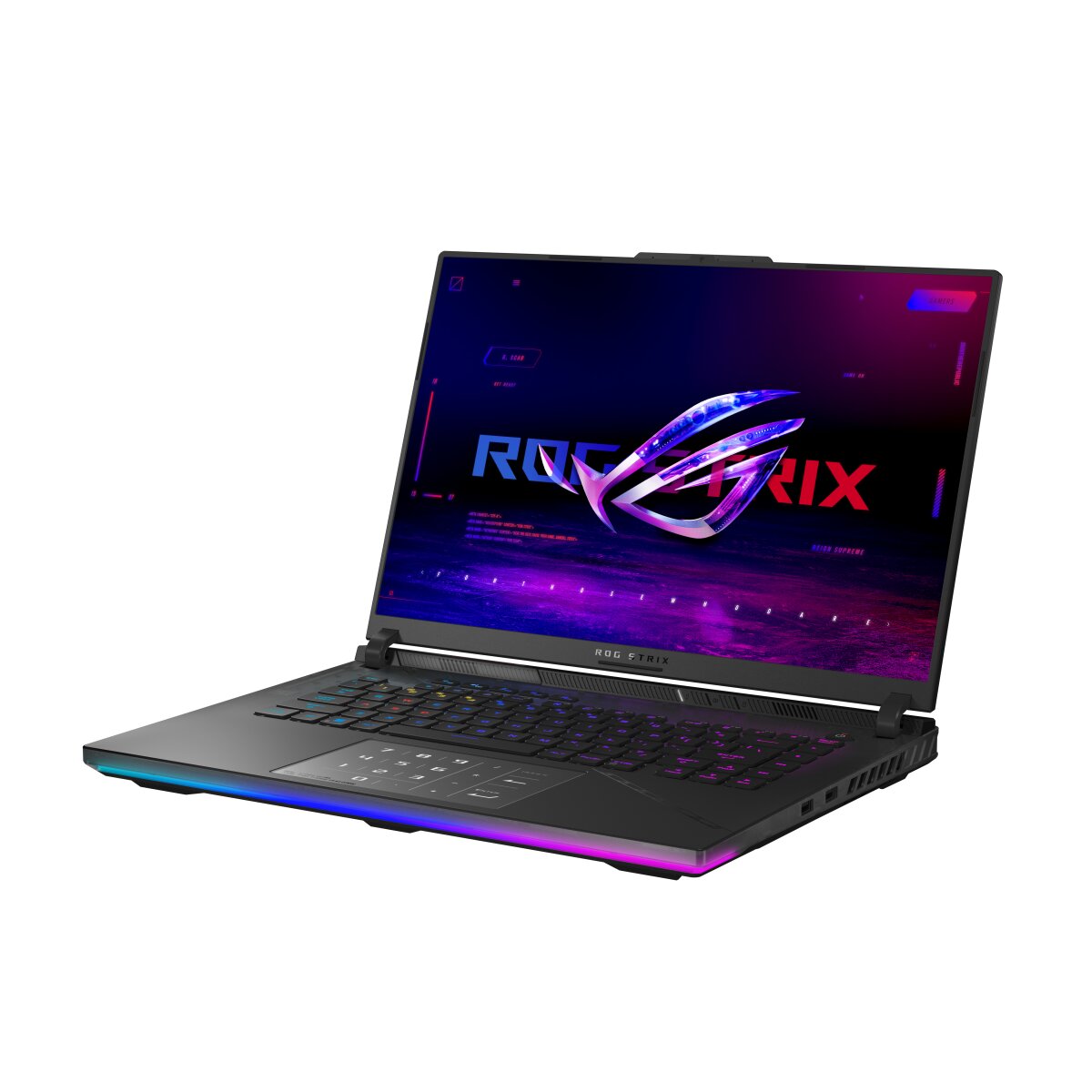
ASUS ROG Strix SCAR 16 model G634JZR-NEBULA042W supports DDR5-SDRAM memory upgrade specifications. The laptop features 2x SO-DIMM memory slots with maximum RAM capacity of 64 GB. Compatible upgrade modules operate at 5600 MHz frequency. Memory form factor specifications utilize SO-DIMM configuration. Current upgrade slots accept DDR5 memory modules compatible with the platform specifications and maximum capacity constraints.
Memory Upgrade Specifications
| Specification | Value |
|---|---|
| Memory slots | 2x SO-DIMM |
| Form factor | SO-DIMM |
| Memory type | DDR5-SDRAM |
| Frequency | 5600 MHz |
| Maximum RAM | 64 GB |
| Voltage | 1.1V |
| Number of pins | 262-pin |
| Interface | PC5 |
| PC Speed Rating | PC5-5600 (PC5-44800) |
| Bandwidth | 44.8 GB/s |
Additional Notes
- The ASUS ROG G634JZR-NEBULA042W uses SO-DIMM modules rather than standard desktop DIMMs, which limits aftermarket availability and typically increases replacement costs compared to desktop configurations.
- DDR5-SDRAM at 5600 MHz requires compatible modules with matching voltage specifications, as mixing DDR5 generations or attempting DDR4 installation will cause physical incompatibility and potential socket damage.
- The 64 GB maximum ceiling enforces a 32 GB per slot limit when fully populated, eliminating support for higher-density modules that may become available in future market cycles.
- Dual-channel architecture through 2 SO-DIMM slots requires matched module pairs for optimal bandwidth utilization, as mismatched capacities or timings will force operation at the lowest common specifications.
- Native 5600 MHz support depends on motherboard and processor capabilities remaining within JEDEC specifications, while higher advertised speeds through XMP/EXPO profiles may void warranty coverage or require BIOS intervention.
- SO-DIMM installation in laptops necessitates bottom panel removal and potential warranty seal breakage, depending on regional service policies and manufacturer access design.
- Operating frequency at 5600 MHz generates increased heat output compared to lower-speed DDR5 variants, requiring adequate chassis ventilation to prevent thermal throttling during sustained memory-intensive operations.
- Single-rank versus dual-rank module selection within the 64 GB limit affects memory interleaving performance, with rank configuration influencing bandwidth in integrated graphics scenarios.