ASUS ROG G634JZR-RA034W RAM upgrade specifications

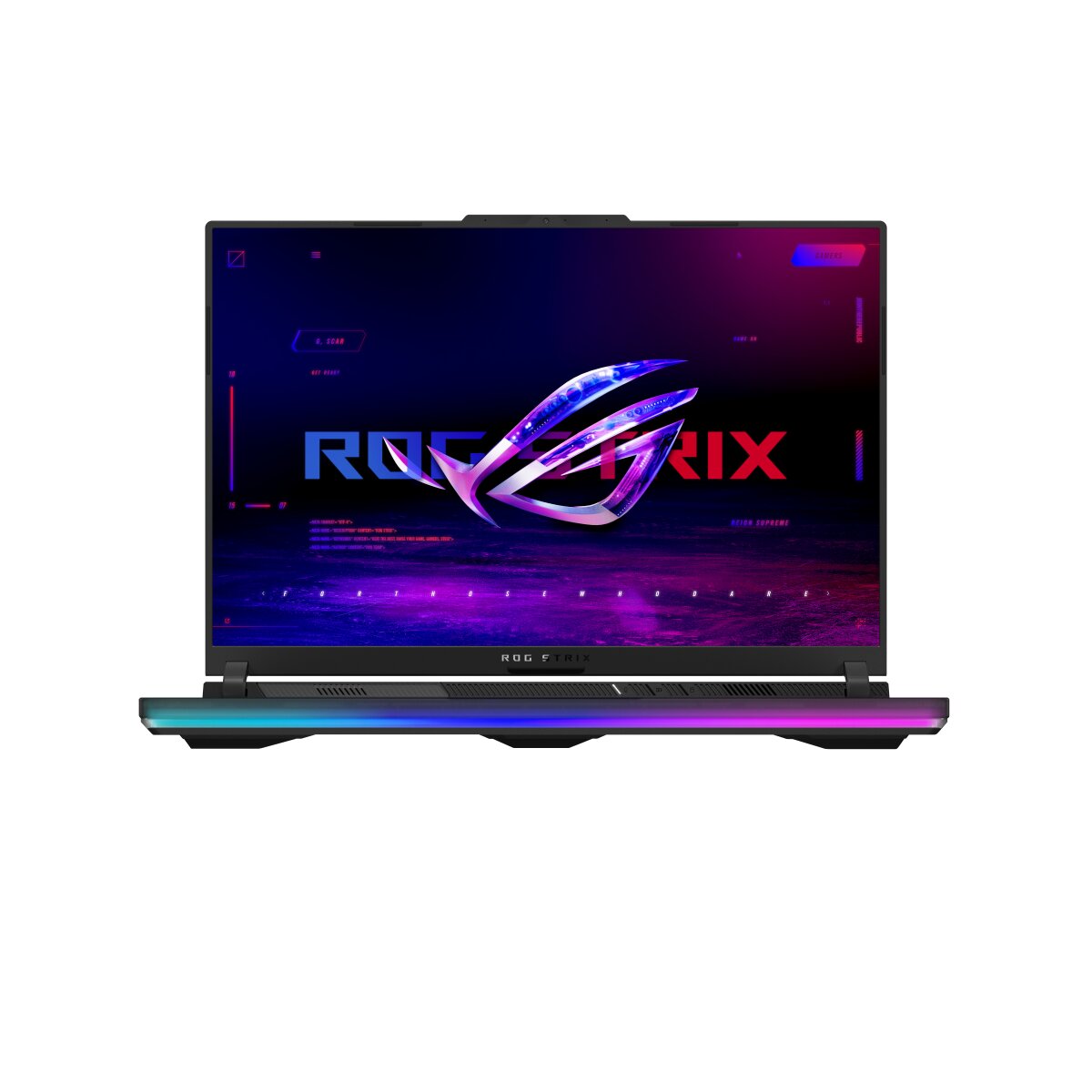
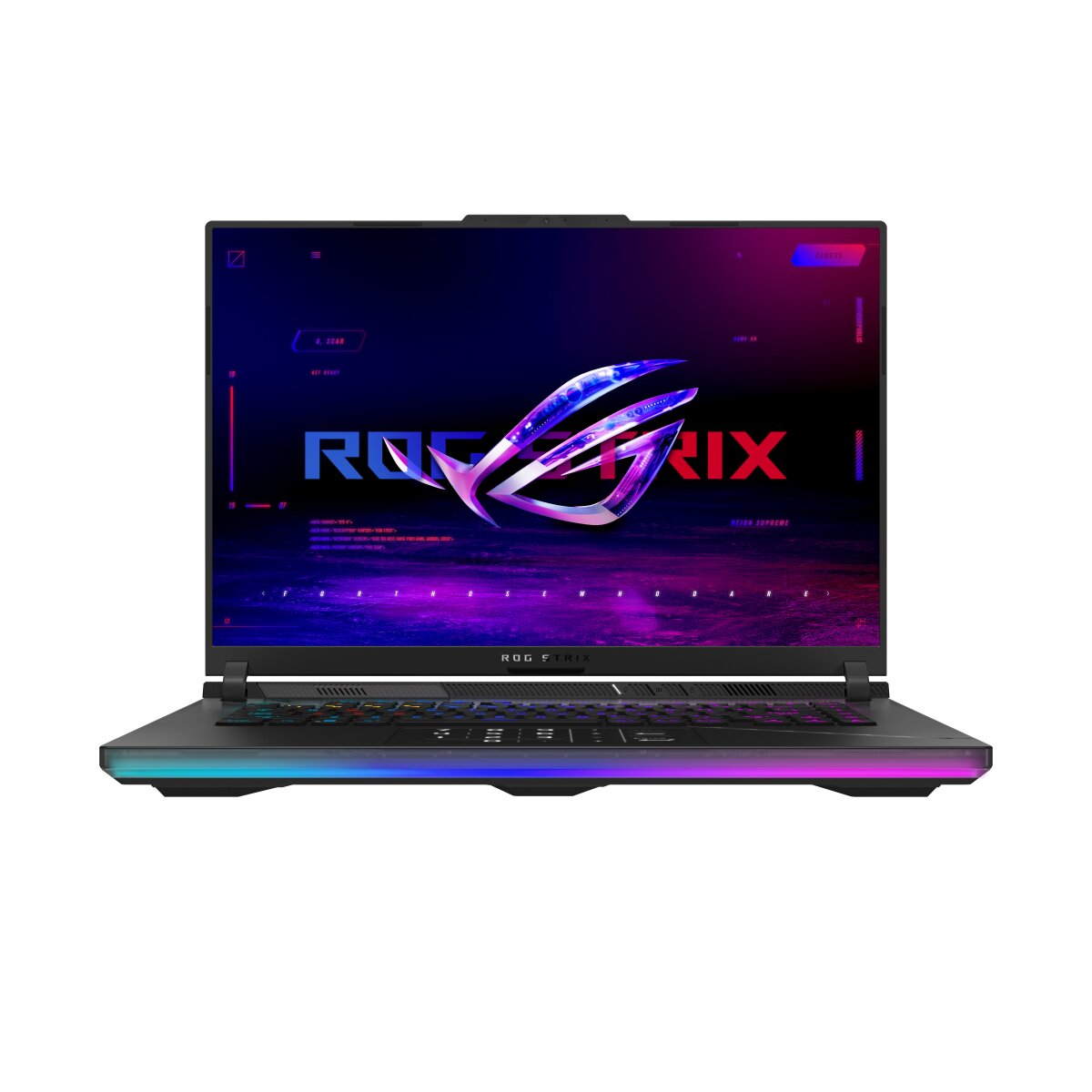

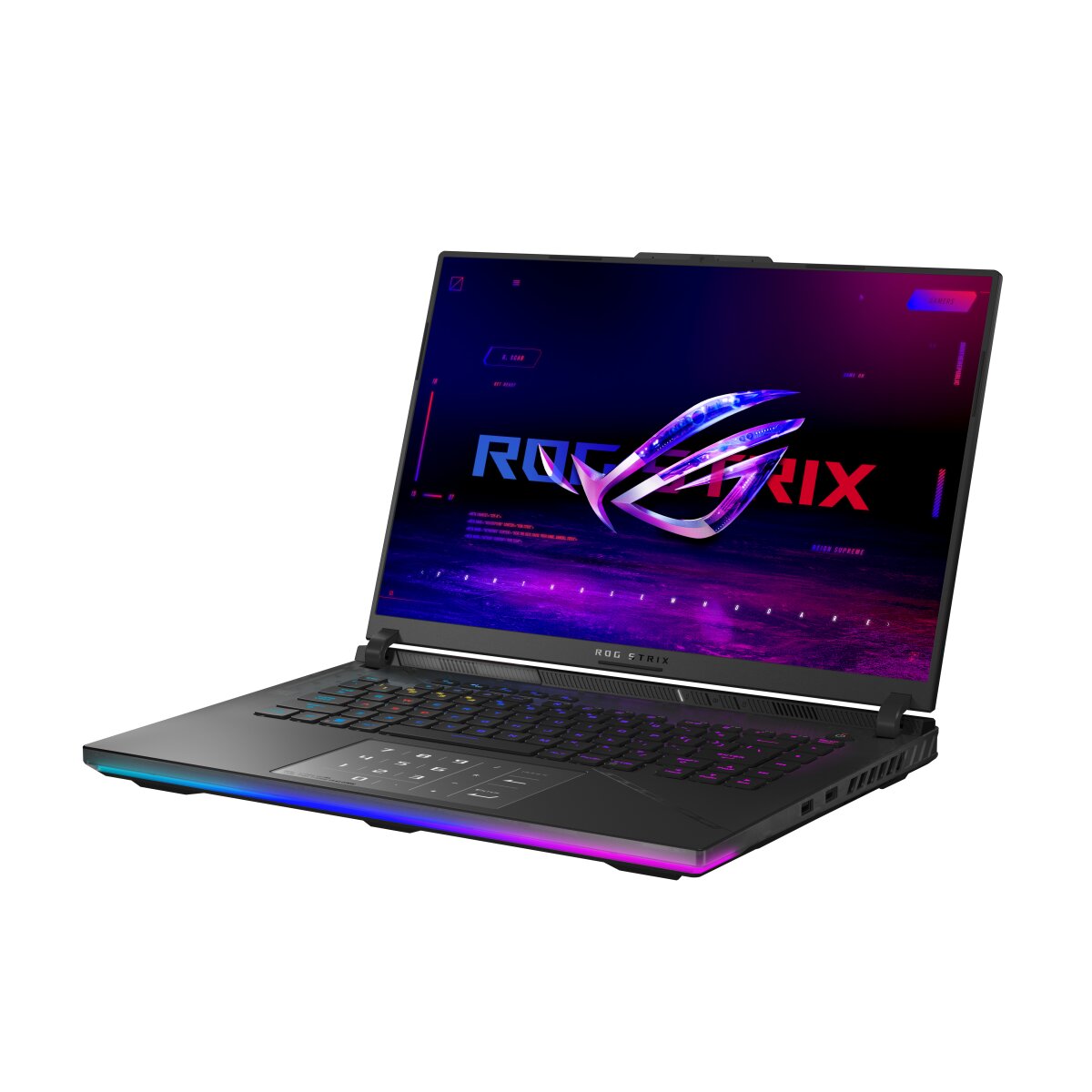
ASUS ROG Strix SCAR 16 model G634JZR-RA034W features DDR5-SDRAM memory upgrade specifications. The laptop contains 2x SO-DIMM slots supporting maximum RAM capacity of 64 GB. Compatible memory modules operate at 5600 MHz frequency with SO-DIMM form factor. Users seeking to upgrade memory on ASUS ROG Strix SCAR 16 G634JZR-RA034W should reference DDR5 SO-DIMM specifications for slot compatibility and performance compatibility with existing system configurations.
Memory Upgrade Specifications
| Specification | Value |
|---|---|
| Memory slots | 2x SO-DIMM |
| Form factor | SO-DIMM |
| Memory type | DDR5-SDRAM |
| Frequency | 5600 MHz |
| Maximum RAM | 64 GB |
| Voltage | 1.1V |
| Number of pins | 262-pin |
| Interface | PC5 |
| PC Speed Rating | PC5-5600 (PC5-44800) |
| Bandwidth | 44.8 GB/s |
Additional Notes
- The DDR5-5600 specification indicates a theoretical maximum bandwidth of 44.8 GB/s per channel, though dual-channel operation would double this to 89.6 GB/s when both SO-DIMM slots are populated with matched modules.
- The ASUS ROG G634JZR-RA034W restricts module selection to SO-DIMM form factor only, as standard DIMM modules physically incompatible with the laptop's motherboard architecture.
- Achieving the 64 GB maximum capacity requires installation of 2x32 GB modules, as single 64 GB SO-DIMM modules do not currently exist in the DDR5 consumer market.
- DDR5 modules operating below 5600 MHz will function but clock down to their rated speed, reducing available memory bandwidth proportionally to the frequency difference.
- Modules rated above 5600 MHz may not achieve their advertised speeds if the system's memory controller lacks support for higher JEDEC or XMP profiles beyond this specification.
- Mixing modules with different capacities or speeds across the 2 slots will force the system to operate in either single-channel mode or at the speed of the slowest module, creating performance asymmetry.
- The SO-DIMM slot accessibility depends on the chassis bottom panel design, which may require full disassembly rather than simple access door removal for module installation.
- DDR5's on-module voltage regulation differs fundamentally from DDR4, meaning DDR4 SO-DIMM modules are electrically and physically incompatible despite similar physical dimensions.
- Operating voltage for DDR5-5600 defaults to 1.1V, providing lower power consumption than DDR4 equivalents while generating less heat during sustained memory operations.
- Warranty preservation typically requires avoiding BIOS modifications or non-standard overclocking profiles, limiting practical memory configuration to JEDEC-standard DDR5-5600 specifications.
- The 2-slot configuration eliminates future expansion flexibility beyond 64 GB, as reaching higher capacities would require complete module replacement rather than incremental additions.
- DDR5's improved error correction through on-die ECC operates transparently but does not substitute for registered ECC memory required by server-grade applications.