ASUS ROG G635LW-RW011W RAM upgrade specifications


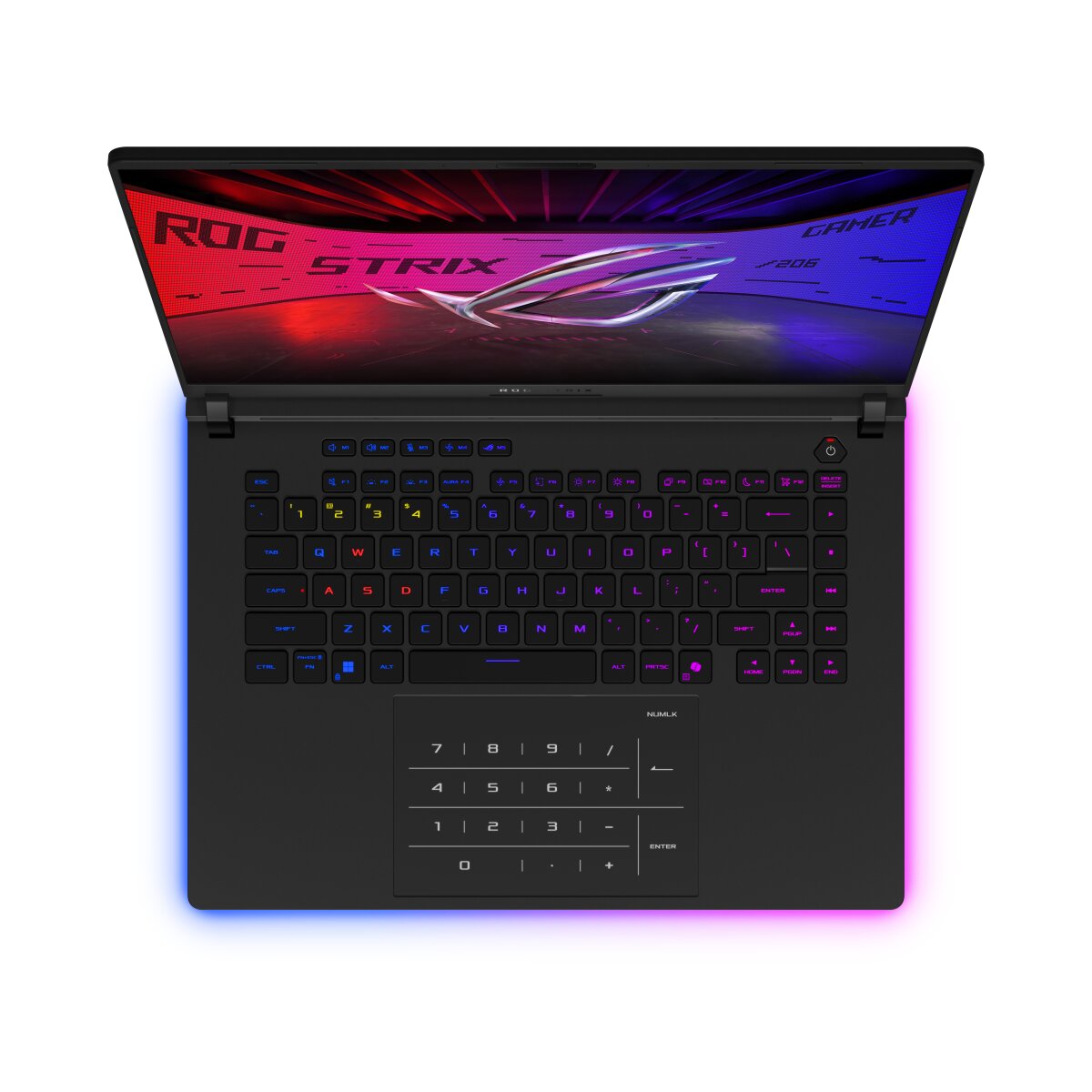
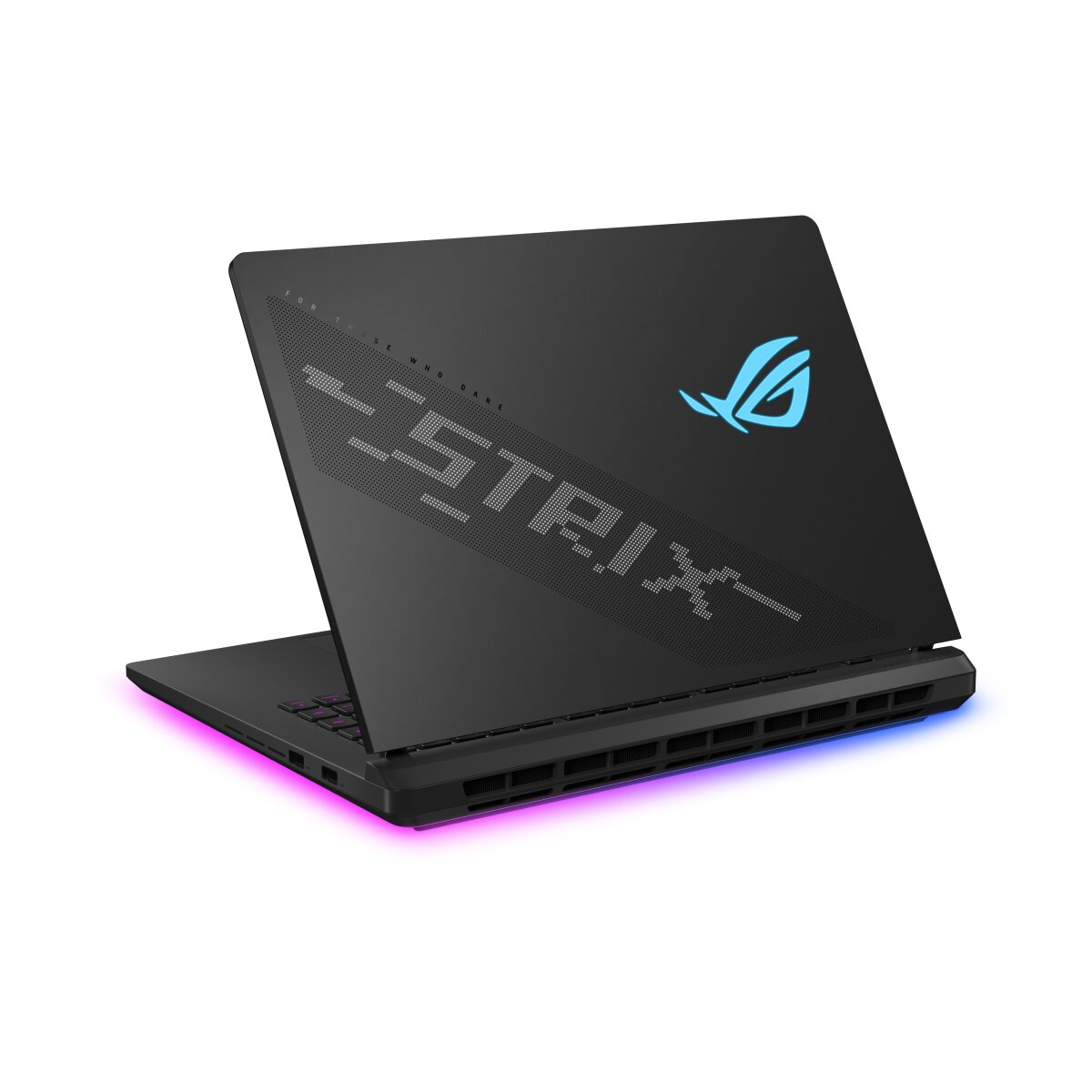
ASUS ROG Strix SCAR 16 G635LW-RW011W laptop specifications indicate DDR5-SDRAM memory upgrade capacity of 64 GB maximum. The device features two SO-DIMM slots compatible with DDR5 memory modules operating at 5600 MHz frequency. Existing memory can be upgraded to accommodate increased RAM capacity through standard SO-DIMM form factor components. Specifications confirm maximum memory configuration supports 64 GB total capacity across available upgrade slots.
Memory Upgrade Specifications
| Specification | Value |
|---|---|
| Memory slots | 2x SO-DIMM |
| Form factor | SO-DIMM |
| Memory type | DDR5-SDRAM |
| Frequency | 5600 MHz |
| Maximum RAM | 64 GB |
| Voltage | 1.1V |
| Number of pins | 262-pin |
| Interface | PC5 |
| PC Speed Rating | PC5-5600 (PC5-44800) |
| Bandwidth | 44.8 GB/s |
Additional Notes
- The ASUS ROG G635LW-RW011W accommodates DDR5 memory exclusively, rendering DDR4 modules incompatible regardless of physical appearance similarity.
- A 2-slot SO-DIMM configuration with 64 GB capacity ceiling requires matched pairs for dual-channel operation; asymmetrical configurations (e.g., 16 GB + 32 GB) result in single-channel bandwidth degradation on one module.
- The 5600 MHz specification establishes the native supported frequency; higher-speed DDR5 modules (5800 MHz, 6000 MHz) operate at reduced specifications unless BIOS overclocking is enabled, introducing warranty considerations.
- SO-DIMM physical constraints restrict upgrade options to laptop-specific memory; desktop DDR5 UDIMM variants cannot be adapted mechanically or electrically.
- Populated slot identification is critical before purchase; installing 2x 32 GB modules completely occupies all memory slots, preventing future expansion beyond 64 GB without full module replacement.
- Existing memory retention during upgrades may conflict with warranty coverage depending on manufacturer policy; mixed-generation or mixed-brand DDR5 modules can trigger stability issues and complicate troubleshooting under warranty claim scenarios.
- The memory interface bandwidth potential (approximately 179 GB/s theoretical) depends on both CPU memory controller capability and chipset configuration; performance gains from RAM upgrades scale differently across workloads, with CPU-bound tasks showing minimal improvement versus memory-intensive applications.