ASUS ROG G635LW-RW041W RAM upgrade specifications

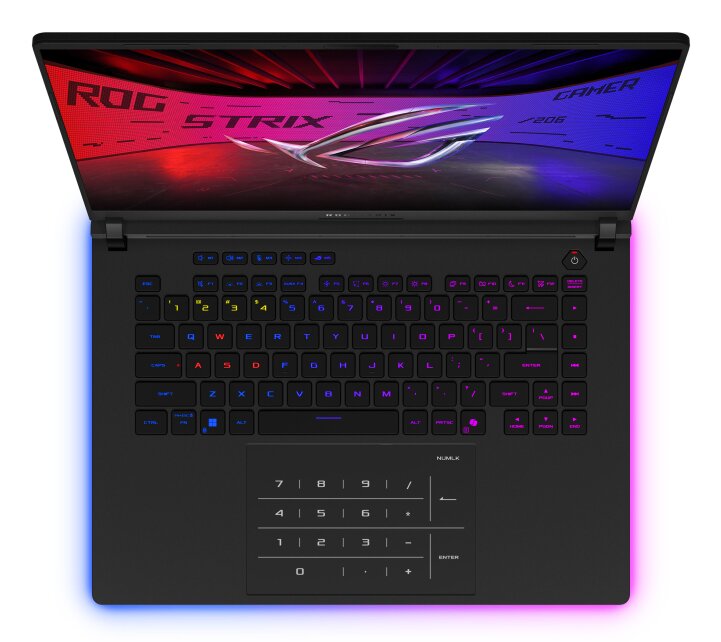


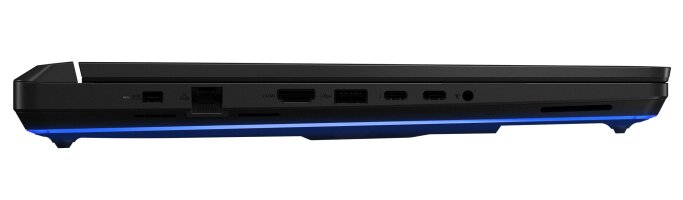
ASUS ROG Strix SCAR 16 model G635LW-RW041W supports DDR5-SDRAM memory upgrades through two SO-DIMM slots. The laptop specifications indicate maximum RAM capacity of 64 GB, compatible with DDR5-5600 MHz modules. Current memory configuration and available upgrade options depend on factory default allocation across the two SO-DIMM slots. Replacement or expansion modules must meet DDR5 SO-DIMM form factor and 5600 MHz frequency specifications for proper system compatibility.
Memory Upgrade Specifications
| Specification | Value |
|---|---|
| Memory slots | 2x SO-DIMM |
| Form factor | SO-DIMM |
| Memory type | DDR5-SDRAM |
| Frequency | 5600 MHz |
| Maximum RAM | 64 GB |
| Voltage | 1.1V |
| Number of pins | 262-pin |
| Interface | PC5 |
| PC Speed Rating | PC5-5600 (PC5-44800) |
| Bandwidth | 44.8 GB/s |
Additional Notes
- The ASUS ROG G635LW-RW041W uses laptop-grade SO-DIMM sockets rather than desktop UDIMM slots, restricting upgrade options to mobile-specific memory modules and preventing installation of standard desktop RAM.
- DDR5-5600 MHz memory operates at a higher bandwidth ceiling than DDR4 alternatives, but actual performance gains depend on workload type; memory-intensive applications benefit more substantially than CPU-bound tasks.
- Dual SO-DIMM architecture means both slots must be populated to achieve maximum 64 GB capacity; single-module upgrades result in either 32 GB total (one slot filled) or asymmetric configurations that may trigger BIOS warnings or reduced performance.
- Upgrading from factory configuration requires matching DDR5 specification precisely; incompatible frequency or latency ratings risk system instability, boot failures, or automatic downclocking to lower speeds, negating upgrade benefits.
- SO-DIMM memory modules are more expensive per gigabyte than desktop equivalents due to mobile market constraints and lower production volume, increasing upgrade costs relative to desktop counterparts.
- Heat dissipation in confined laptop chassis means high-frequency DDR5 modules with active heatspreaders may contact internal components or obstruct slot access during installation; passive or low-profile designs are safer choices.
- BIOS firmware updates may be necessary to recognize new memory capacity beyond factory specifications; without proper BIOS recognition, the system will not detect or utilize modules exceeding original shipment parameters.