ASUS ROG G635LW-RW095W RAM upgrade specifications




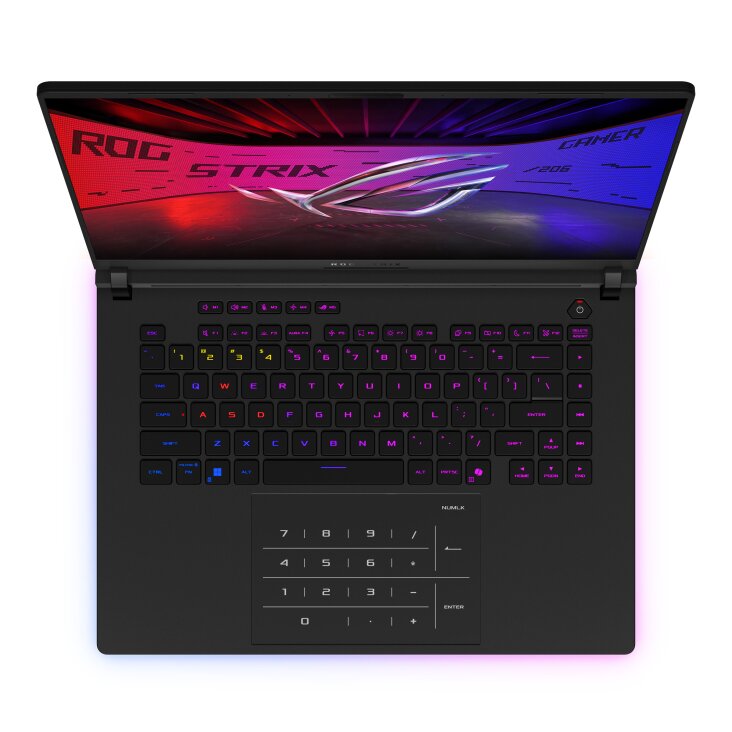
ASUS ROG Strix SCAR 16 model G635LW-RW095W supports DDR5-SDRAM memory upgrades with two SO-DIMM slots. Maximum RAM capacity reaches 64 GB total, with compatible modules operating at 5600 MHz frequency. Upgrade specifications utilize SO-DIMM form factor modules, enabling users to expand memory configuration for enhanced system performance on the gaming laptop platform.
Memory Upgrade Specifications
| Specification | Value |
|---|---|
| Memory slots | 2x SO-DIMM |
| Form factor | SO-DIMM |
| Memory type | DDR5-SDRAM |
| Frequency | 5600 MHz |
| Maximum RAM | 64 GB |
| Voltage | 1.1V |
| Number of pins | 262-pin |
| Interface | PC5 |
| PC Speed Rating | PC5-5600 (PC5-44800) |
| Bandwidth | 44.8 GB/s |
Additional Notes
- The ASUS ROG G635LW-RW095W employs DDR5 modules, which operate at a baseline voltage of 1.1V compared to DDR4's 1.2V, reducing thermal output during sustained loads but requiring motherboard chipset compatibility verification before attempting cross-generation upgrades.
- SO-DIMM slots in this configuration support dual-channel architecture, meaning unmatched module capacities or frequency ratings will force the memory controller to operate at the lowest common denominator, potentially underutilizing faster modules.
- The 5600 MHz specification represents JEDEC standard speed rather than overclocked XMP profiles, ensuring stability without BIOS modifications but leaving performance headroom if the chipset supports higher frequency multipliers.
- Reaching the 64 GB ceiling requires 2x32 GB modules using dual-rank architecture, which increases command/address bus load compared to single-rank configurations and may introduce minor latency penalties in applications sensitive to memory timings.
- DDR5's on-die ECC (Error Correction Code) operates independently of system-level ECC support, providing single-bit error correction transparently but not protecting against multi-bit failures that would require registered modules unavailable in SO-DIMM form factor.
- The physical SO-DIMM standard measures 67.6mm in length with a 260-pin interface, incompatible with desktop DIMM slots and requiring laptop-specific modules that typically command price premiums over equivalent desktop components.
- Installing mismatched CAS latency ratings between slots will synchronize both modules to the higher latency value, negating any potential performance benefit from a lower-latency module in mixed configurations.
- DDR5-5600 operates with a prefetch buffer of 16n compared to DDR4's 8n architecture, delivering higher burst lengths that benefit sequential access patterns in video editing and rendering workflows more than random access database operations.
- Warranty preservation requires using JEDEC-compliant modules rather than overclocked variants, as non-standard voltage or timing profiles may void coverage if system instability or hardware damage occurs during operation.
- The 2-slot limitation prevents future capacity expansion beyond 64 GB without replacing existing modules entirely, making initial capacity planning critical for workflows anticipating dataset growth over the device lifespan.