ASUS ROG G733CX-LL014 RAM upgrade specifications

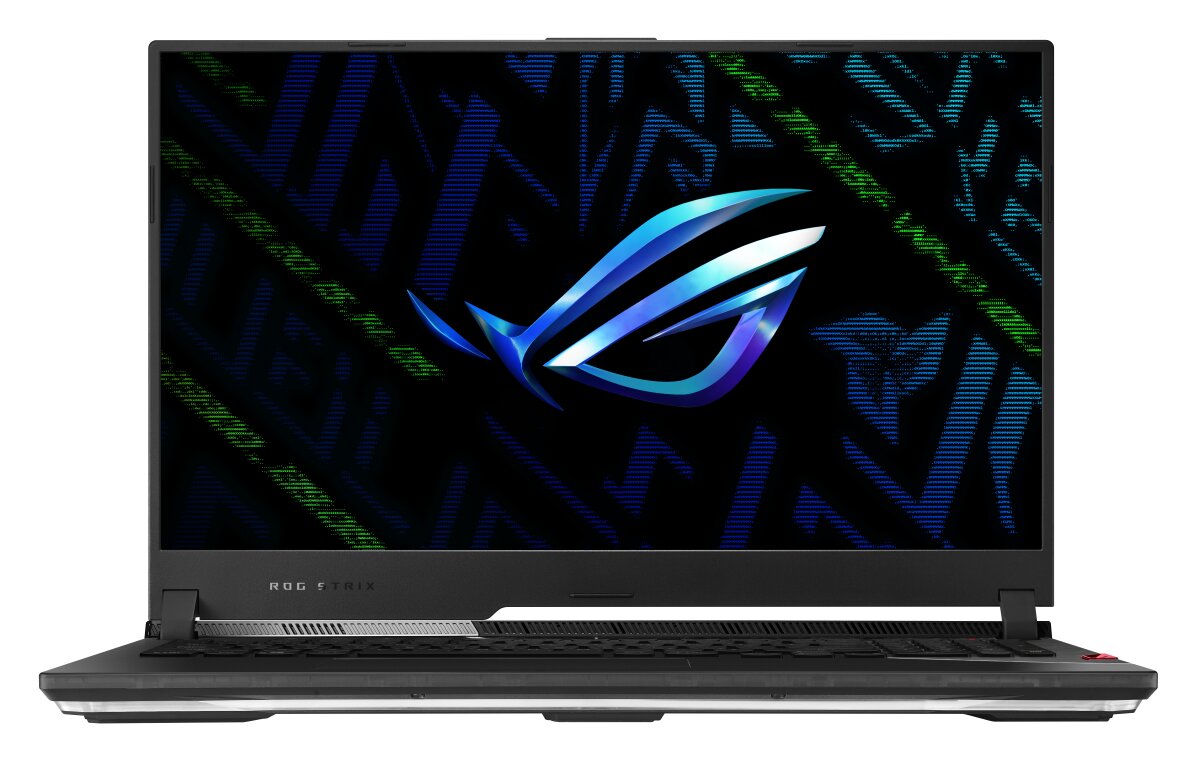



ASUS ROG Strix SCAR 17 SE model G733CX-LL014 supports DDR5-SDRAM memory upgrades through two SO-DIMM slots. The laptop specifications indicate a maximum RAM capacity of 64 GB total, with compatible memory modules operating at 4800 MHz frequency. Users seeking to upgrade the memory on this gaming laptop model should utilize SO-DIMM form factor DDR5 modules meeting these specifications for proper compatibility and performance.
Memory Upgrade Specifications
| Specification | Value |
|---|---|
| Memory slots | 2x SO-DIMM |
| Form factor | SO-DIMM |
| Memory type | DDR5-SDRAM |
| Frequency | 4800 MHz |
| Maximum RAM | 64 GB |
| Voltage | 1.1V |
| Number of pins | 262-pin |
| Interface | PC5 |
| PC Speed Rating | PC5-4800 (PC5-38400) |
| Bandwidth | 38.4 GB/s |
| Laptop Release date | 28 September 2022 |
Additional Notes
- The ASUS ROG G733CX-LL014 contains 2 SO-DIMM slots, meaning only 1 existing module can be retained during upgrade; the second slot must either accommodate a matching module or remain empty to avoid performance degradation from asymmetrical dual-channel configuration.
- DDR5-4800 MHz memory operates at JEDEC standard specifications, but third-party DDR5 modules rated above 4800 MHz will downclock to native 4800 MHz unless BIOS XMP/DOCP profiles override this setting; upgrading to faster bins provides no performance benefit without firmware-level intervention.
- The 64 GB maximum capacity ceiling means mixed-capacity installations (such as 32 GB + 16 GB) leave 16 GB of potential expansion unrealized; populating both slots with identical 32 GB modules represents the only path to maximum addressable memory.
- SO-DIMM form factor requires laptop-specific modules rather than desktop DDR5 counterparts; incompatible module height or pin configuration will prevent physical insertion, and force-fitting risks permanent socket damage.
- Upgrading from the factory configuration to 64 GB total involves purchasing matched SO-DIMM pairs; single-module purchases or mismatched speeds risk introducing latency asymmetries that can reduce effective bandwidth utilization in memory-intensive workloads.
- DDR5-SDRAM operates at higher signal voltages than DDR4 legacy systems; any warranty claim related to memory modifications may require documentation proving the use of OEM-approved or vendor-compatible modules to maintain coverage validity.