ASUS ROG G733CW-LL003W RAM upgrade specifications
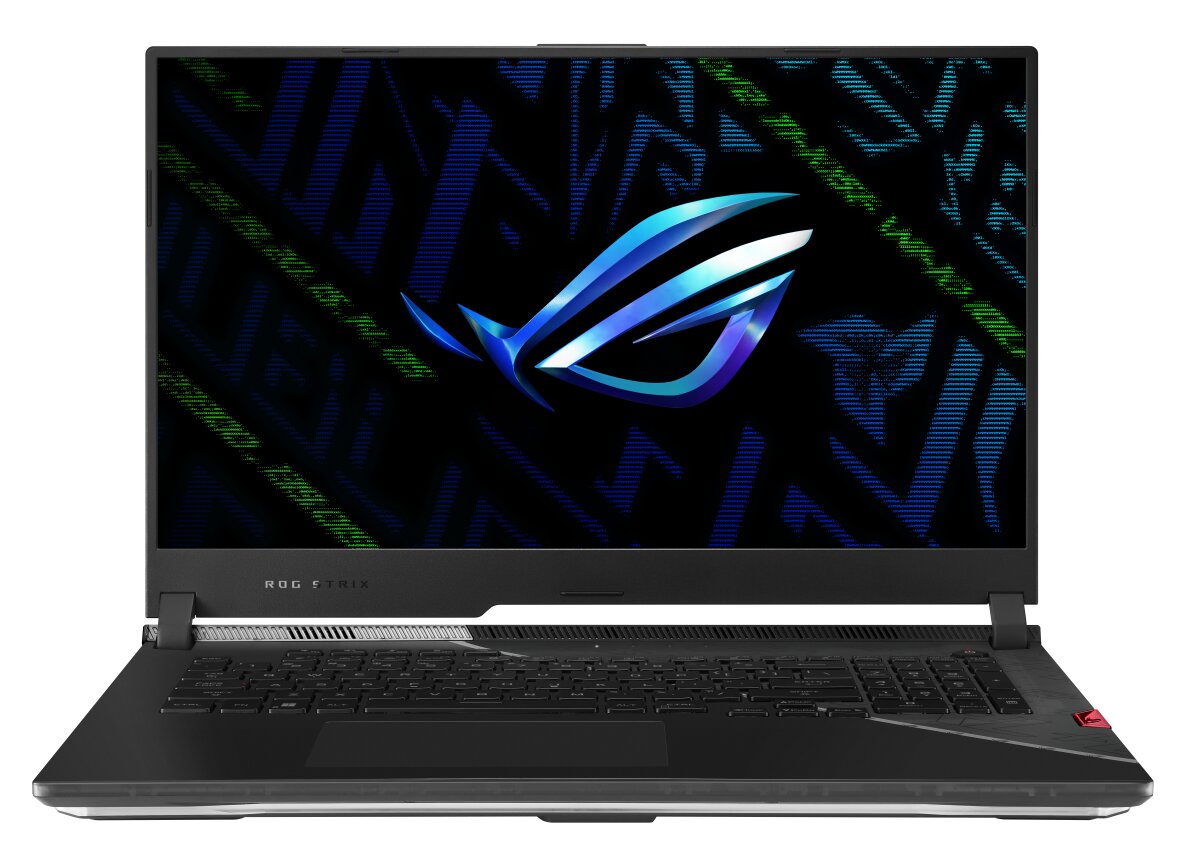


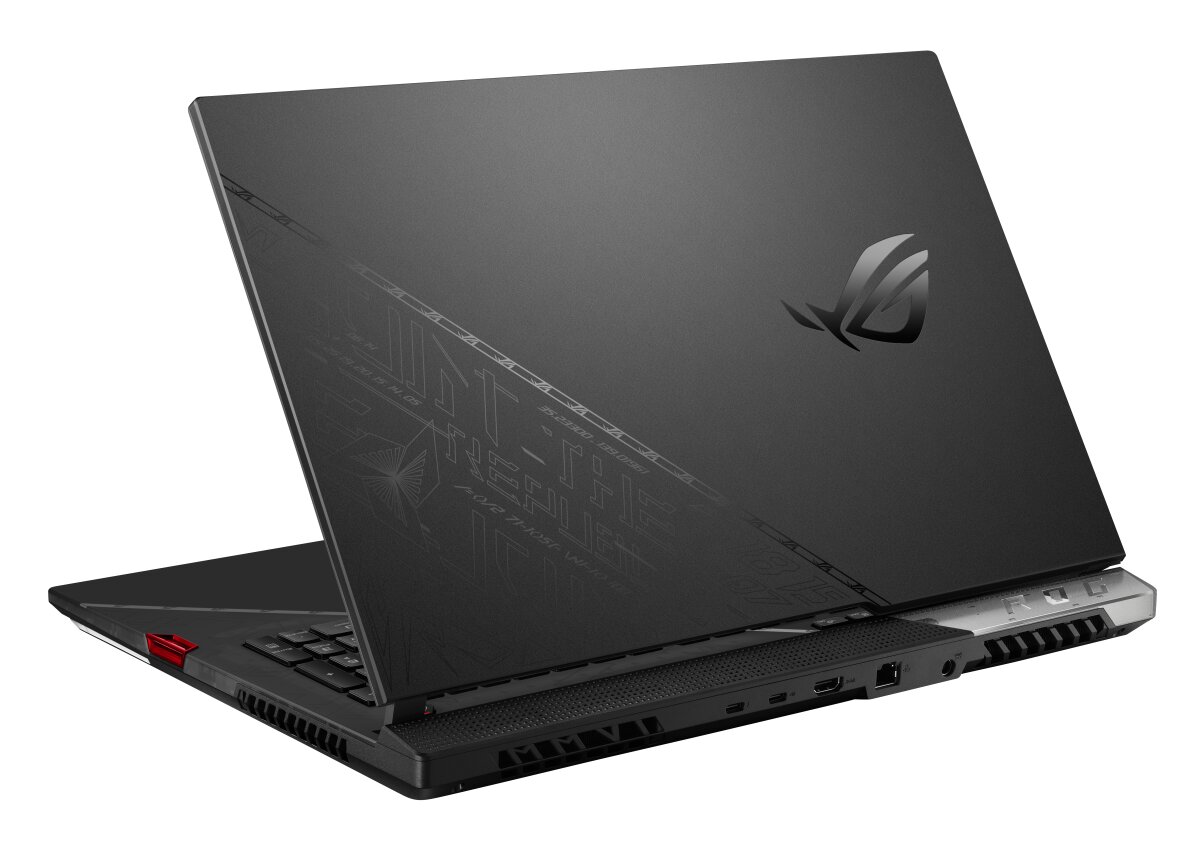
The ASUS ROG Strix SCAR 17 SE G733CW-LL003W features DDR5-SDRAM memory specifications supporting upgrade configurations. The laptop contains 2x SO-DIMM slots for memory expansion. Maximum compatible RAM capacity reaches 64 GB total. Memory operates at 4800 MHz frequency. SO-DIMM form factor modules are required for upgrade compatibility. Specifications indicate support for DDR5 technology, enabling enhanced performance and bandwidth for gaming and professional applications on the Strix SCAR 17 SE platform.
Memory Upgrade Specifications
| Specification | Value |
|---|---|
| Memory slots | 2x SO-DIMM |
| Form factor | SO-DIMM |
| Memory type | DDR5-SDRAM |
| Frequency | 4800 MHz |
| Maximum RAM | 64 GB |
| Voltage | 1.1V |
| Number of pins | 262-pin |
| Interface | PC5 |
| PC Speed Rating | PC5-4800 (PC5-38400) |
| Bandwidth | 38.4 GB/s |
| Laptop Release date | 16 April 2022 |
Additional Notes
- The ASUS ROG G733CW-LL003W uses DDR5 SO-DIMM modules, which are physically incompatible with DDR4 or earlier memory standards; any replacement or upgrade must specify DDR5 compatibility explicitly.
- Maximum addressable memory of 64 GB across 2 slots establishes a hard ceiling of 32 GB per module; single-module upgrades cannot exceed this density.
- The 4800 MHz frequency rating indicates the system validates memory at this speed under Intel XMP Profile 1 conditions; third-party modules not certified for this laptop may default to JEDEC 4400 MHz, reducing effective bandwidth by approximately 8 percent.
- SO-DIMM form factor requires the user to access internal chassis areas; most warranty coverage remains intact during memory installation if thermal pads are not disturbed and the system is powered off during the procedure.
- Dual-slot configuration means memory population imbalance (asymmetric capacity) triggers single-channel operation rather than dual-channel; matched pairs yield approximately 15-20 percent higher bandwidth for memory-bound workloads.
- DDR5 modules generate marginally higher heat than DDR4 equivalents due to higher operating voltage; adequate airflow across SODIMM slots prevents thermal throttling in sustained gaming sessions exceeding 3 hours.