ASUS ROG G733ZX-LL117W RAM upgrade specifications


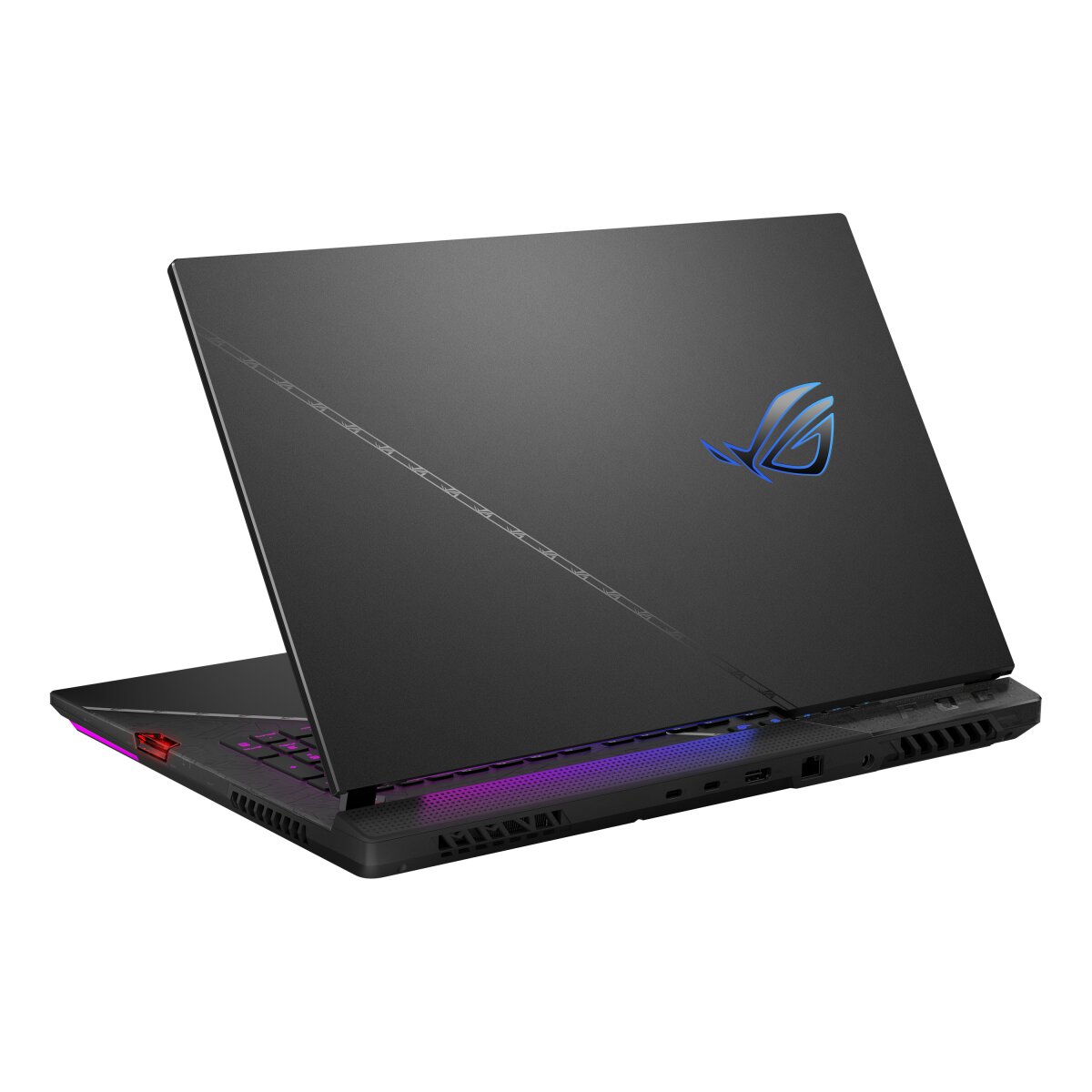
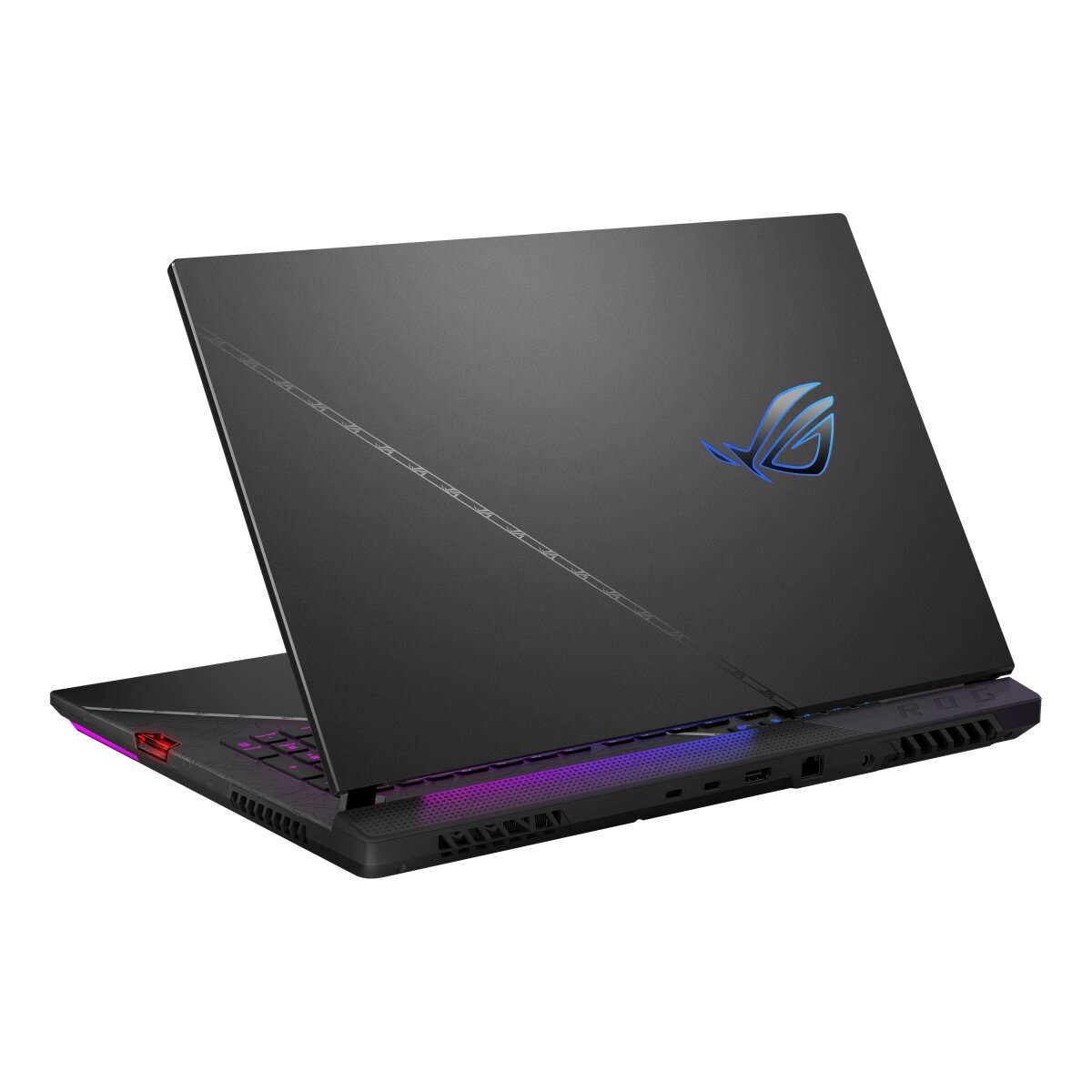
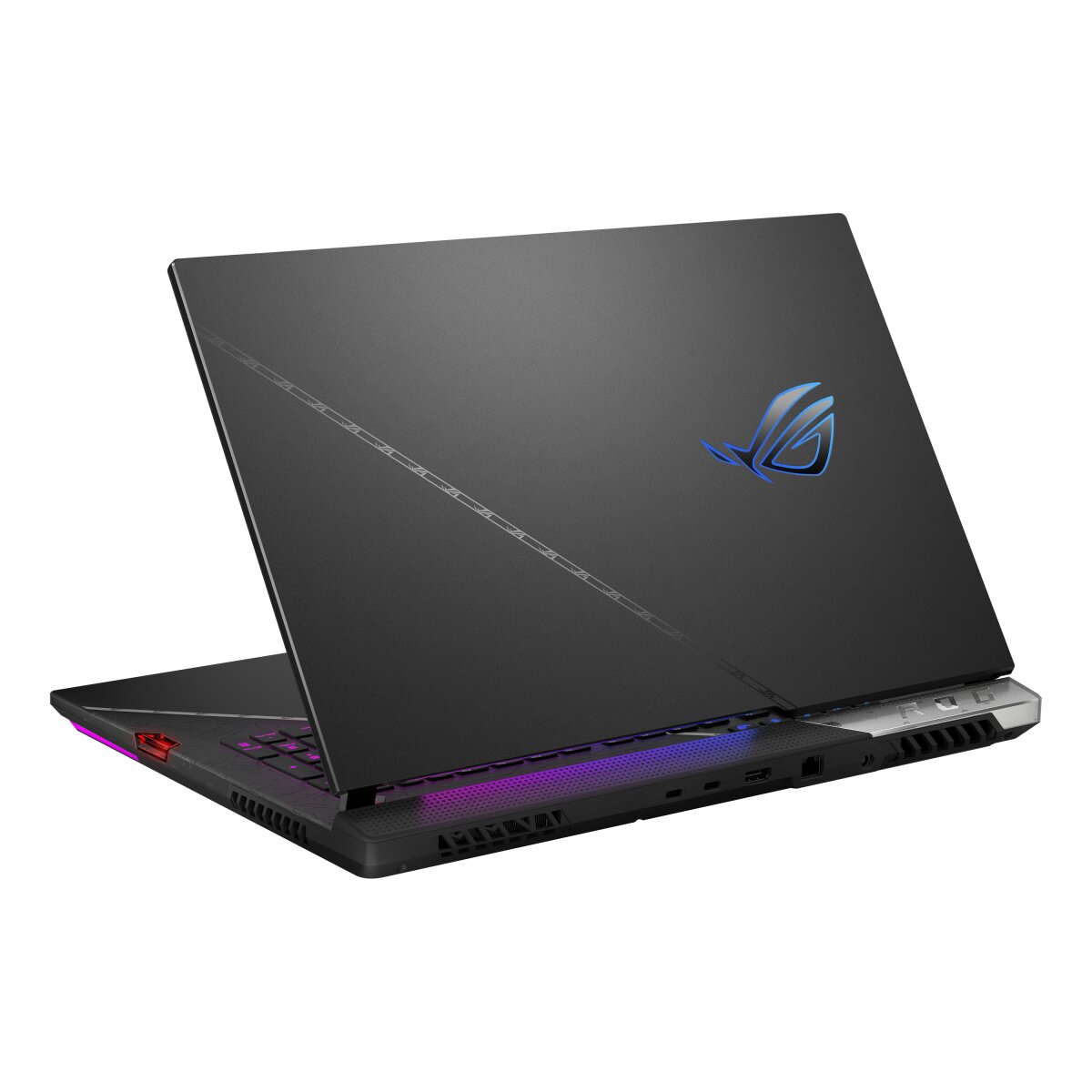
ASUS ROG Strix SCAR 17 G733ZX-LL117W laptop features DDR5-SDRAM memory upgrade specifications. Two SO-DIMM slots accommodate compatible RAM modules, supporting maximum capacity of 64 GB total memory. Memory operates at 4800 MHz frequency. Upgrade options utilize standard SO-DIMM form factor for this gaming laptop model. Specifications enable configuration of dual-channel memory architecture for enhanced performance in the Strix SCAR 17 series.
Memory Upgrade Specifications
| Specification | Value |
|---|---|
| Memory slots | 2x SO-DIMM |
| Form factor | SO-DIMM |
| Memory type | DDR5-SDRAM |
| Frequency | 4800 MHz |
| Maximum RAM | 64 GB |
| Voltage | 1.1V |
| Number of pins | 262-pin |
| Interface | PC5 |
| PC Speed Rating | PC5-4800 (PC5-38400) |
| Bandwidth | 38.4 GB/s |
| Laptop Release date | 22 October 2022 |
Additional Notes
- The ASUS ROG G733ZX-LL117W architecture limits capacity to 32 GB per slot, requiring matched pairs for optimal dual-channel operation.
- DDR5-SDRAM modules operating above 4800 MHz will downclock to match the controller's native frequency, negating performance gains from higher-speed kits.
- SO-DIMM form factor modules measure 67.6 mm in length compared to standard DIMM at 133.35 mm, preventing desktop memory cross-compatibility.
- Voltage compatibility requires 1.1V DDR5 modules rather than 1.2V or 1.35V specifications from DDR4 generations.
- Single-sided PCB modules may improve thermal headroom in confined laptop chassis compared to dual-sided configurations with higher component density.
- Mixing modules with different CAS latencies forces both to operate at the slower timing profile, potentially degrading bandwidth below theoretical 38.4 GB/s per channel.
- Non-ECC unbuffered modules maintain compatibility while registered or load-reduced variants designed for server platforms will fail POST initialization.
- JEDEC-compliant modules ensure baseline compatibility, though XMP 3.0 profiles require BIOS support to enable advertised speeds beyond standard 4800 MHz.
- Thermal sensors integrated into DDR5 architecture enable throttling protection unavailable in DDR4, affecting sustained workload performance under inadequate cooling.
- Warranty preservation typically permits user-accessible memory upgrades without seal breakage, unlike soldered configurations requiring authorized service intervention.